


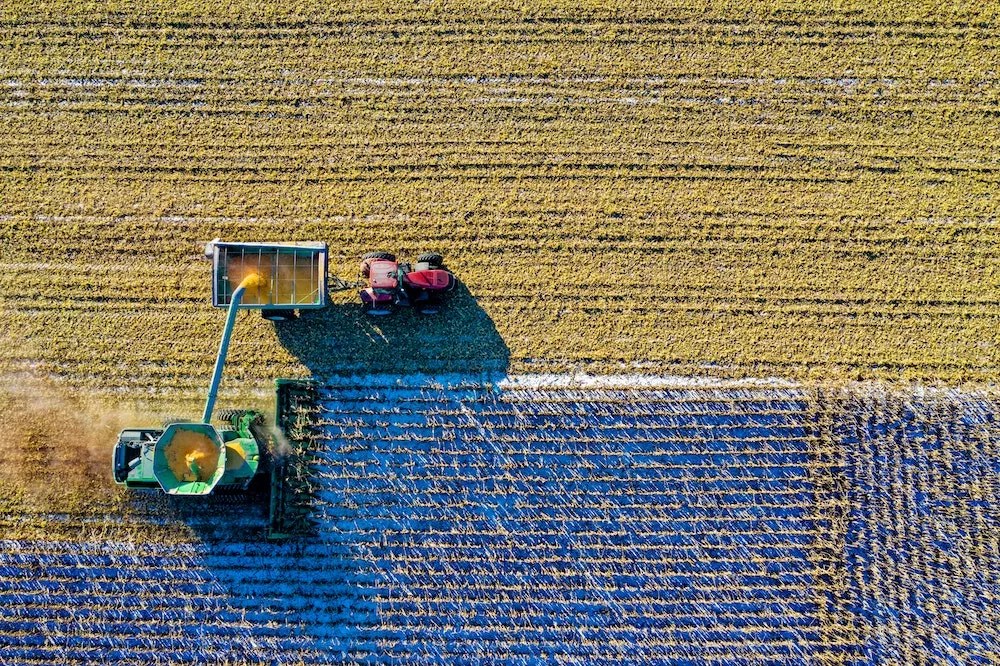
At the heart of that loss lies soybeans—often called the “gold of Ohio’s fields.” Once a cornerstone of the state’s agricultural exports, soybean shipments to China have plummeted by **85%** compared to pre-tariff levels. For many farmers who built their livelihoods on trade with one of the world’s largest food importers, the numbers translate to more than just balance-sheet damage; they spell existential uncertainty.

“We planted, but no one was buying”
In Marion County, fourth-generation farmer Tom Keller surveys his half-empty grain bins. “We planted the same acreage we always do,” he said, leaning against his combine. “But with China stepping back, our buyers dried up overnight. We can’t store it forever, and local prices have tanked.”

Before the trade war, about one in three rows of soybeans grown in Ohio was destined for Chinese markets. Now, producers are scrambling to find new buyers in Europe and South America, where demand is promising but not nearly enough to replace the lost volume. Export data from the U.S. Department of Agriculture confirms a statewide drop in soybean revenues exceeding $200 million over the past two years.
Ripple effects across the economy

The fallout extends beyond farm gates. Rural co-ops, equipment suppliers, and transport companies that depend on the agriculture supply chain are all under financial pressure. Ohio State University agricultural economist Dr. Linda Huang explained, “Tariffs don’t just affect exporters; they distort an entire ecosystem. Lower commodity prices ripple through local economies, from fertilizer sales to rural banking.”
Some analysts note that federal farm aid payments helped soften the initial blow in previous years, but those subsidies have tapered off as federal spending priorities shifted. Without steady access to international markets, many small producers are forced to make hard choices—cutting acreage, taking on more debt, or leaving the business altogether.

Searching for new markets
In response, state officials have launched trade missions to India and Southeast Asia to diversify export destinations. However, experts caution that rebuilding trust and logistical connections in new markets takes time. “Trade relationships are like crops,” Dr. Huang said. “They take years to cultivate and a single season of tariffs to destroy.”
For farmers like Keller, the numbers behind the report confirm what he already knows firsthand: tariffs carry human costs. “You hear about politics and diplomacy on the news,” he said. “But out here, it’s our soil that pays the price.”