


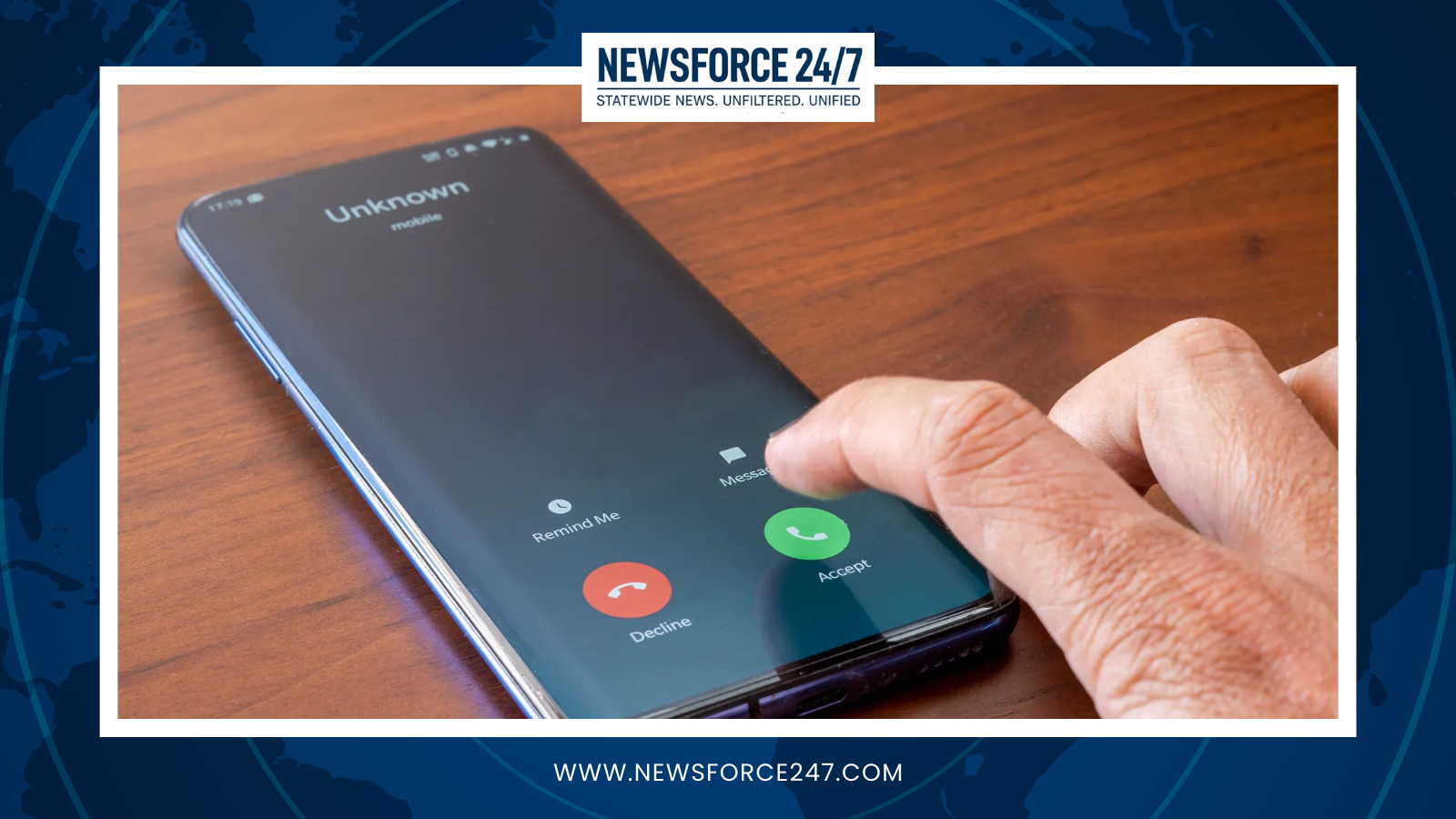

A recent analysis by SMS marketing platform Textla has crowned Ohio as the most harassed state in America for spam calls and unwanted texts, based on 2024 Federal Trade Commission (FTC) and Federal Communications Commission (FCC) complaint data. The Buckeye State recorded 859 complaints per 100,000 residents—the highest rate nationwide—highlighting residents’ frustration with relentless robocalls and scam messages.
Study Details and Methodology
Textla examined over 2 million complaints filed with the FTC and FCC throughout 2024, calculating rates using 2024 U.S. Census population data. Ohio logged 102,114 total complaints, far outpacing other states on a per capita basis. Common scams targeted Buckeye residents included fake IRS threats, health insurance offers, unpaid tolls, and too-good-to-be-true deals.
The study notes that as of September 30, 2024, the National Do Not Call Registry had 254 million active registrations, yet spam persists nationwide. High complaint volumes in Ohio may reflect both aggressive scammer targeting and vigilant reporting by residents.

National Rankings
Ohio leads a list of heavily targeted states, with the top 10 showing elevated per capita complaints:

| Rank | State | Complaints per 100,000 | Common Scams |
|---|---|---|---|
| 1 | Ohio | 859 | IRS, health insurance, tolls |
| 2 | Delaware | 850 | Banks, government agencies |
| 3 | Illinois | 831 | Various robocalls |
| 4 | Arizona | 781 | Medicare |
| 5 | Virginia | 764 | Debt collectors, utilities |
| 5 | Nebraska | 764 | Tax scams, assistance programs |
| 7 | North Carolina | 750 | IRS, toll fees |
| 8 | California | 749 | Credit debt, Social Security |
| 9 | New Hampshire | 721 | Medicare |
| 10 | Colorado | 719 | Tax/debt offers |
Reasons Behind Ohio’s Ranking
Researchers attribute Ohio’s top spot to large population centers like Columbus and Cleveland, state tax regulations, and scammers zeroing in on demographics such as seniors. The surge in AI-powered scams has amplified the issue, making fraud more sophisticated and harder to detect.
Urban areas and higher reporting rates likely contribute, as Ohioans actively flag nuisances to authorities. A Textla spokesperson quipped, “If there were an award for suffering through spam, Ohio would take home the gold.”

Protection Tips and Official Advice
To fight back, Textla and the FTC urge registering on the Do Not Call list, installing call-blocking apps, avoiding engagement with suspects, and reporting to agencies. The FTC advises quick action if scammed—contact payment providers immediately for potential refunds.

For smishing texts, the FBI recommends not clicking links and forwarding to 7726 (SPAM). Despite over 250 million DNC registrations, enforcement challenges persist amid evolving tech. Ohio residents, voicing daily exasperation, echo the need for stronger federal crackdowns.