


The three Ohio projects

Meta’s nuclear push in Ohio centers on three distinct projects meant to secure dedicated, carbon‑free electricity for its Prometheus AI supercluster and other data centers around the region.
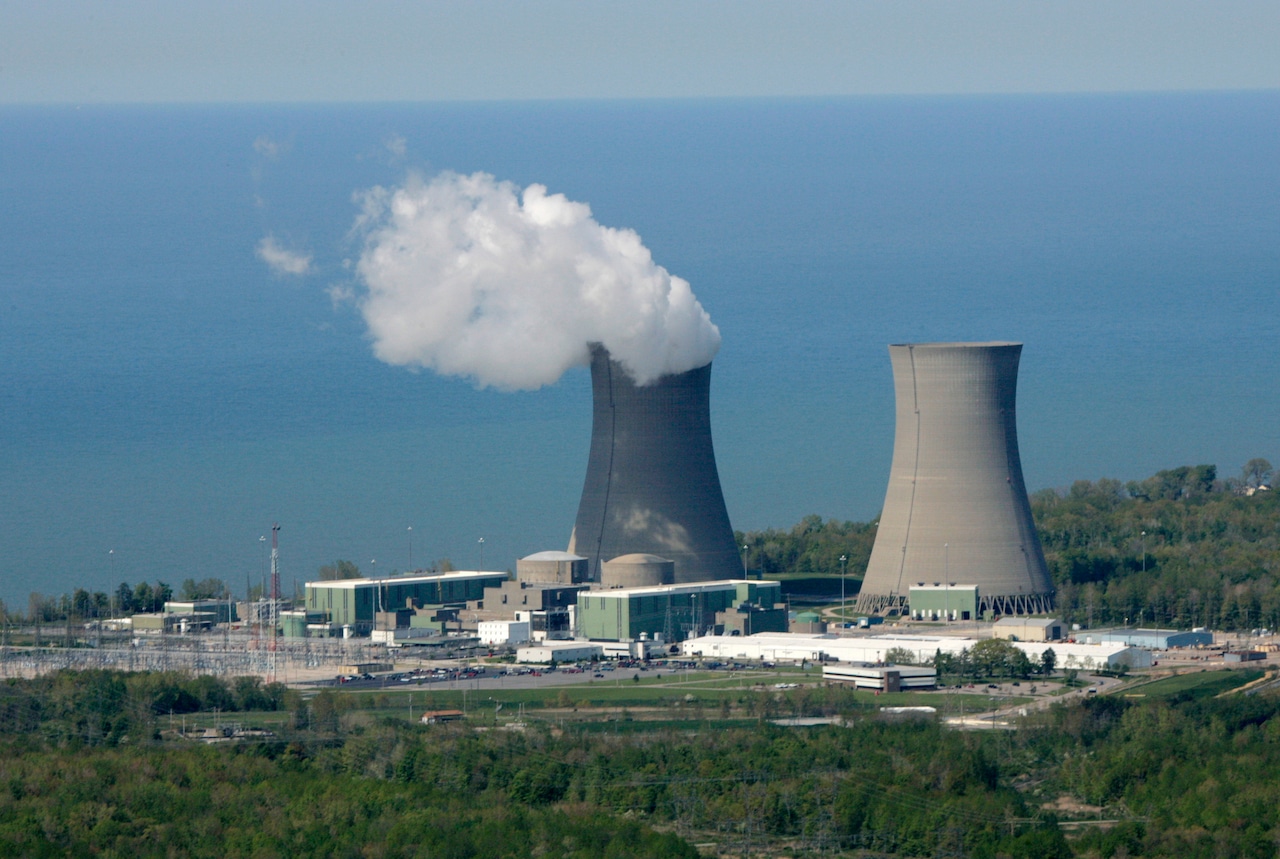
– Meta has signed long‑term agreements with Vistra Corp. to buy power from the existing Perry and Davis‑Besse nuclear plants in northern Ohio, alongside support for capacity upgrades at those sites.
– In southern Ohio, Meta is backing a new advanced nuclear “campus” in Pike County being developed by Oklo, designed to deliver up to roughly 1.2 gigawatts of generating capacity as multiple small reactors are built out over time.

– A separate deal with TerraPower is structured around future advanced reactors that could come online in the 2030s, with Meta securing options on several projects that would also be able to serve its Ohio‑anchored data‑center footprint.
Powering data centers and AI

Meta’s Ohio nuclear strategy is tightly linked to Prometheus, a 1‑gigawatt AI supercluster now rising at the company’s data‑center campus in New Albany, just outside Columbus.
– The company says its combined nuclear agreements with Vistra, Oklo and TerraPower could unlock around 6.6 gigawatts of carbon‑free capacity in the U.S. by the mid‑2030s, more than enough to cover Prometheus and additional data‑center growth.

– Executives have framed firm nuclear power as a necessary complement to wind and solar, arguing that AI compute loads require round‑the‑clock reliability that intermittent renewables and batteries alone still struggle to provide at this scale.
Economic stakes for Ohio
State officials and local economic‑development leaders see Meta’s nuclear deals as confirmation that Ohio’s emerging data‑center corridor will continue to expand — and that energy supply will be a deciding factor.
– The company and its partners project thousands of construction jobs across the life of the Vistra upgrades and the Pike County build‑out, with hundreds of long‑term positions tied to operations, maintenance and support services.
– By underwriting both life‑extension work at existing reactors and new advanced designs, Meta’s commitments are expected to keep nuclear facilities in northern Ohio running longer while repurposing a former uranium enrichment site in the south into a new clean‑energy hub.
A shift in corporate energy strategy
Meta’s Ohio announcement marks one of the clearest signals yet that large tech companies are willing to directly back nuclear projects, not just buy renewable power from the grid.
– Few corporate buyers have previously committed to nuclear at this scale, and analysts say Meta’s move could set a template for other hyperscale cloud and AI operators hunting for firm, low‑carbon electricity in a tight power market.
– The agreements also deepen the overlap between Silicon Valley and next‑generation nuclear startups, with Meta effectively becoming both anchor customer and political ally for projects that will face long permitting, financing and community‑engagement challenges before they deliver power.
Local concerns and unanswered questions
While many Ohio officials have welcomed the jobs and reinvestment, Meta’s nuclear turn also raises familiar questions about safety, waste and who benefits most from dedicating so much baseload power to private data‑center loads.
– Supporters argue that the projects will strengthen the regional grid by adding or preserving carbon‑free capacity that also feeds into the broader PJM market, not just Meta’s facilities, though detailed power‑flow and pricing impacts have yet to be fully disclosed.
– Critics counter that the long lead times and regulatory hurdles facing advanced reactors mean Meta’s promised nuclear era will arrive slowly, even as AI‑driven electricity demand accelerates, forcing the state to manage a complicated transition in real time.