


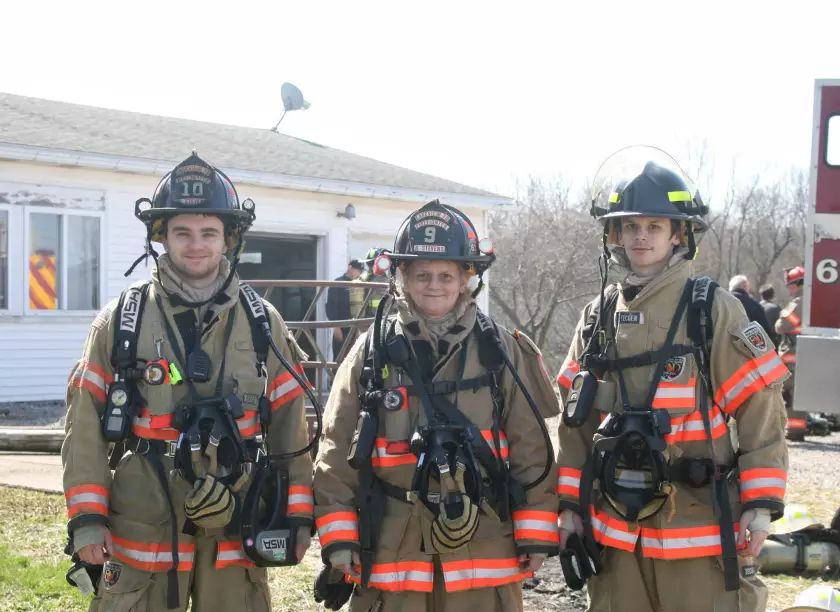
Alarming numbers behind the shortage

State fire officials and recent reporting paint a stark picture of a system under strain. Approximately 70% of Ohio fire departments are staffed wholly or partly by volunteers, yet the number of volunteers has dropped sharply in recent years even as emergency calls rise. An analysis of state data found that volunteer firefighter certifications have fallen by double digits since 2020, while service calls to volunteer departments climbed by more than 20% between 2020 and 2024.
The decline is not just a workforce problem; it is a safety issue. Between 1990 and 2025, volunteers accounted for 57% of Ohio firefighter line‑of‑duty deaths, a rate significantly higher than the national share, underscoring how thin staffing and limited training can make an already dangerous job even more lethal.

Slower responses, higher fire risks
Emergency officials warn the shortage is already showing up at the worst possible moments: when a call comes in. In many small towns, daytime runs can draw only a handful of responders because would‑be volunteers are commuting or working far from their home stations, leaving departments scrambling to assemble crews for structure fires, medical calls and crashes. Longer response times mean fires have more time to grow, smoke has more time to spread and cardiac or overdose patients have fewer minutes left for lifesaving interventions.

Ohio’s State Fire Marshal has publicly warned that rising hazards, increased call volumes and shrinking volunteer ranks are combining into a dangerous mix for communities that have long depended on unpaid neighbors to answer 911 calls. Officials say that if the trend continues, some rural and small‑town residents could see stations shuttered or be forced to rely on distant paid departments, adding yet more minutes to already critical response windows.
Why fewer Ohioans are volunteering

The roots of the crisis stretch from economics to culture. Volunteer firefighting demands hundreds of hours of training, regular drills, and unpredictable late‑night calls—often without pay and sometimes with volunteers footing the bill for gear or taking unpaid time off from their regular jobs to get certified. Many stations report that long‑time volunteers are aging out, with the average volunteer firefighter in Ohio now in their 50s, while younger residents juggle multiple jobs, child care and rising costs of living that leave little room for unpaid service.
Rural communities face particular hurdles. Population decline and job shifts mean fewer residents both live and work in the same town, shrinking the midday pool of available responders just as call volumes increase. At the same time, officials say, the old civic pipelines that once fed volunteer ranks—family traditions, local employers encouraging service, and strong fraternal networks—have weakened, making recruitment far more difficult.
State officials scramble for solutions
State leaders have launched a series of initiatives in an effort to stem the losses and attract a new generation of volunteers. The governor convened a Volunteer Fire Service Task Force to examine barriers to service, and its recommendations included income tax credits for volunteers, expanded paid leave for training and responses, and tuition or training vouchers to reduce out‑of‑pocket costs. The Ohio Fire Academy has rolled out free training for volunteers and an online portal designed to connect prospective recruits with openings at their local departments.
Officials have also invested in public awareness campaigns, airing statewide messages that emphasize both the need and the personal stories of volunteers who have long formed the backbone of local fire protection. Yet even as they promote these incentives, state leaders concede that reversing the trend will require sustained funding, legislative changes and a cultural recommitment to volunteer service in hundreds of communities across Ohio.
Communities caught in the middle
For residents, the crisis is as much about trust and timing as it is about numbers. In villages and townships where neighbors have always counted on the local volunteer department to show up in minutes, the prospect of slower responses—or no nearby department at all—raises fears about house fires spreading, barns and businesses burning, and medical emergencies turning fatal. Many departments are responding by consolidating services, leaning on mutual aid, and asking remaining volunteers to carry heavier pagers and workloads, a stopgap that risks burning out those who stay.
Fire officials warn that without a significant influx of new volunteers—or new money to convert more departments to fully paid staffing—Ohio could be forced into a patchwork future where protection depends heavily on where residents live and how much their communities can afford to tax themselves. For now, the call going out from state leaders and local chiefs is not for help at a specific address, but for Ohioans themselves to step forward before the next alarm rings and no one is left to answer.