


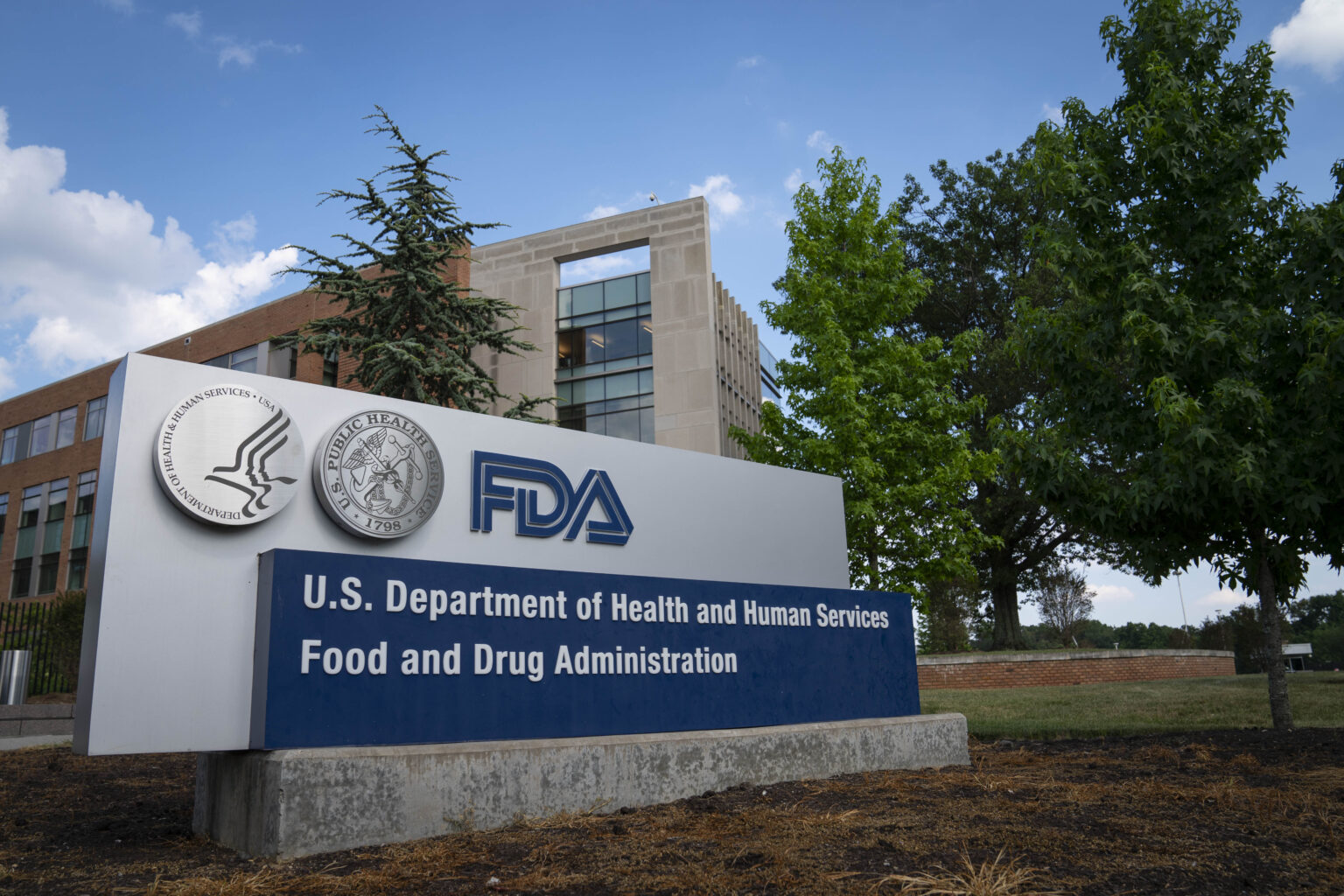
The head of the U.S. Department of Health and Human Services (HHS) has called on the Food and Drug Administration (FDA) to re-review the safety and effectiveness of the pills used for abortion.

The FDA-Approved Drug Under Review
The drug at the center of the discussion, mifepristone, has been FDA-approved since September 2000. The FDA has repeatedly affirmed its safety, approving a generic version in 2019 and another generic form just last month.

The request for a new safety review is unusual, according to Ohio State University law professor Patricia Zettler, who studies the FDA. This is especially true since drug companies that make mifepristone are already required to participate in a Risk Evaluation and Mitigation Strategy (REMS) program, which the FDA uses to “help ensure the benefits of the medication outweigh its risks.”
The REMS program for mifepristone is a “closed system,” according to the FDA, meaning:
* The drug must be prescribed by a qualified health care provider.
* The patient must sign an agreement form explaining the risks.
* It must be distributed by a certified pharmacy.

Despite these existing safeguards, Zettler notes the drug is “getting a lot of attention” due to political movements, including the request for renewed scrutiny from HHS Secretary Robert F. Kennedy Jr.
“Policy preferences are generally not permissible when we’re talking about drug approval,” Zettler emphasized.

Medication Abortion in Ohio: Use and Safety
Medication abortion, typically involving a combination of mifepristone and misoprostol, is a common choice for people who lack easy access to clinics or reliable transportation. It’s also seen as a less-invasive option than a surgical abortion.
Data from the newest annual abortion report from the Ohio Department of Health highlights its importance in the state:
* Medication abortions accounted for more than 13,000 procedures in 2024.
* This represents over 46% of all reported abortions that year.
The procedure is overwhelmingly safe. In testimony before an Ohio House committee, Dr. Alison Norris, an Ohio State epidemiology professor and co-principal investigator for the Ohio Policy Evaluation Network, cited scientific consensus showing mifepristone is safe.
* “More than 100 peer-reviewed studies over 25 years ‘create a strong scientific evidence-base to show mifepristone is safe,'” Norris told legislators.
* She added that serious adverse events occur in less than 0.03% of users.
In fact, research shows a greater likelihood of maternal death in childbirth than in abortion. The American College of Obstetricians & Gynecologists affirmed abortion as a “safe medical intervention,” stating that the risk of complication or mortality is less than that of common procedures like wisdom tooth removal or colonoscopy.
Regarding safety data in Ohio specifically, the state reported 196 post-abortion complications out of 21,829 abortions conducted in 2024, and no deaths were reported.
Clinic Access and Next Steps
Access to reproductive care in some parts of Ohio has been strained by clinic closures and staffing reductions at Planned Parenthood facilities due to federal funding cuts. In response, Ohio clinics have been encouraging clients to use telehealth and are expanding services. Planned Parenthood of Greater Ohio, for example, recently announced a plan to expand medication abortion services in Mansfield.
“Medication abortion is a safe and effective option for ending a pregnancy,” said Dr. Bhavik Kuma, chief medical officer for the greater Ohio affiliate. “Planned Parenthood will always follow evidence-informed standards and medical best practices…”
For now, reproductive rights providers in Ohio are holding steady. Professor Zettler notes that any federal re-review process is time-consuming and involves assessing evidence to see if a different determination about the drug’s benefits and risks can be made.
“So, the most important takeaway from this for states is that nothing has changed,” Zettler concluded. “Nothing’s going to change tomorrow and nothing’s changed today.”