


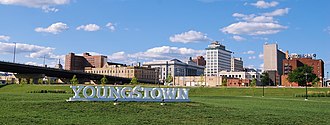
Youngstown Mayor Jamael Tito Brown has been vocal, warning that institutional landlords are buying up homes, hiking costs dramatically, and pushing families into precarious living situations. This “hidden homelessness” refers to individuals and families who are forced to double up with relatives or friends, or live in substandard, overcrowded conditions because they can no longer afford market-rate rent.

The Corporate Landlord Effect
The impact of non-local ownership is particularly stark in Youngstown. While non-local owners account for a small percentage of overall property in Mahoning County, they own a significantly higher proportion of housing structures in poor condition within the city. Critics argue these investors are prioritizing profit over community stability and property upkeep.

* Rents Outpacing Wages: The core issue is an ever-widening gap between local wages and the cost of housing. State data shows that the disparity between what Ohio renters earn and what rent costs has more than doubled since the start of the pandemic.
* A “Housing Wage” Problem: A full-time worker in Ohio needs to earn an estimated $22.51 per hour just to afford a modest two-bedroom apartment without spending more than 30% of their income—a rate far out of reach for many of the state’s most common jobs.
A Growing State-Wide Problem

The dilemma extends beyond the Mahoning Valley. The Coalition on Homelessness and Housing in Ohio (COHHIO) reported a nearly 7% increase in homelessness across the state in 2023. While the number of unhoused Ohioans is rising slower than the national average, the surge in rents post-pandemic is cited as the primary cause.
“The lack of affordable housing is the primary cause of homelessness, and the shortage of affordable housing has been growing steadily for years,” said COHHIO Executive Director Amy Riegel, noting that over 700,000 Ohioans now spend more than half their income on rent.

Seeking Solutions
Local and state leaders are looking for ways to address the crisis. In Youngstown, the Mayor has tied the housing instability directly to negative outcomes for children, impacting their health, education, and emotional stability. State legislators have also introduced measures aimed at addressing the state’s severe shortage of affordable housing units.
For now, many Ohio families remain trapped in a financial squeeze, facing difficult choices between paying rent and meeting other basic needs, a struggle that highlights the critical need for major investments in affordable housing and services across the Buckeye State.