


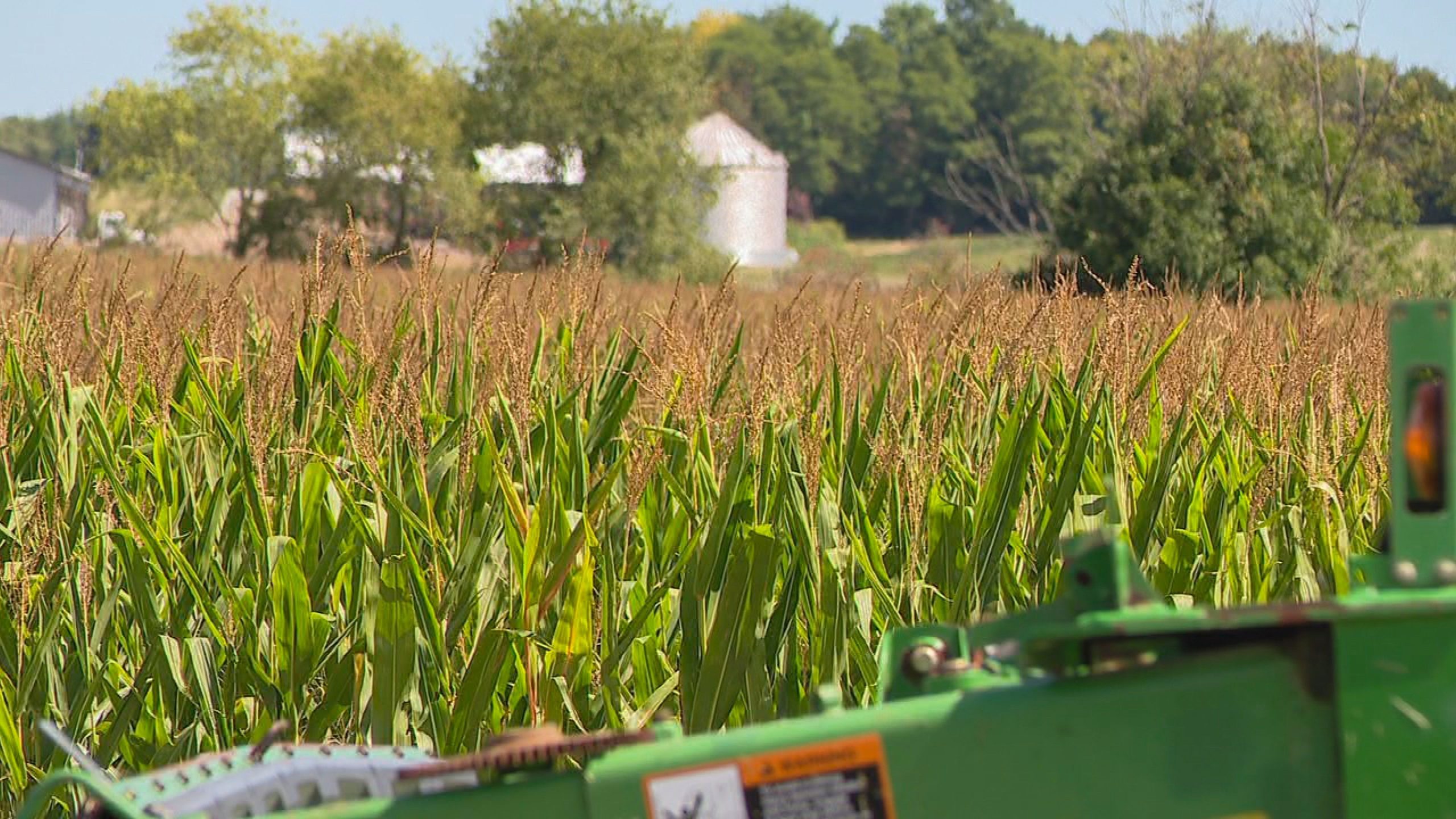

The critique centers on how government programs, particularly subsidies, have historically favored high-yield commodity crops like corn and soybeans. While Ohio is a powerhouse in these areas, producing over 200 different crops and livestock, the financial incentive structure often makes it difficult for farmers to pivot toward fruits, vegetables, and whole grains—foods that are central to combating chronic childhood diseases, as noted in a recent report from the Make America Healthy Again Commission.

Joe Maxwell, president of the nonpartisan watchdog group Farm Action Fund, points a finger at the current policy landscape as a major contributor to the problem. He suggests a simple but profound shift: “They could shift government food procurement towards healthier foods, using government dollars and purchasing power to shift the agriculture and food system.” Farm Action is advocating for federal subsidies to be redirected towards these healthier crops and for greater investment in local and regional food systems. This would not only improve consumers’ access to fresh food but also strengthen rural economies.
Furthermore, trade policies are adding to the financial squeeze. Escalating global trade tensions and retaliatory tariffs, particularly from China, are predicted to cause significant downward pressure on prices for Ohio’s key exports like soybeans and corn. This financial uncertainty forces farmers to focus more on minimizing risk through established commodity systems rather than taking a chance on new, healthier crops.

Ohio farmers are not just asking for a hand-out; they are demanding a systemic overhaul that supports their efforts to provide safe, abundant, and—critically—nutritious food. As the state’s agricultural leaders push for policy changes that favor health and local economies, the message to Washington is clear: the path to a healthier America runs right through the fields of Ohio.