


TOLEDO — Toledo earned its “Glass City” nickname in the 1880s, when manufacturers concentrated here and turned the city into the glass capital of the world. The factories are fewer today, but as a national radio feature highlighted this weekend, the legacy is alive in a different form: Toledo is now awash in glass art, and artists are still moving here because of it.
The story begins with Edward Drummond Libbey, who came to Toledo in 1888 after local businessmen pitched the city as the ideal place to make glass. The industry that followed gave the city names still recognized around the world — Libbey-Owens-Ford, which became Pilkington, along with Owens Corning and Owens-Illinois, all headquartered in Toledo. Libbey also helped create the Toledo Museum of Art, which still anchors the Old West End.

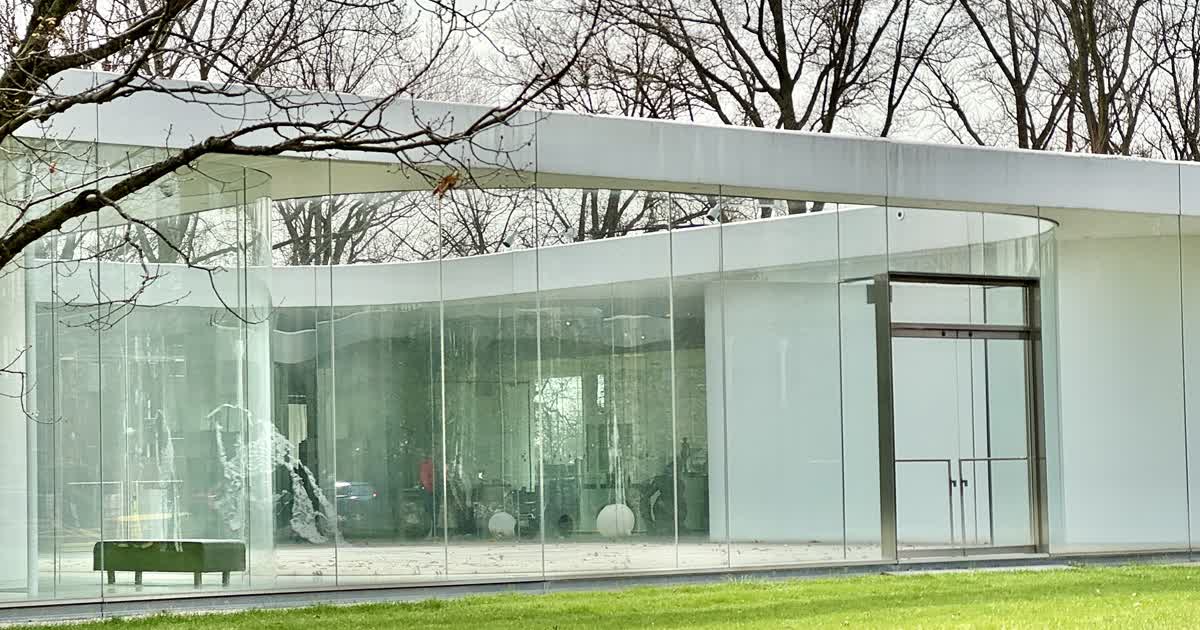
Across the street from the museum’s neoclassical main building sits the Glass Pavilion, a modern building made largely of glass itself, where curator of glass Diane Wright leads visitors through a collection that includes remarkable 19th-century pieces. At the center of the pavilion is an active hot shop, where visitors can watch glassblowing demonstrations — the building functioning, as Wright notes, as a work of art in its own right.
Toledo’s art scene has been tied to its industry since 1962, when the studio glass movement was created here by local workers such as Dominick Labino, a scientist at a local glass company, and artist Harvey Littleton. Their experimental workshops aimed to take glass out of the factory environment and bring it into the artist’s studio — and Labino’s own work now sits in the same museum that hosted those workshops.

That factory-to-studio bridge is still being built. The museum works with companies such as NSG Pilkington to bring artists in to experiment with the material, giving them flat glass and access to industrial manufacturing methods and asking them to make something interesting. Kyle Sword, an R&D director at Pilkington’s offices in nearby Northwood who has been learning glassblowing himself, says the arrangement benefits artists and industry alike, because artists simply do not have access to those industrial processes on their own.
Among the artists working in that tradition is 25-year-old Hannah Bowlus, whose exhibit “Origin Point” is currently on display at the pavilion. The collection mixes blown and cast pieces — some functional, some decorative — including a series of 12 glowing light boxes, a pair of tall, domed green blown-glass lamps she calls the “slime units,” and a glass video game built from stacked cubes, inspired by the pixelation of older video games. For Bowlus, the design comes first, and the engineering follows.

Bowlus moved to Toledo from nearby Bowling Green to be closer to the museum, and she says she is not alone. Artists come from out of state to rent studio space here, she says, because it is affordable and because of the history — and without that access, she says, she would not be able to continue her practice. As the title of her exhibit puts it, this is just her origin point — the latest chapter in a glass story Toledo has been writing for nearly 140 years.