


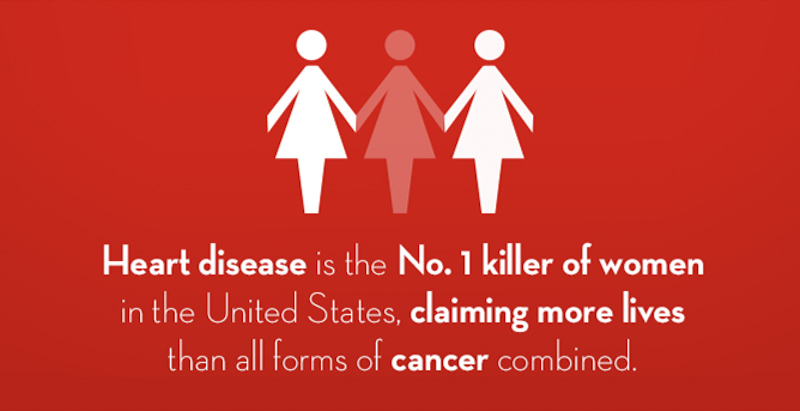

Launched in 2004 by the American Heart Association (AHA) and the National Heart, Lung, and Blood Institute, the day serves as a stark reminder of a medical reality often overlooked: cardiovascular disease causes 1 in 3 deaths among women.

Beyond the Fashion Statement
For many, wearing red is more than a style choice; it’s a tribute to survivors and a pledge for the future. “We wear red to be seen, to be heard, and to be counted,” says Dr. Stacey E. Rosen, volunteer president of the AHA. “For decades, heart disease was viewed as a ‘man’s disease,’ but the data tells a different story. Today is about closing that gap in knowledge and care.”

The 2026 observance comes at a critical time. New data shows that nearly 45% of women over age 20 are living with some form of cardiovascular disease. The movement is now pushing beyond mere awareness, urging women to “Know Your Numbers”—specifically blood pressure, cholesterol, blood sugar, and Body Mass Index (BMI).
A Call to Action

Across the country, the day was marked by more than just apparel:
* Research Advocacy: This year’s campaign emphasized “Research Goes Red,” an initiative to enroll more women in clinical trials, where they have historically been underrepresented.
* Lifesaving Skills: Local clinics held “Hands-Only CPR” workshops, noting that women are statistically less likely to receive bystander CPR in public than men.
* Survivor Stories: In community centers, “Sisterhood of Survivors” panels shared personal accounts of heart attacks and strokes, focusing on how symptoms in women—such as extreme fatigue or jaw pain—can differ from the “Hollywood” chest-clutching often seen in movies.

As the sun sets on Wear Red Day, the message remains clear: while the red clothing may go back into the closet tomorrow, the fight to protect the hearts of mothers, daughters, and sisters continues year-round.