


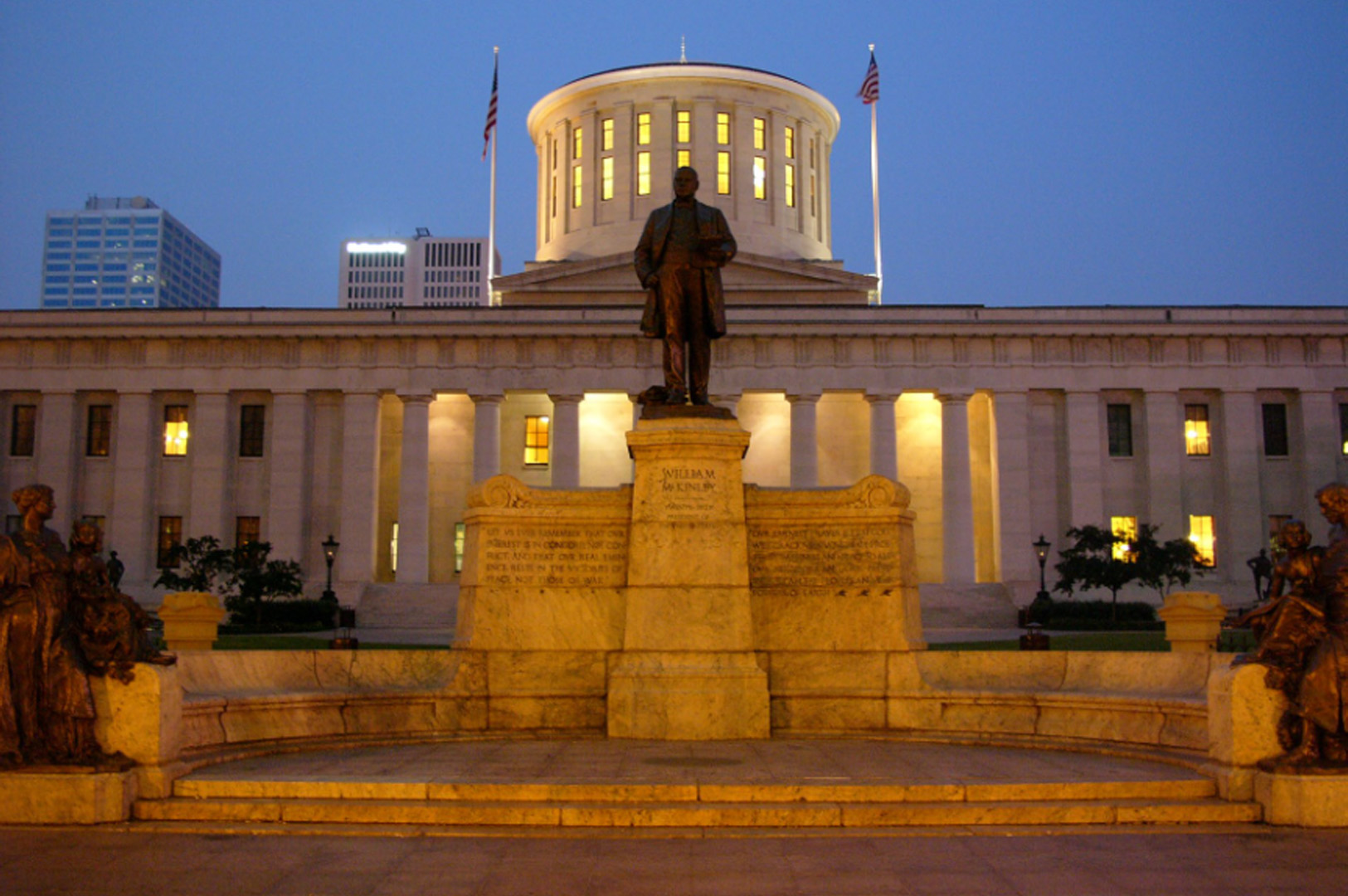
Current state law guarantees the public’s right to attend and observe meetings but does not provide for the right to speak. House Bill 609 seeks to modify that standard by mandating that governing bodies offer public commentary and testimony prior to making decisions or taking votes.

The measure, introduced on Nov. 25 by Representatives Meredith Craig (R–Smithville) and David Thomas (R–Jefferson), has drawn bipartisan sponsorship. Representatives Sean P. Brennan (D–Parma) and Chris Glassburn (D–North Olmsted) have joined Craig, Thomas, and three additional Republican lawmakers in backing the bill.
In addition to expanding public comment opportunities, H.B. 609 would restrict public bodies from requiring advance registration or pre-approval for speakers. It would, however, permit the collection of names and contact information from those wishing to speak. The bill also calls for at least 24 hours’ notice prior to any special meeting and would require entities to notify media outlets in emergency situations.

The legislation would apply to local governments, school boards, state agencies, and other public bodies operating at the county or multi-county level, but it would not extend to the state legislature itself.
Some lawmakers and advocates have argued that the measure addresses longstanding gaps in public transparency. House Minority Leader Dani Isaacsohn recently criticized legislative practices that allow amendments to be adopted without sufficient opportunity for public input. Citing Senate Bill 293—an elections measure passed on Nov. 20—Isaacsohn noted that significant revisions were made to the bill one day before passage, precluding adequate public review or comment.

Amy Swank, a Dublin resident and civic advocate familiar with local data center development issues, expressed support for H.B. 609 but urged legislators to strengthen its provisions. She proposed requiring that any legislation subject to potential action be posted at least seven days before the meeting in which it is to be considered. Presently, state law—as well as the pending legislation—requires only notice of a meeting’s time, date, and location.
“Even when agendas are posted, they typically lack details sufficient for citizens to understand the issues at hand,” Swank said. “Posting the actual legislation would better inform both the public and the decision-making bodies themselves.”

H.B. 609 has not yet been referred to a House committee and is unlikely to receive consideration until 2026.