


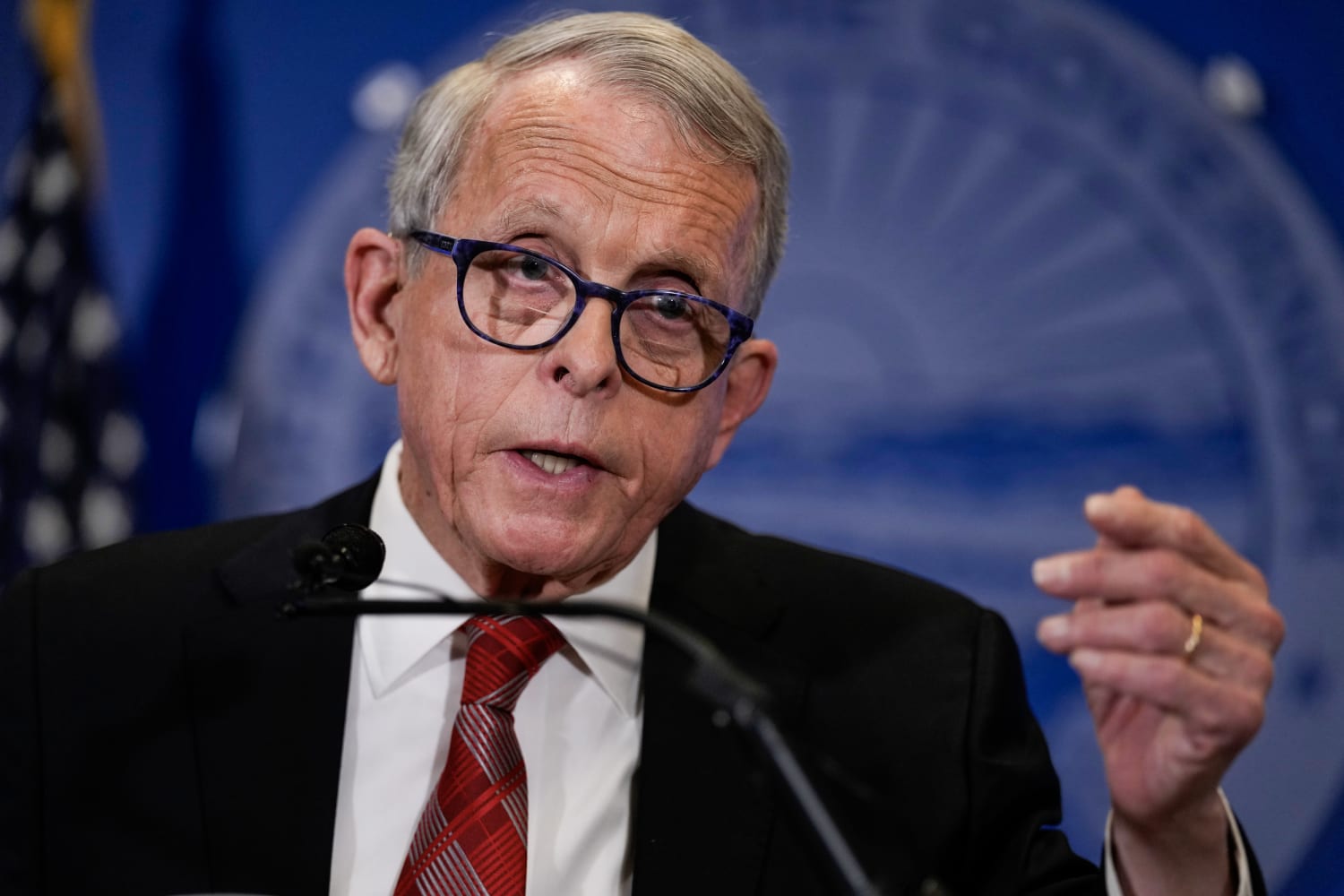
The justices’ decision, made public on October 29, 2025, sets the stage for a significant legal battle over money intended to aid Ohioans who lost their jobs during the COVID-19 pandemic. The class action suit represents hundreds of thousands of former workers who were eligible for the federal benefits that the state refused to accept.

The Heart of the Dispute
At the core of the legal challenge is an Ohio state law, dating back to the Great Depression, which mandates that the state must seek “all advantages available” when it comes to federal unemployment dollars. The plaintiffs argue that Governor DeWine violated this law when he chose to stop accepting the federal funds in the summer of 2021, long before the federal program was set to expire.

The state’s appeal to the Supreme Court came after lower courts sided with the plaintiffs, ruling that the administration must move to accept the funds.
Administration Claims Funds Are Gone

A key part of the administration’s defense is the assertion that the money is no longer available to be claimed and distributed.
“The money is ‘not there’ anymore at this point and that there is no money for DeWine to request and distribute,” a spokesman for the Governor stated.

However, an attorney representing the plaintiffs, former Democratic Attorney General Mark Dann, has pushed back against this claim. He has presented court filings that include an affidavit from a Department of Labor worker affirming that the funds were still available from the federal government as of July 2024.
Political and Personal Stakes
The lawsuit carries high political stakes for the Republican-controlled state government. The Supreme Court, which holds a 6-1 Republican majority, will now decide the fate of the money. Notably, Justice Pat DeWine, the Governor’s son, did not participate in the 5-1 decision to take up the case.
The class action is led by a woman named Candy Bowling, who lost her job inspecting airplane parts when the pandemic caused air travel to collapse. Her case has become a rallying point for the estimated 300,000 Ohioans who were laid off and could be entitled to a share of the funds.
If the plaintiffs ultimately prevail, the administration could be compelled to re-engage with the federal government to secure and disperse the money, offering a long-awaited financial lifeline to a large segment of Ohio’s pandemic-impacted workforce. The court’s ruling will determine whether a Great Depression-era law will compel the state to deliver on a critical piece of pandemic relief.