


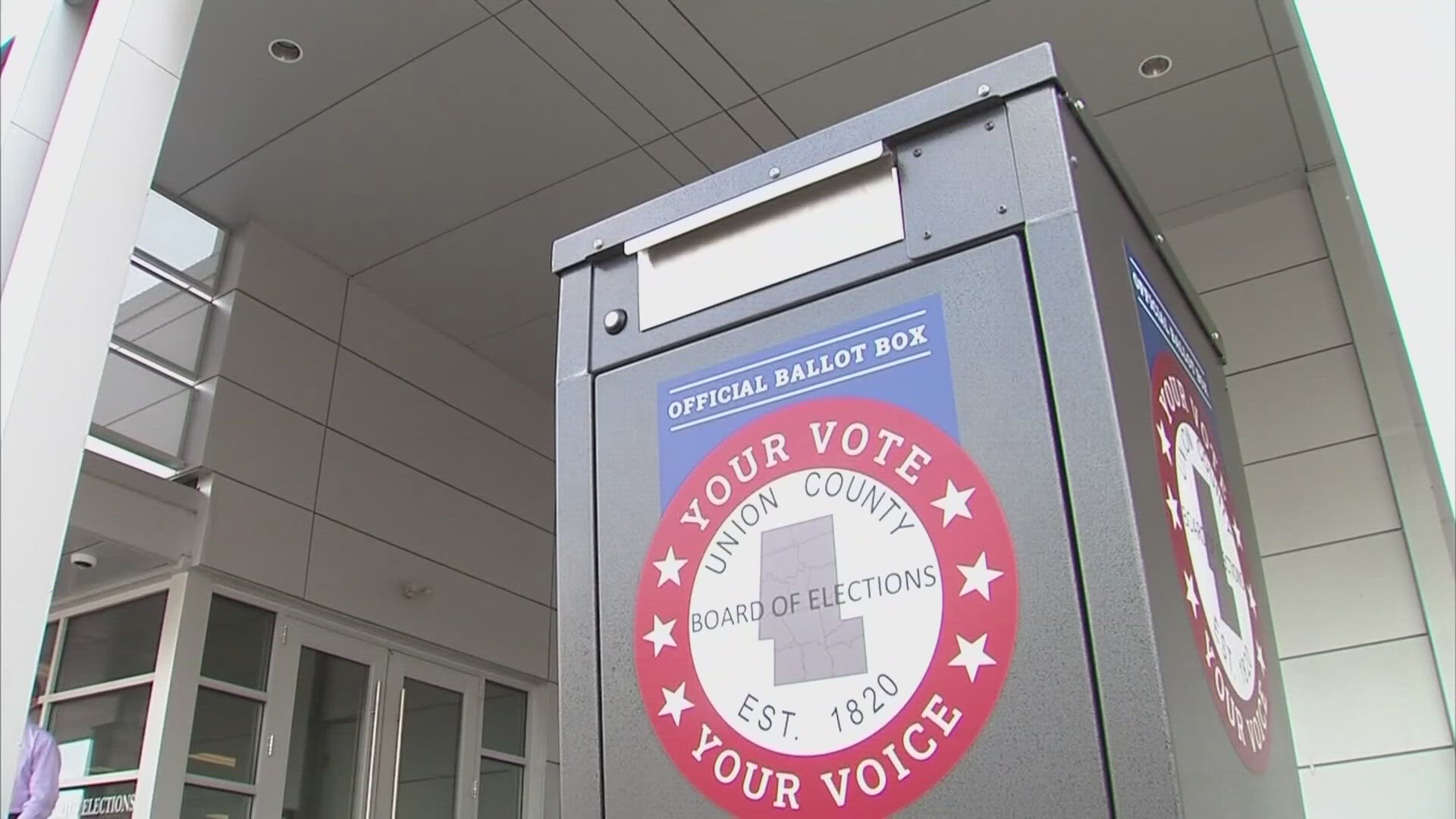
LaRose said the deal represents “a landmark step” in safeguarding voter integrity while ensuring that every eligible Ohioan can participate in elections without unnecessary obstacles. Under the agreement, the federal government will provide Ohio with periodic updates from national databases maintained by agencies such as the Department of Homeland Security (DHS) and the Social Security Administration (SSA).
“These are the most reliable sources of data available,” LaRose said at a press briefing in Columbus. “For the first time, Ohio will have continuous, systematic access to federal information to confirm registrations, update records, and identify potential errors. That means cleaner rolls and greater confidence in our elections.”
What the Agreement Does
The agreement establishes a direct exchange mechanism that enables Ohio to cross-check its voter registration database against verified federal citizenship records. Election officials will use the data to verify newly registered voters, remove ineligible individuals, and ensure address and name changes are accurately reflected.
According to LaRose’s office, the data-sharing arrangement is designed to comply fully with existing federal election laws, including the National Voter Registration Act, which requires states to maintain accurate lists while preventing improper purges.
Ohio currently verifies voter eligibility using state-level information from the Bureau of Motor Vehicles, vital records, and criminal databases. The new federal access adds a deeper layer of verification, allowing the state to confirm details that previously required manual checks or third-party verification through organizations like the Electronic Registration Information Center (ERIC).
Ohio was one of several states to withdraw from ERIC earlier this year, citing privacy concerns and a desire for greater control over its voter data. The new federal partnership, LaRose said, “fills that gap and gives us direct access to the most authoritative sources of citizenship data available.”

A Move with National Implications
Election experts say Ohio’s agreement could become a model for other states seeking alternatives to multi-state compacts like ERIC. As concerns over election integrity and access continue to dominate national politics, balancing the precision of voter roll maintenance with voter rights protections remains a delicate matter.
“This partnership could set a precedent,” said Daniel Paltz, a senior fellow at the Brennan Center for Justice who studies voting administration. “If the federal data can be shared effectively and securely, it may modernize voter verification nationwide — but there are also serious questions about privacy, data misuse, and how states interpret federal citizenship data.”
Critics have long warned that the improper use of federal immigration data could mistakenly flag naturalized citizens, leading to confusion or disenfranchisement if safeguards aren’t strong enough. LaRose said that Ohio will implement rigorous audit procedures and provide voters ample opportunity to correct errors before any registration action is taken.
Privacy, Accuracy, and Transparency
Privacy advocates reacted cautiously to Monday’s announcement, emphasizing the need for transparency in how voter data is handled and safeguarded. Federal and state databases contain sensitive personal information including Social Security numbers, immigration status, and birth records.
“This type of long-term data-sharing agreement requires strict oversight,” said Maria Delgado, director of the Ohio Privacy Coalition. “Ensuring voter roll integrity shouldn’t come at the expense of personal data security. Voters deserve to know what information is being shared, who can access it, and how it’s protected.”
LaRose’s office said that Ohio’s cybersecurity teams will work closely with DHS to ensure that data transfers are encrypted and audited regularly. The Secretary emphasized that the agreement includes “robust privacy protocols” in accordance with both federal and state law.
Long-Term Vision
The new data-sharing deal extends for two decades — the longest such election integrity partnership between the federal government and an individual state to date. The agreement will be automatically reviewed every five years for compliance, effectiveness, and potential expansion.
LaRose said the move is part of his office’s broader modernization effort, which includes piloting new data analytics tools to detect duplicate registrations, improve change-of-address accuracy, and identify potential noncitizen registrations.
“Elections are built on trust,” LaRose said. “That trust starts with having the right names on the right rolls. This agreement puts Ohio at the forefront of that effort, not just for 2026, but for decades to come.”
Ohio’s 88 county boards of elections will begin receiving updated data next spring, ahead of the 2026 primary election cycle. Officials will then integrate the new verification checks into the state’s standard voter registration maintenance schedule, which typically ramps up in the months before federal election years.
Political Reactions
Reaction among lawmakers fell largely along partisan lines. Republican legislators praised the move as a “proactive and necessary” measure to strengthen election security, while some Democrats voiced concerns about potential voter suppression if the data is used too broadly.
State Senator Paula Hicks-Hudson (D-Toledo), a former elections attorney, urged caution in implementing the new system. “Every tool that helps keep the rolls accurate is worthwhile,” she said, “but the process must be fair, transparent, and error-proof. We can’t risk disenfranchising eligible voters in the name of security.”
Meanwhile, Senate President Matt Huffman (R-Lima) said the agreement “removes doubt about who’s eligible to vote and ensures Ohio remains a national leader in election integrity.”
The Road Ahead
As the debate over election policy intensifies heading into the 2026 campaign season, Ohio’s new data-sharing framework will be closely watched by other states exploring independent solutions for verifying voter eligibility.
LaRose, who has positioned Ohio as a national test case for post-ERIC reforms, suggested that the partnership could lead to even more advanced collaboration in the future — including multistate data exchanges built directly through federal channels rather than third-party intermediaries.
“This is about accuracy and confidence,” he said. “When Ohioans go to the polls, they should know their system is secure, accurate, and based on the best data available. That’s what this agreement accomplishes.”
With the signing complete and implementation underway, Ohio now stands at the forefront of a nationwide dialogue about the intersection of technology, privacy, and democracy — a conversation that will likely shape the future of American elections for years to come.