



Before 2014, schools were required to hold 182 instructional days each year. Now, they only need to meet state hour minimums — 455 hours for half-day kindergarten, 910 for full-day kindergarten through sixth grade, and 1,001 for grades seven through 12. Traditional online schools must meet 910 hours of instruction annually.

Under the hours-based system, districts can count any supervised learning time toward their annual totals, including regular classes, field trips, assemblies, and other “approved education options.” Recess counts for younger students, but lunch, breakfast, and after-school activities do not. Schools can also credit the equivalent of two days each for parent-teacher conferences and teacher training.
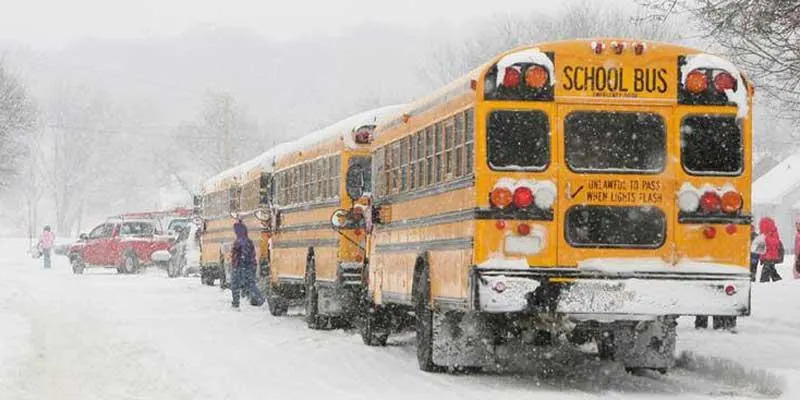
The change effectively ended Ohio’s long-standing “calamity days” — the built-in allowance for snow, floods, or other weather emergencies that once forced schools to close. Instead of losing those days outright, districts now build in extra instructional hours to act as a buffer, ensuring they stay above the state minimum even after a few cancellations.

When severe weather stretches beyond those excess hours, schools increasingly turn to “Online Learning Days” to make up missed time. Often referred to as “blizzard bags” or virtual instruction days, these online lessons allow students to complete assignments from home, keeping the district in compliance without extending the school year into summer.
The more flexible schedule has allowed local districts to design calendars that best fit their communities — lengthening school days, shifting conference schedules, or front-loading hours early in the year to anticipate winter weather. In Ohio, the traditional snow day hasn’t disappeared entirely, but it’s no longer the automatic break it once was.