


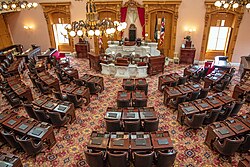
The legislation, which passed with bipartisan support, now returns to the Ohio Senate, where lawmakers will consider the changes before it can be sent to the Governor’s desk.

Key Provisions in the Passed Bill
The bill introduces several sweeping changes that would impact cultivators, retailers, and consumers across the state:

* Regulation of Intoxicating Hemp: A central component of the plan is the establishment of a formal regulatory structure for products derived from hemp that contain intoxicating levels of THC. Retailers wishing to sell these products would be required to obtain one of several new licenses.
* “Drinkable Cannabinoid Products”: The legislation carves out a specific pathway for low-dose THC beverages. These “drinkable cannabinoid products” would be allowed for sale in traditional retail settings like grocery stores and corner stores, and could also be served at bars and restaurants.
* Potency Limits: The bill imposes specific potency limits on THC products, aiming to standardize the strength of cannabis available for sale.
* Tax Revenue Distribution: To address local concerns related to the presence of dispensaries, the measure includes a mechanism to distribute over $80 million in tax revenue over the next two fiscal years through a Host Community Cannabis Fund. This fund is intended to benefit cities and towns that have licensed dispensaries within their borders.
The push for this overhaul comes as lawmakers seek to reconcile the differences between Ohio’s adult-use marijuana law and the largely unregulated market for intoxicating hemp products that emerged following the 2018 federal Farm Bill.

“A lot of what the Senate wanted to see was kind of the bones of this deal anyway,” stated a key House negotiator on the bill earlier in the day.
Next Steps for the Legislation

Having cleared the House, the bill now moves back to the Senate. Senators will have the option to concur with the changes made by the House or send the matter to a conference committee for a final round of negotiations. If a final version is approved by both chambers, it will require the signature of Governor Mike DeWine to become law. The legislative maneuvering is expected to continue as industry groups and lawmakers debate the final details of the state’s evolving cannabis landscape.