


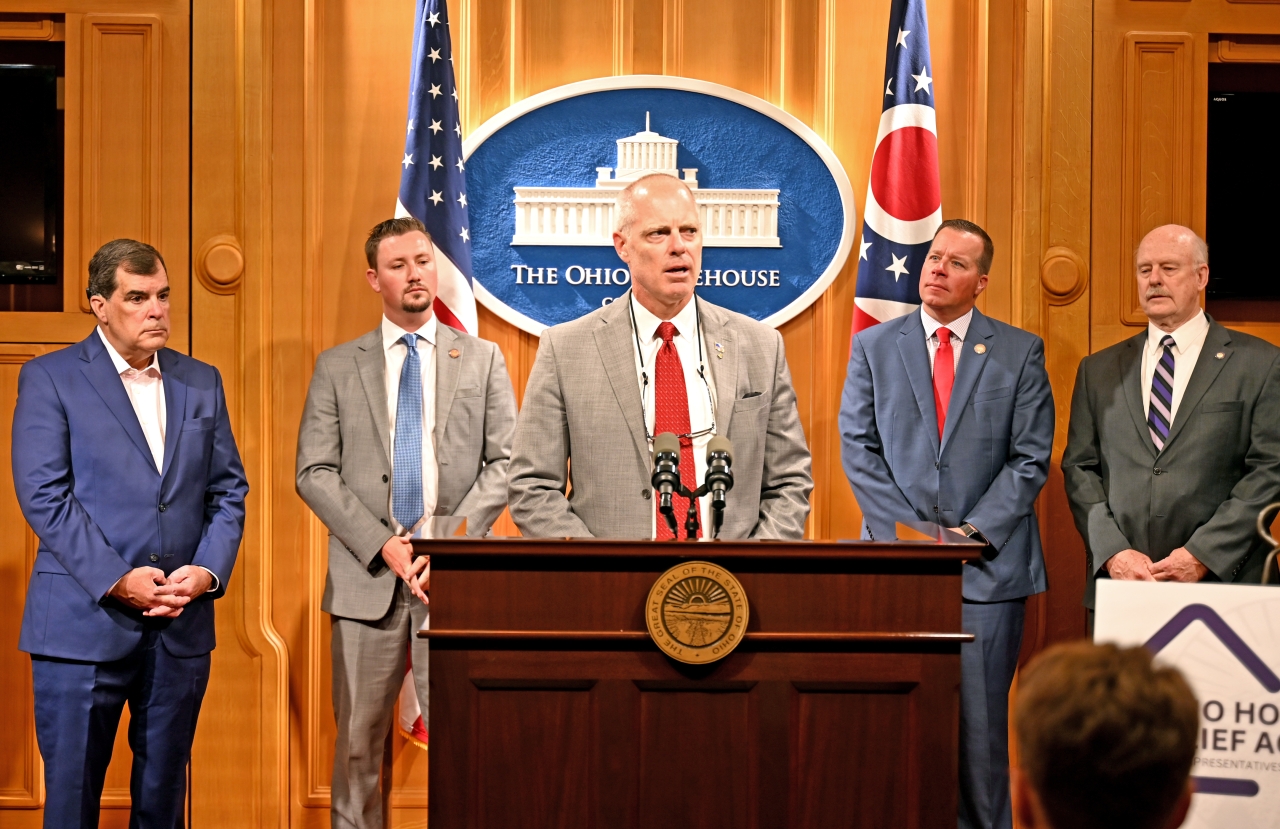
Bird said his forthcoming bill aims to prevent what he sees as the growing commercialization of amateur sports at the high school level. “High school sports are about teamwork, dedication, and learning life lessons — not about cashing in before you graduate,” Bird told reporters. “We need to protect kids from the pressures and distractions that can come with money and endorsements.”

If passed, Ohio would join a small number of states that prohibit high school athletes from profiting off their NIL rights, even as most states — and the NCAA — now allow college athletes to do so. The Ohio High School Athletic Association (OHSAA) currently bans NIL agreements for high school players, but Bird’s measure would codify that restriction into state law.
Critics of such bans, including athlete advocacy groups and some education policy experts, argue that prohibiting NIL deals can unfairly limit students’ economic opportunities. “If a young athlete has a large social media following or a local business wants to sponsor them, why shouldn’t they benefit from their own talent and effort?” said Dana Murphy, a youth sports policy analyst with the Ohio Center for Student Opportunity. “We need guardrails, not blanket bans.”

Supporters of Bird’s proposal, however, insist that NIL at the high school level risks creating inequities between wealthier and less resourced schools, while putting undue pressure on teenagers. “It’s important that sports remain a space for growth, teamwork, and inclusion — not financial transactions,” said John Spicer, an athletic director from Clermont County.
The legislation, expected to be introduced early in the next legislative session, could reignite debate over where to draw the line between opportunity and exploitation in amateur athletics. As NIL continues to reshape the landscape of college and professional sports, Bird’s proposal asks a more fundamental question: Should high school athletes be treated as students — or as brands?