


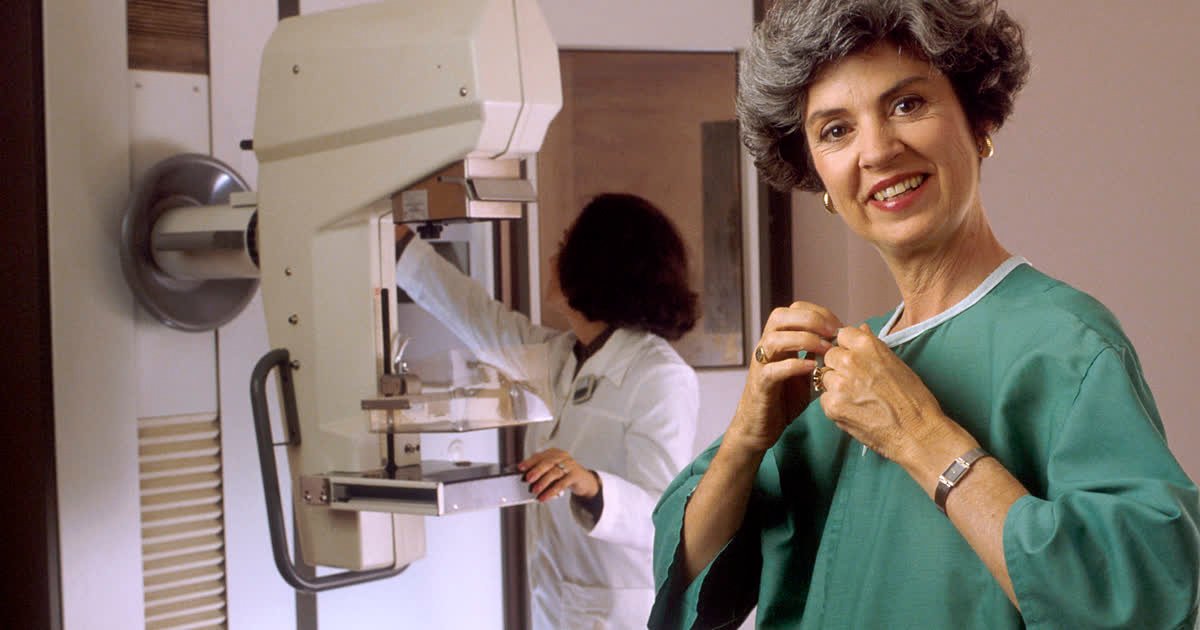
CANTON — Breast cancer advocates, hospital leaders and U.S. Rep. Emilia Sykes gathered Wednesday, Oct. 14, in Northeast Ohio for a community roundtable on a problem that rarely makes headlines: the bill a patient can face after a screening mammogram, before any diagnosis is made. The discussion, hosted with Susan G. Komen at Cleveland Clinic Mercy Hospital’s cancer center, focused on follow-up imaging and the out-of-pocket costs that can slow it down.
Organizers pointed to the scale of the disease in Ohio. More than 11,000 people in the state will be diagnosed with breast cancer in 2026, and more than 1,500 will die from it this year, according to figures shared at the event. Against those numbers, speakers argued, a weeks-long delay while a patient saves for a diagnostic test is time the disease does not give back.

The roundtable drew a distinction between screening and diagnosis. A routine screening mammogram is generally covered, but when it flags something that needs a closer look, the follow-up imaging that follows can carry cost-sharing that surprises patients. Advocates said some people postpone or skip those appointments because of the price, even when a clinician has said the additional imaging is necessary.
Before the discussion, Sykes and congressional staff from the Ohio delegation toured the hospital cancer center’s imaging and radiation facilities. The visit gave the group a firsthand look at the equipment and staff involved in moving a patient from an initial screening through diagnosis and, when needed, into treatment.

Much of the policy discussion centered on legislation at both levels of government. Komen has backed laws in 33 states removing patient cost-sharing for medically necessary breast imaging, and it worked with members of Congress on the federal Access to Breast Cancer Diagnosis Act, cited as H.R. 3037 and S. 1500, which would extend that protection nationwide.
Community members who have faced breast cancer also spoke, describing the financial choices that can follow an abnormal screening result. Their accounts, organizers said, are the reason the issue is being raised in hospital settings rather than only in legislative hearings — the cost barrier is encountered by individual patients, one appointment at a time.

For Northeast Ohio residents, the immediate takeaway from the Oct. 14 roundtable is awareness: a follow-up imaging recommendation should not be quietly dropped over cost without a conversation. Hospital staff and advocacy organizations can often point patients to assistance, and the federal proposal discussed Wednesday will continue moving through Congress, where its progress will determine whether the protection Ohio advocates described becomes uniform across the country.