


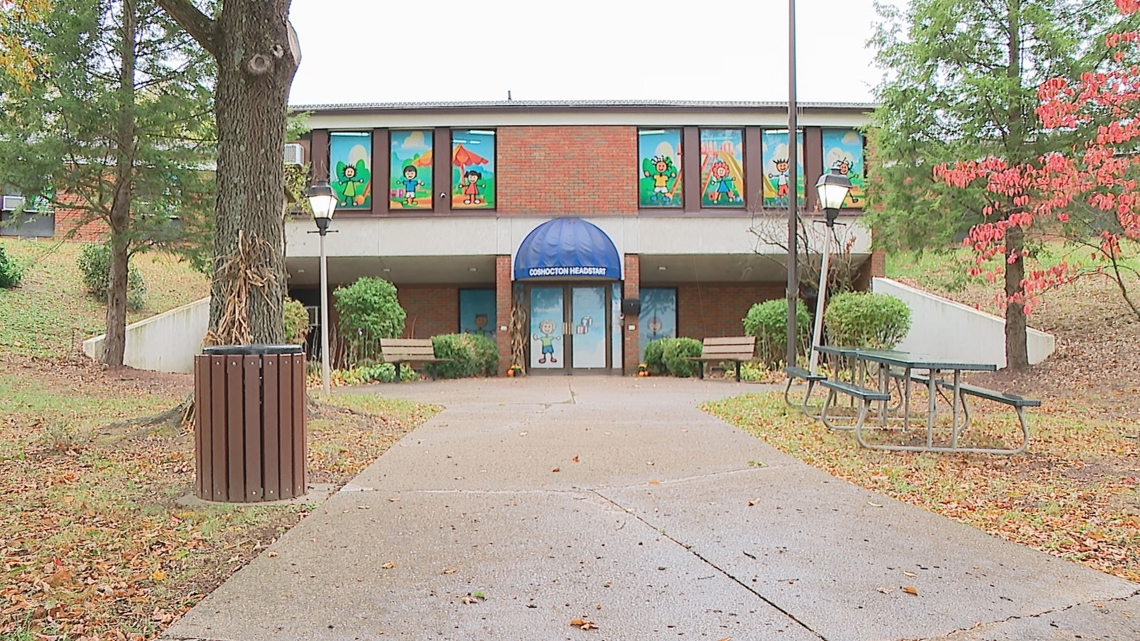
The crisis is forcing program administrators to prepare for the possibility of temporarily closing their doors, which would immediately disrupt education, nutrition, and child care for thousands of Ohio families.

Rural Communities Hit Hardest
The impact is being felt acutely in smaller and rural communities where Head Start is often the only reliable early childhood education provider. Coshocton County Head Start, which serves approximately 140 local children, is among those on the financial precipice.

If Congress fails to pass a full budget or a short-term continuing resolution (CR) to restore funding, the consequences will be severe:
Loss of Services: Children will lose access to early learning, comprehensive health screenings, and two nutritious meals per day.

Job Losses: Approximately 940 dedicated staff members across the seven affected programs face immediate layoffs.
Family Instability: Working parents, many in hourly or low-wage jobs, will be left scrambling for emergency child care, risking their employment and economic stability.

”Head Start is a Lifeline”
Julie Stone, Executive Director of the OHSAI, issued an urgent plea to federal lawmakers.
”Every day the shutdown continues, Ohio children and families are paying the price,” said Stone. “Head Start is not a political issue—it’s a lifeline. Congress must act now to restore funding, keep classrooms open, and protect the stability of families, the staff who serve them, and communities.”
Head Start programs are federally mandated to provide comprehensive services to the nation’s most vulnerable children from birth to age five. Programs are structured with annual grants, and the current shutdown has halted the disbursement of new funds for the fiscal year that began October 1st.
Local officials in affected counties, including Highland County where 177 children are at risk, have warned that a closure could create a lasting service gap and a permanent loss of staff capacity in areas already struggling with child care deserts.
The National Head Start Association estimates that if the shutdown persists through November 1, more than 65,000 children in 140 programs across 41 states will be in jeopardy. Ohio’s affected programs remain hopeful for an eleventh-hour agreement in Washington to prevent the loss of these essential services.