


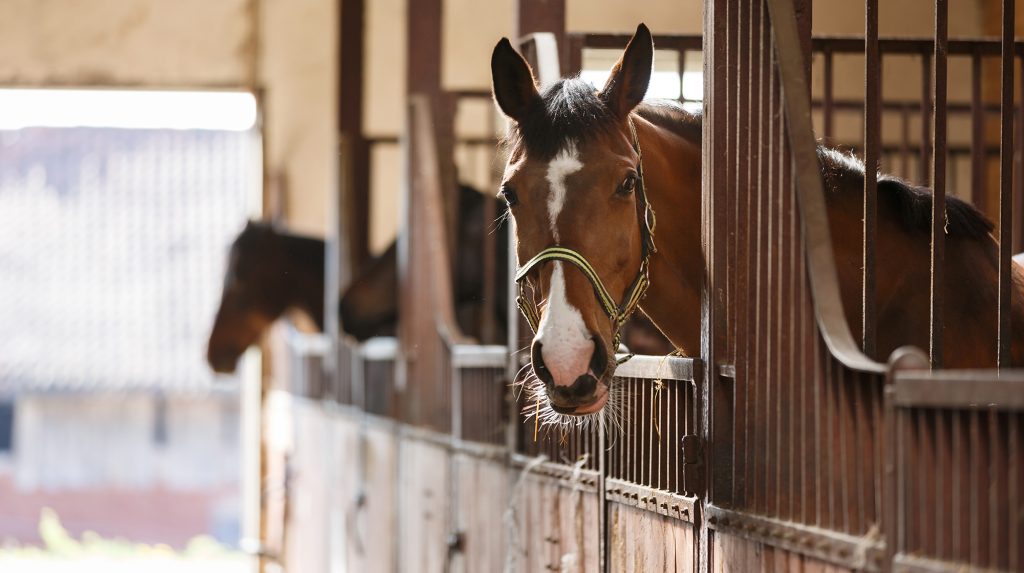
According to the department’s statement, no cases have been confirmed in Ohio at this time. However, out of caution, state officials are coordinating with agriculture departments in other states to monitor potential exposures and track horse movements.

EHM is caused by a strain of EHV-1, a contagious virus that can lead to respiratory disease, fever, abortion in pregnant mares, and in severe cases, neurological problems that may be fatal. The virus spreads primarily through direct horse-to-horse contact, contaminated equipment, or people’s hands and clothing.
The ODA is urging Ohio horse owners who recently traveled with their animals to contact the department immediately, particularly if their horses attended events in Texas or Oklahoma over the past several weeks. Horse owners are also advised to monitor their animals for symptoms such as fever, nasal discharge, incoordination, or weakness in the hind limbs.
“While we have not seen any confirmed cases in Ohio, vigilance is key,” the department’s spokesperson said. “Early detection and biosecurity measures can make all the difference in preventing an outbreak.”
Veterinarians across the state are being notified to remain alert for any signs consistent with EHV-1 infection. The ODA continues to work with the United States Department of Agriculture (USDA) and regional partners to ensure that testing and containment measures are in place should the virus appear within state borders.

Horse owners seeking more information or wishing to report potential exposures can contact the ODA’s Division of Animal Health or visit the department’s website for updates and guidance on biosecurity practices.