


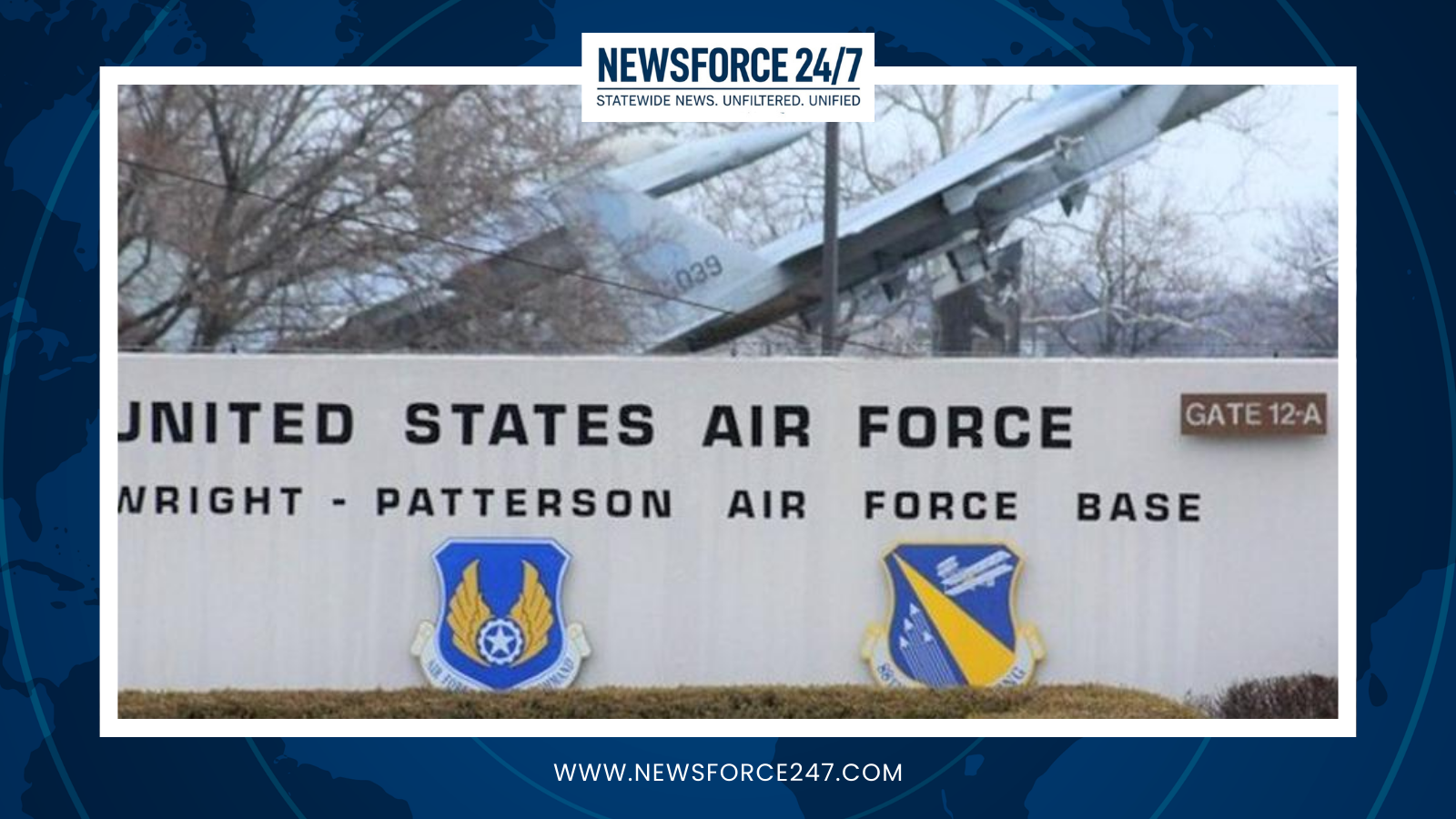

The City of Dayton has filed a federal lawsuit accusing Wright-Patterson Air Force Base of allowing “forever chemicals,” or PFAS, to contaminate the city’s drinking water supply. Filed on February 18, 2026, in the U.S. District Court for the Southern District of Ohio, the suit seeks reimbursement for costs tied to the ongoing pollution.
Lawsuit Details
Dayton claims a “massive plume” of PFAS from the base, primarily from firefighting foam in a fire suppression system incident, has migrated into the Ottawa Wellfield, one of the city’s key water sources. The city has already spent $14 million on initial defenses, including $22 million recently approved by commissioners for demolition and equipment to meet EPA guidelines, with total costs potentially reaching hundreds of millions. The complaint alleges the base has “steadfastly refused” to reimburse or address the migration impacting groundwater and surface water.news.

PFAS Background
PFAS, known as “forever chemicals” for their persistence in the environment, are linked to health risks including cancer, weakened immunity, and developmental issues. At Wright-Patterson, contamination stems from historical use of PFAS-laden aqueous film-forming foam (AFFF) at multiple sites, prompting well shutdowns and treatment systems. The EPA’s 2024 standards set limits at 4 parts per trillion for key PFAS like PFOA and PFOS, levels exceeded in Dayton’s Ottawa Wellfield.

Base Response and History
Wright-Patterson has invested over $61.9 million in remediation, including 291 monitoring wells, quarterly testing, and treatment reducing concentrations from hundreds to single digits of parts per trillion. Base officials previously disputed threats to Dayton’s supply, noting off-base water below older 70 ppt advisories, and continue aggressive cleanup under federal regulations. This suit builds on Dayton’s 2021 lawsuit against the base and Department of Defense, which accused them of failing to prevent PFAS migration into the Mad River Wellfield.
Local Impact
Dayton supplies water to over 400,000 customers and emphasizes its four-decade commitment to safe supplies, but warns untreated base contamination poses an imminent threat. Deputy Water Director Aaron Zonin highlighted the financial burden, as the city leads mitigation while awaiting federal action. No immediate comments from base leaders on the new filing were available as of February 20, 2026.
