


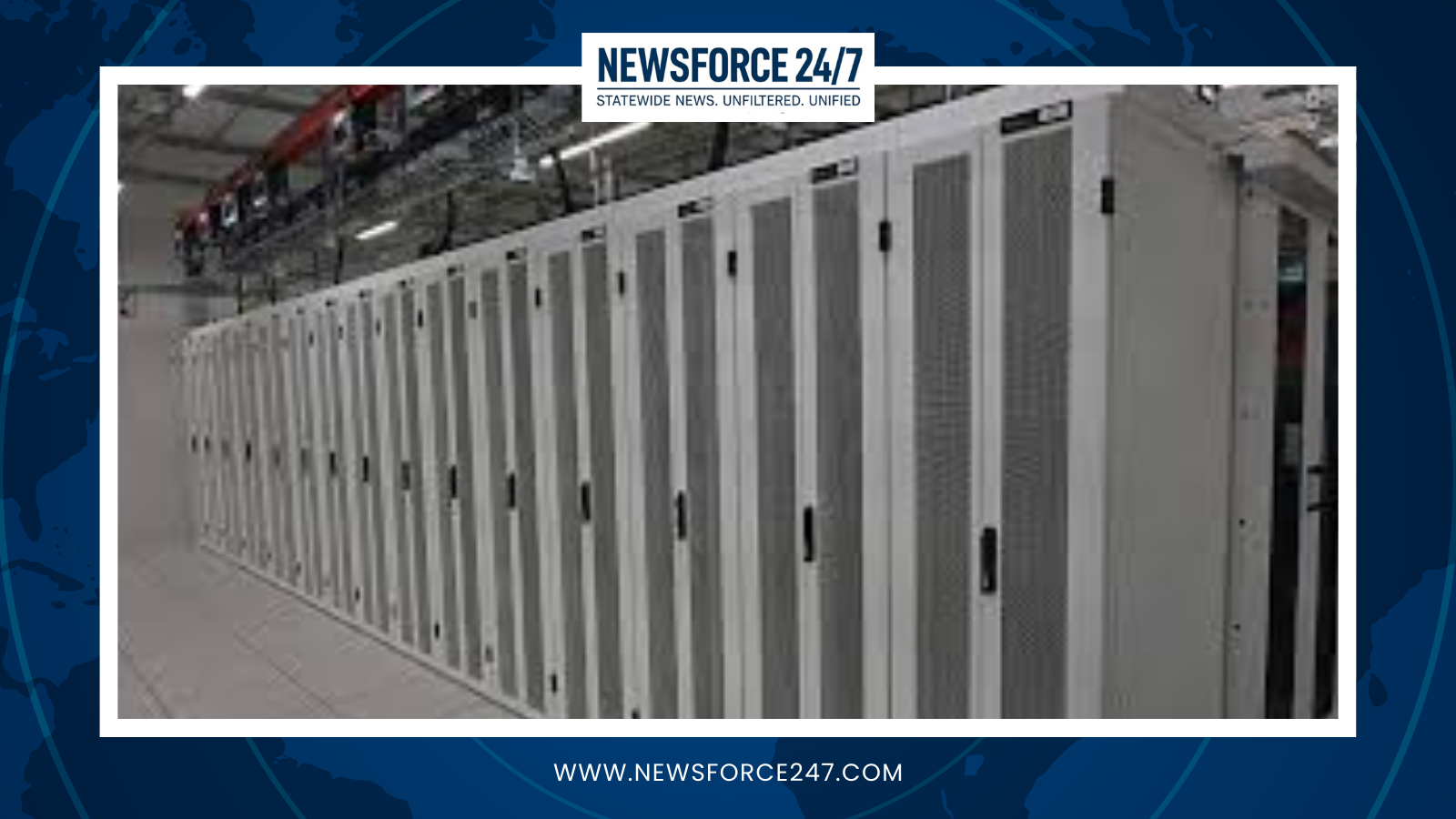

American Electric Power’s Ohio utility is defending a controversial rate structure for data centers as a necessary tool to weed out speculative projects, even as the state’s leading manufacturing lobby urges the Ohio Supreme Court to throw it out as discriminatory and unlawful.
Background on the tariff
AEP Ohio developed its data center‑specific tariff after a rush of inquiries from data center developers seeking to plug into the grid across central Ohio. Before regulators signed off, data center and developer requests in AEP Ohio’s queue topped 30,000 megawatts of potential new demand, an amount utility officials described as unprecedented for the state. The Public Utilities Commission of Ohio (PUCO) ordered AEP Ohio in 2023 to create a tariff tailored to large data centers and to lift a moratorium the utility had imposed on new data‑center connections.

Under the tariff, certain large data centers face minimum purchase requirements, long‑term service contracts and exit fees if they back out early. The design includes a “minimum demand ratchet” that effectively sets a floor for how much load a data center pays for each month, even if its actual usage falls below that threshold. PUCO approved the tariff last summer as part of a broader settlement, rejecting arguments from technology firms and manufacturers that the policy unlawfully singles out a particular class of customer.
AEP Ohio’s defense
AEP Ohio says the data center tariff has already proven its value by separating serious projects from speculative deals and ensuring that other ratepayers are not stuck paying for underused infrastructure. In a February filing, the utility reported that of more than 30,000 MW of data center interest prior to PUCO approval, about 13,000 MW of projects paid for engineering studies and roughly 5,642 MW ultimately signed binding contracts under the tariff’s terms. Company officials argue that the steep drop‑off shows the tariff’s financial commitments are pushing developers to provide more accurate load estimates and commit only to viable projects.

The utility also maintains that the structure “ensures that large data center customers will pay their fair share of the costs of the upgrades needed to serve their demand for electricity,” shielding residential and small‑business customers from the risk of paying for substations and lines that might never be fully used. AEP Ohio has framed the policy as a compromise that supports Ohio’s fast‑growing data center industry while preserving grid reliability and protecting existing customers from cost‑shifting.
Manufacturers’ challenge at the high court
The Ohio Manufacturers’ Association Energy Group is now asking the Ohio Supreme Court to overturn PUCO’s approval, calling the tariff a “flagrant and unlawful effort to discriminate against certain customers.” In its appeal, the group contends the plan violates Ohio’s Certified Territories Act and broader anti‑discrimination principles by treating similarly situated large power users differently based solely on whether they operate data centers. The filing also targets AEP Ohio’s earlier moratorium on new data center connections, arguing the utility imposed it unilaterally without regulatory approval and used it as leverage while the tariff case moved through PUCO.

Manufacturers say AEP Ohio’s justifications rest on “overstated and speculative transmission concerns” and “unreasonable assumptions” about future load growth. The association has accused the utility of inflating its data center load forecast provided to regional grid operator PJM by relying on tariff provisions like the higher minimum demand ratchet, which they argue does not align with how PJM actually forecasts demand. OMA president Ryan Augsburger has warned that the PUCO ruling “greenlight[s] utility discrimination” and could set a precedent that “hammer[s] manufacturers and weaken[s] Ohio’s economic edge.”
Stakes for industry and ratepayers
The outcome of the Supreme Court case will shape how Ohio allocates the costs of a rapid build‑out of energy infrastructure to serve data centers tied to the state’s broader tech and AI boom. A ruling upholding the tariff could cement regulators’ ability to craft bespoke rate structures for particular industries when they drive large, localized load growth. A decision siding with manufacturers could force PUCO and utilities back to the drawing board and narrow how far they can go in segmenting customers by business type.

Consumer advocates have generally supported the idea that data centers should shoulder more of the expense for new lines and substations, arguing that ordinary ratepayers should not subsidize speculative data‑center development. But manufacturers warn that if the data center tariff stands and similar mechanisms spread, other high‑load industrial customers could face targeted surcharges or bespoke tariffs of their own, raising operating costs and complicating investment decisions across Ohio’s manufacturing sector.