


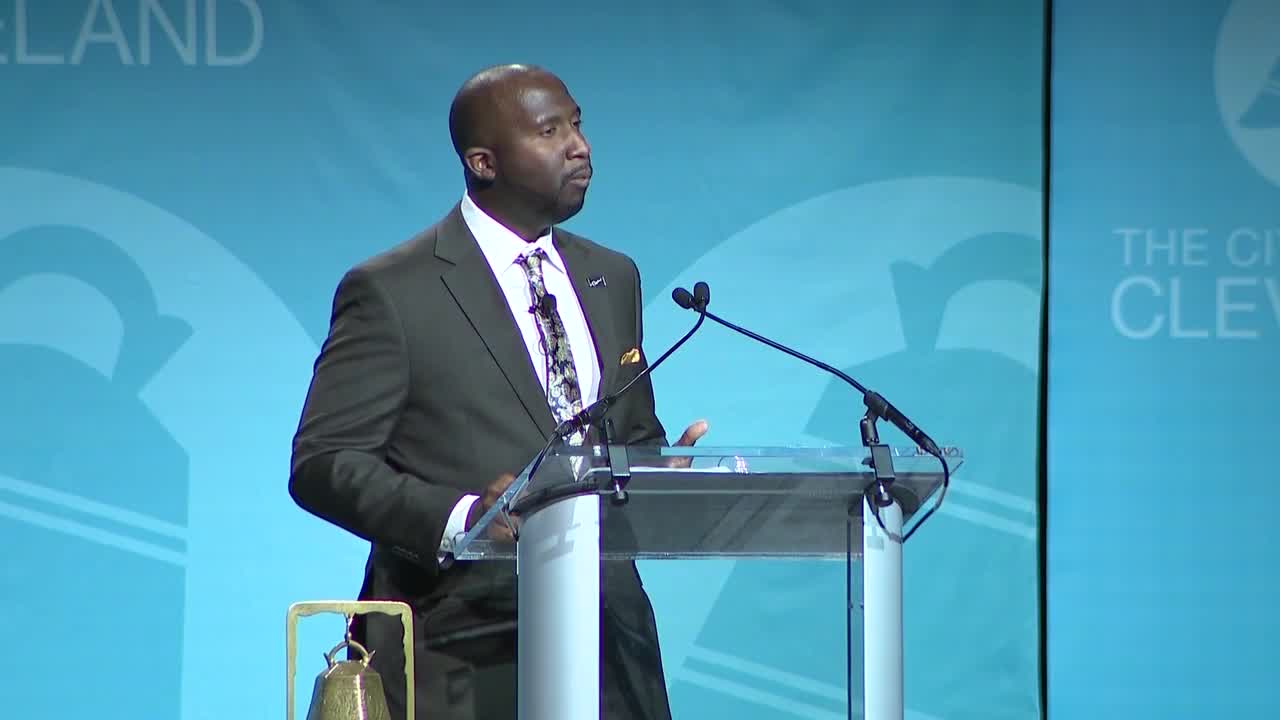
If approved, the plan would shape the future of the Cleveland Metropolitan School District for years to come. District administrators argue that concentrating students into fewer buildings would improve access to academic services, extracurricular programs, and support resources strained under the current structure.

“We cannot sustain a system built for twice as many students as we have today,” said the CEO of Cleveland Metro School District in a recent public meeting. “This plan allows us to reallocate resources where they can have the greatest impact on student learning.”
Opponents, however, worry that school closures could tear at the fabric of neighborhoods already struggling with population loss and economic hardship. Some families fear longer commutes and overcrowded classrooms, while local leaders warn about the long-term effects of shuttering community institutions.

The district has been hosting community forums over the past month to gather feedback and explore revisions before a final vote, expected in early December. Officials say they are reviewing multiple scenarios to minimize disruption while still achieving financial stability.
Cleveland’s challenges mirror those facing urban school systems nationwide, where demographic shifts and funding shortfalls are forcing districts to rethink how to serve smaller student populations. Whatever the outcome, the board’s decision will mark a turning point for one of Ohio’s largest public education systems.
