


The Wilmington City Council on Thursday voted to table final approval following a tense three-hour meeting that drew more than 200 residents. Dozens spoke against the plan, urging city leaders to slow the process and disclose more details about Amazon’s long-term water demands, tax incentives and expected energy usage.

“We’re not against progress, but we deserve honesty,” said longtime resident and small business owner Carla Jennings. “A project of this scale could change our town forever, and we still don’t have clear answers about what it will cost us.”
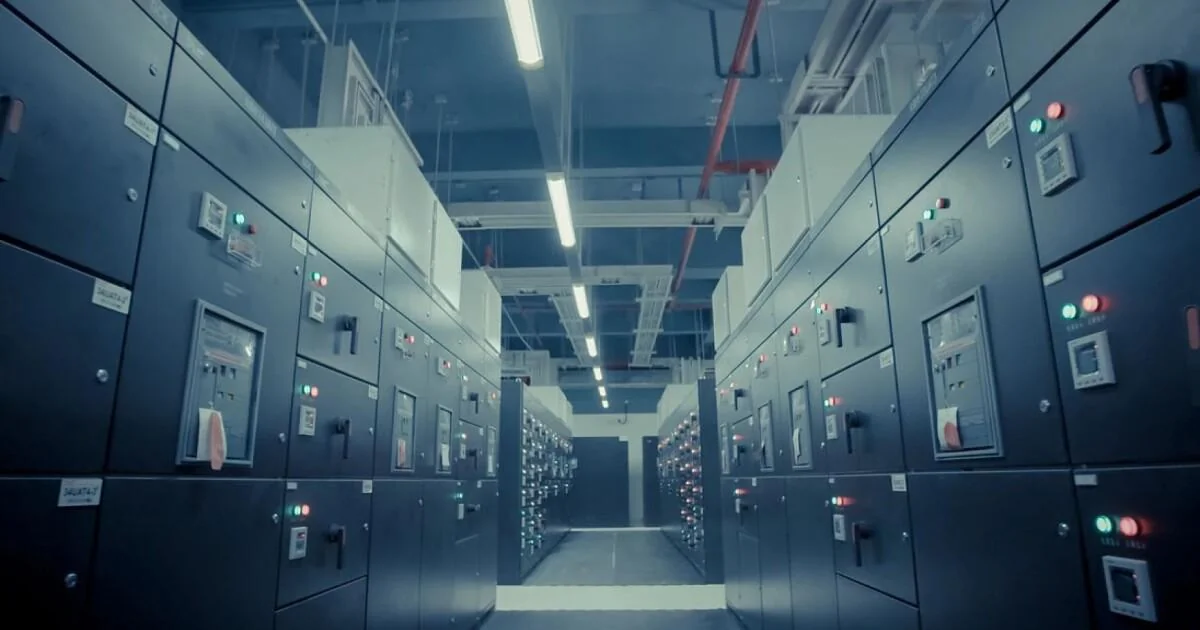
The proposed facility, which city officials have described as a crucial economic opportunity, would occupy more than 300 acres on the western edge of Wilmington. The project could bring hundreds of skilled construction jobs and up to 100 permanent positions once operational, according to preliminary proposals reviewed by the city’s zoning board.

But critics argue the potential economic benefits are overshadowed by sustainability concerns. Documents obtained through a public records request reveal Amazon’s projected daily water demand could exceed 1 million gallons, raising fears of strain on the city’s aging infrastructure and local aquifer.
Mayor John Stanforth defended the city’s negotiations, saying Wilmington is committed to both transparency and growth. “This project represents substantial investment in our community,” Stanforth said in an interview Friday. “We understand residents’ concerns, and that’s why we’re taking the time to get this right before moving forward.”

Environmental advocates, however, say the company’s assurances have done little to ease anxiety. “Amazon has a track record of prioritizing speed over accountability,” said Laura Perez, a policy analyst with the Ohio Environmental Council. “What Wilmington is doing — pressing pause — is exactly what every community should do before signing on to something this large.”
City officials have requested additional environmental and infrastructure impact studies before scheduling another vote, which is expected in early 2026.

Amazon representatives declined multiple requests for comment but previously stated in written materials that the company “is committed to building responsibly and maintaining open communication with host communities.”
Until then, the proposed data center stands as both a symbol of Wilmington’s economic ambitions and a flashpoint for debates about corporate transparency and rural sustainability in Ohio’s rapidly growing data infrastructure corridor.