


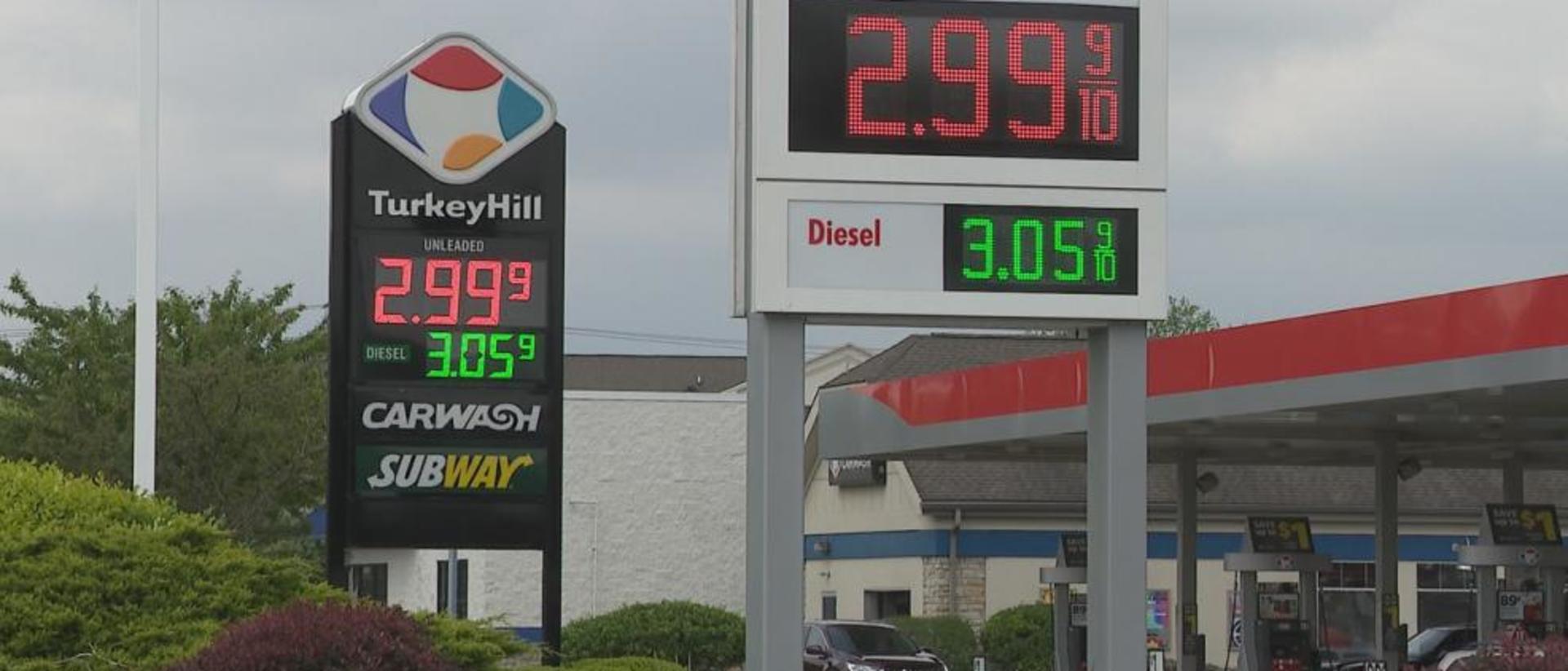
Average gas prices in many Ohio cities have seen notable declines, bringing welcome savings to drivers. Industry analysts point to a confluence of national and local factors contributing to the price slide.

The Seasonal Switch to Cheaper Fuel
The primary national driver for the price decrease is the annual transition from summer-blend to winter-blend gasoline.

* Cheaper to Produce: Winter-blend gasoline is less expensive to refine than its summer counterpart, which requires specific additives to reduce evaporation in warm weather to meet environmental standards. With the cooler temperatures of fall, refineries are now producing the more cost-effective winter blend, a savings that is passed on to consumers.
* Lower Demand: The busy summer driving season has officially concluded. As families finish their vacations and children return to school, the overall demand for gasoline naturally tapers off in the fall. This decline in demand creates downward pressure on prices.
“The switch to the cheaper winter gasoline and the seasonal drop in driving demand are the biggest engines of relief right now,” said Patrick De Haan, head of petroleum analysis at GasBuddy. “We’ve seen significant declines in ‘price cycling’ markets like Ohio, which is good news for motorists heading into the colder months.”

Crude Oil Prices Decline
The cost of crude oil—the single largest component of the retail price of gasoline—has also fallen, reinforcing the seasonal trend. Increased global oil production combined with a slowing of economic demand has tipped the supply-demand balance in favor of lower prices.

This drop in the raw commodity’s price is a major factor in the general downward trend for fuel prices nationwide, including in the Midwest.
Ohio’s “Price Cycling” Effect
Ohio’s gasoline market is also known for a pattern called price cycling. This local dynamic sees nearly all stations in a given area quickly raise their prices to a high, uniform amount, followed by a gradual decay as stations compete to lower prices until the cycle resets with another sudden spike.
The recent drops are part of the “decay” phase of this cycle, often resulting in dramatic short-term price plunges. For example, some areas of Central Ohio recently experienced an 18-cent drop per gallon in a short period. This frequent, sharp fluctuation means Ohio drivers often see more dramatic price movements than states with more stable markets.
What to Watch
While the trend is currently pointing toward lower prices, experts caution that several “wild cards” could reverse the course. These include:
* Geopolitical Events: Instability in major oil-producing regions can immediately impact the price of crude oil.
* Refinery Issues: Unexpected outages or disruptions at refineries in the Midwest or neighboring states could tighten supply and cause regional price spikes.
* Hurricane Season: A major storm hitting the Gulf Coast, home to a significant portion of U.S. refining capacity, could cause an immediate disruption to supply.
For now, analysts expect the decline to continue, with a strong possibility that the national average could fall below $3.00 per gallon this autumn, a mark that would be welcomed by Ohio residents. Drivers are advised to “buy low” and take advantage of the current price decay cycles.