


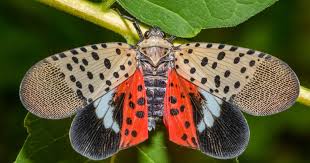

Ohio is now under a statewide quarantine aimed at slowing the spread of the invasive spotted lanternfly, a sap‑sucking insect that threatens the state’s vineyards, orchards and nursery industry.
Statewide order now in effect
The Ohio Department of Agriculture (ODA) this week activated a quarantine that covers all 88 counties, expanding what had previously been a patchwork of restrictions in just 18 counties. The order, effective Feb. 17, shifts Ohio from a targeted approach to a comprehensive mandate as spotted lanternfly populations grow and spread across the state.

“The spotted lanternfly is an invasive pest that is known to cause harm to Ohio’s agricultural industry,” ODA Director Brian Baldridge said in announcing the order. He said plant health specialists are working closely with nurseries, vineyards and other growers “to reduce the negative impact” of the insect on crops and landscapes.
What the quarantine requires
Under the quarantine, trees, nursery stock and other high‑risk plant products cannot be moved out of Ohio without a compliance agreement, permit or inspection certificate from the state. Producers shipping stock to areas that are not already regulated must have their products inspected, and each shipment must carry paperwork certifying it is free of spotted lanternflies.

State agriculture officials say the new rules are meant to prevent Ohio products from spreading the pest to neighboring states while also slowing its movement within Ohio. Businesses that need help understanding or complying with the certification process are being directed to contact ODA’s Plant Pest Control Section.
Threat to grapes, trees and crops
Spotted lanternflies, first detected in the United States in Pennsylvania in 2014 and confirmed in Ohio in 2020, are planthoppers native to Asia with distinctive spotted wings and bright red underwings. They feed on more than 70 plant species, including tree‑of‑heaven, black walnut saplings, apples and hops, but officials say the greatest concern is the damage they can inflict on grapevines and the state’s $6 billion wine and grape industry.

The insects weaken plants by feeding on sap and excreting a sugary substance that promotes sooty mold, leaving trees and vines stressed and more vulnerable to disease and other pests. State and local officials have warned that heavy infestations can also affect ornamental trees and backyard landscapes, raising costs for communities and homeowners.
Shift from reporting to management
For several years, Ohioans were urged to photograph and report suspected spotted lanternfly sightings to the state while stomping any bugs they found. With the insect now established in multiple regions, ODA is no longer asking for routine sighting reports and is instead steering residents to a Spotted Lanternfly Management Guide with treatment options for private property.

Ohioans are still being asked to kill the insects and destroy egg masses when they see them, but officials recommend that any chemical treatments be used carefully to avoid harming pollinators and other beneficial insects, especially when trees and shrubs are in bloom. Some systemic insecticides may only be applied by licensed commercial applicators or require specialized equipment, the agency cautions.
What residents can do now
Baldridge said there is no federal eradication plan for the spotted lanternfly, so Ohio’s strategy focuses on slowing its spread and protecting key industries. Homeowners are being urged to inspect vehicles, firewood, outdoor furniture and equipment for egg masses, scrape and destroy any they find, and avoid moving infested materials from place to place.
“We’re making every best effort to really protect our nursery industry, and also protect our friends and neighbors in other states,” Baldridge said, noting that Ohio is following federal guidance in designing its quarantine. He added that while the new order adds oversight and paperwork for growers and shippers, officials see it as a necessary step to keep the insect from becoming an even more costly problem for Ohio agriculture.