



Immediate Changes to Online Viewing

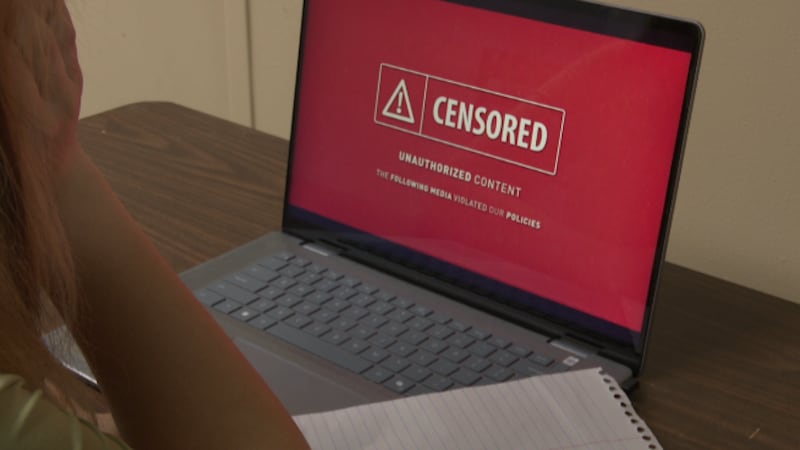
To watch internet pornography, users will need to submit proof that they are an adult.
The stated goal of the law is to protect minors. “We’re gonna preserve and protect the innocence of our kids here in the state of Ohio,” said state Rep. Josh Williams, R-Sylvania.

Age verification can be completed by submitting a photo of a state ID or by entering personal information into a third-party system. This system will then verify details using other online or government databases. The law also allows for the use of facial recognition technology to capture photos of users.
Companies that do not comply with the law will face penalties. The provision applies primarily to establishments centered on explicit content that generate a significant amount of revenue from it, but others that host pornography may also be subject to the law. News media organizations, as well as cable and streaming providers, have an explicit exemption.

Williams clarified that the law won’t impact social media sites like X (formerly known as Twitter) and Reddit, even though both of those platforms contain easily-accessible pornography.
Data Security and Privacy Concerns

The new law raises significant data security and privacy concerns for some Ohioans. Clevelander Mallory McMaster voiced her fear that the data collected for verification could be leaked.
This concern is amplified by recent events; in 2024 alone, hackers have stolen medical, financial, and legal data from at least hundreds of thousands of Ohioans at both the state and local levels, with many reported cyberattacks not publicly stating the full number of consumers impacted.
McMaster argues that this type of tracking goes too far, stating, “Creating a log of the pornography that we watch is not a direction that we want to go in as a country.”
Potential Impact on Content Availability
It is also likely that explicit video giant PornHub pulls out of providing content to Ohio. The company has removed some of its sites in states with age verification laws and, as of publishing, has pulled out of 17 states.