


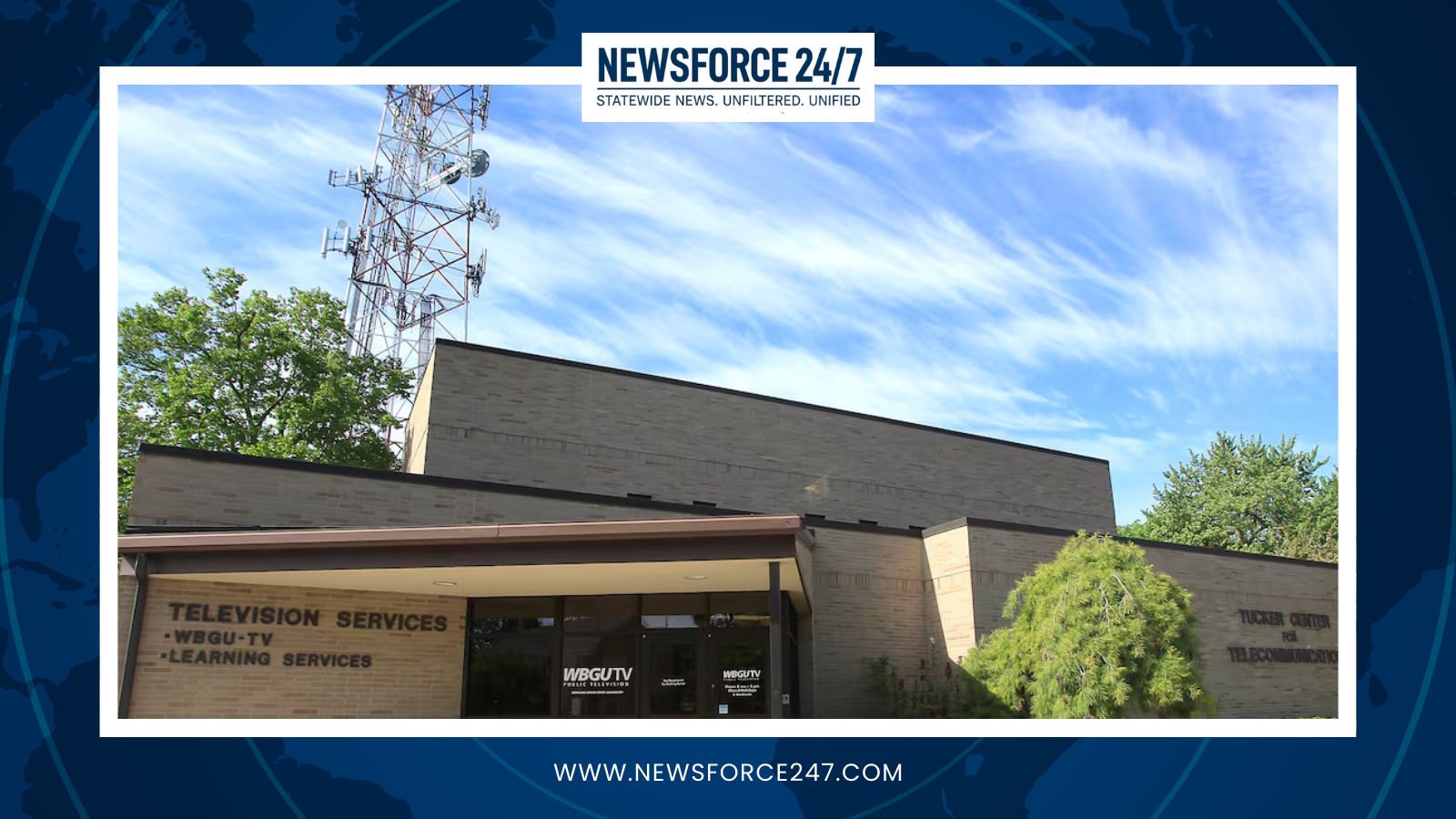

BOWLING GREEN, Ohio — WBGU-TV, the public television station operated by Bowling Green State University, will end its service as a Public Broadcasting Service (PBS) affiliate on June 30, 2026, following the loss of $1.1 million in federal funding.

The station, which has broadcast PBS programming to northwest Ohio for more than half a century, said the reduction in support from the Corporation for Public Broadcasting made continued operation unsustainable. University officials cited rising costs, aging equipment, and the changing digital landscape as factors influencing the decision.
“While this was not an easy choice, the financial realities simply no longer make the current model viable,” BGSU spokesperson Melissa Green said in a statement. “WBGU remains committed to educational outreach and community engagement, even as its programming evolves.”

The change will affect thousands of viewers in Wood, Hancock, and Allen counties, where WBGU-TV’s signal currently provides PBS programming. To avoid a disruption in access, WGTE Public Media in Toledo is applying to become the designated PBS provider for regional cable and satellite systems that currently carry WBGU.
WGTE officials said the organization is working with PBS and local providers to ensure continuity of service in areas including Bluffton and Lima. “Our priority is to make sure audiences in northwest Ohio continue to have free access to the trusted news, education, and children’s programming that PBS offers,” WGTE President and CEO Haley Taylor said.

Viewers who rely on over-the-air broadcasts may need to rescan their televisions after the transition, depending on the outcome of WGTE’s application and subsequent coverage adjustments. Cable and streaming viewers could see the new channel lineup take effect later this summer.
Station leaders said WBGU will continue some local productions, including university-centered content and educational segments, but broader PBS programming will no longer be part of its schedule starting July 1.

Federal funding for public media has come under renewed scrutiny in recent years, with several rural and university-operated stations citing financial strain from reduced grants and increasing operational expenses.
BGSU officials said additional information about WBGU-TV’s future programming plans will be released in the coming months.