


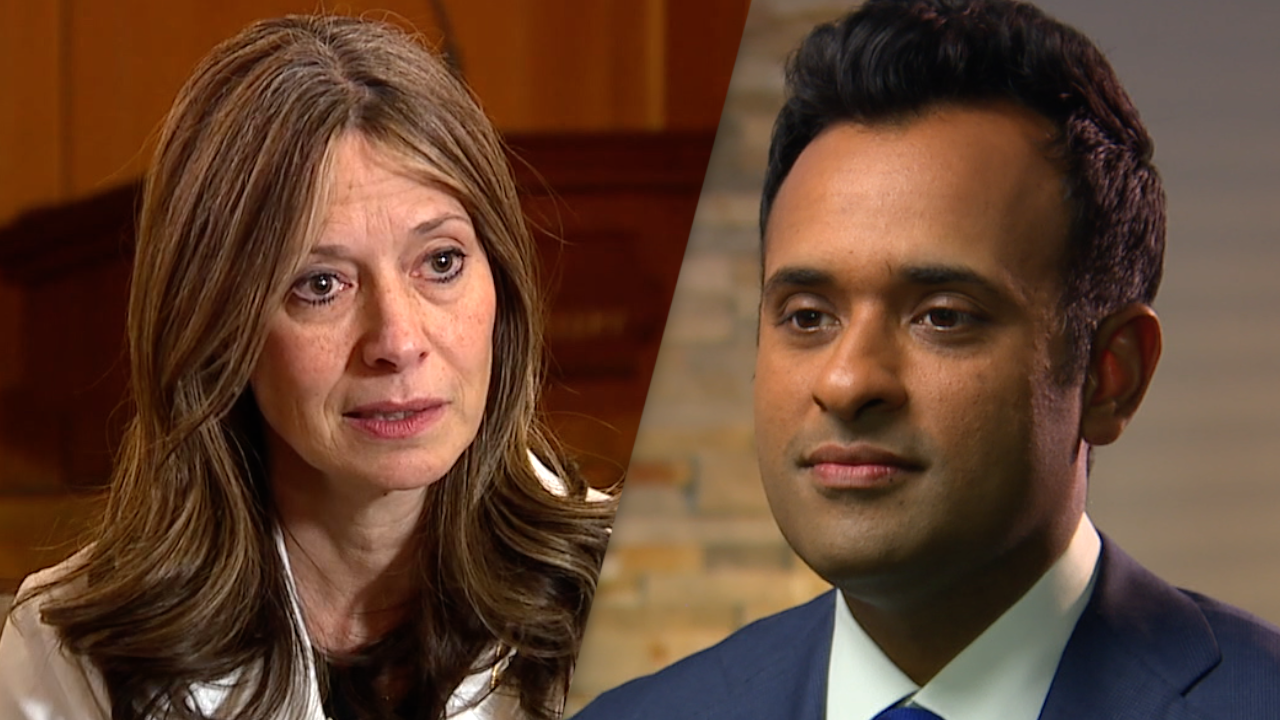

The race for Ohio governor is narrowing in on voters’ wallets as both major-party frontrunners promise sweeping tax relief while offering few specifics on how they would pay for it. Republican businessman Vivek Ramaswamy and Democratic former health director Dr. Amy Acton are each vowing to cut taxes and lower everyday costs, setting up a high‑stakes clash over fiscal policy ahead of the 2026 election.
Big promises on tax cuts
Ramaswamy has made tax cuts the centerpiece of his campaign, repeatedly pledging to drive Ohio’s income tax “eventually down to zero” and deliver what he calls the largest property tax rollback in state history. He has argued that allowing Ohioans to keep more of what they earn would attract new residents and businesses and help make the state “the most affordable” in the country.

Acton, meanwhile, has emphasized lowering costs on necessities such as groceries, gas, health care and energy, framing her plan as relief for “everyday expenses” rather than across‑the‑board tax cuts. Her campaign says she is committed to fully funding public schools and strengthening essential services even as she seeks to ease the burden on working families.

Funding questions grow louder
Despite the bold rhetoric, neither campaign has laid out a detailed roadmap for how the state would absorb the lost revenue from major tax reductions. Ramaswamy has spoken broadly about cutting regulations, reducing government waste and expanding the economy, but has not specified which programs would be reduced or eliminated to offset a zero‑income‑tax goal and deep property tax cuts. Fiscal analysts note that income and property taxes support schools, local governments and public safety, and warn that replacing those dollars could require significant spending cuts or hikes in other taxes such as the sales tax.
Acton faces similar scrutiny from budget experts and opponents who question how she would simultaneously lower household costs and fully fund education, local services and anti‑corruption efforts. While she has criticized what she calls a Statehouse that “caters to billionaires” and has blamed past tax policies for shifting burdens onto property owners, she has not yet specified which tax breaks she would roll back or which new revenues she would seek.

Competing visions for Ohio’s future
The contrast between the candidates reflects deeper disagreements over the role of state government in shaping Ohio’s economy. Ramaswamy casts his plan as a pro‑growth reset that would put Ohio in competition with states that have already eliminated income taxes, arguing that a lighter tax and regulatory load would revive innovation and investment. Acton presents her agenda as a bid to rebalance the system toward working families by lowering everyday costs while investing in schools, health care and public safety, and by cracking down on corruption she says has distorted tax policy.
With the race expected to be one of the most expensive in state history, the dueling tax‑cut messages are likely to dominate the airwaves and town halls in the months ahead. For voters, the central question may not be whether they want lower taxes or cheaper bills, but which candidate can convincingly explain how to deliver that relief without blowing a hole in the state budget.
