


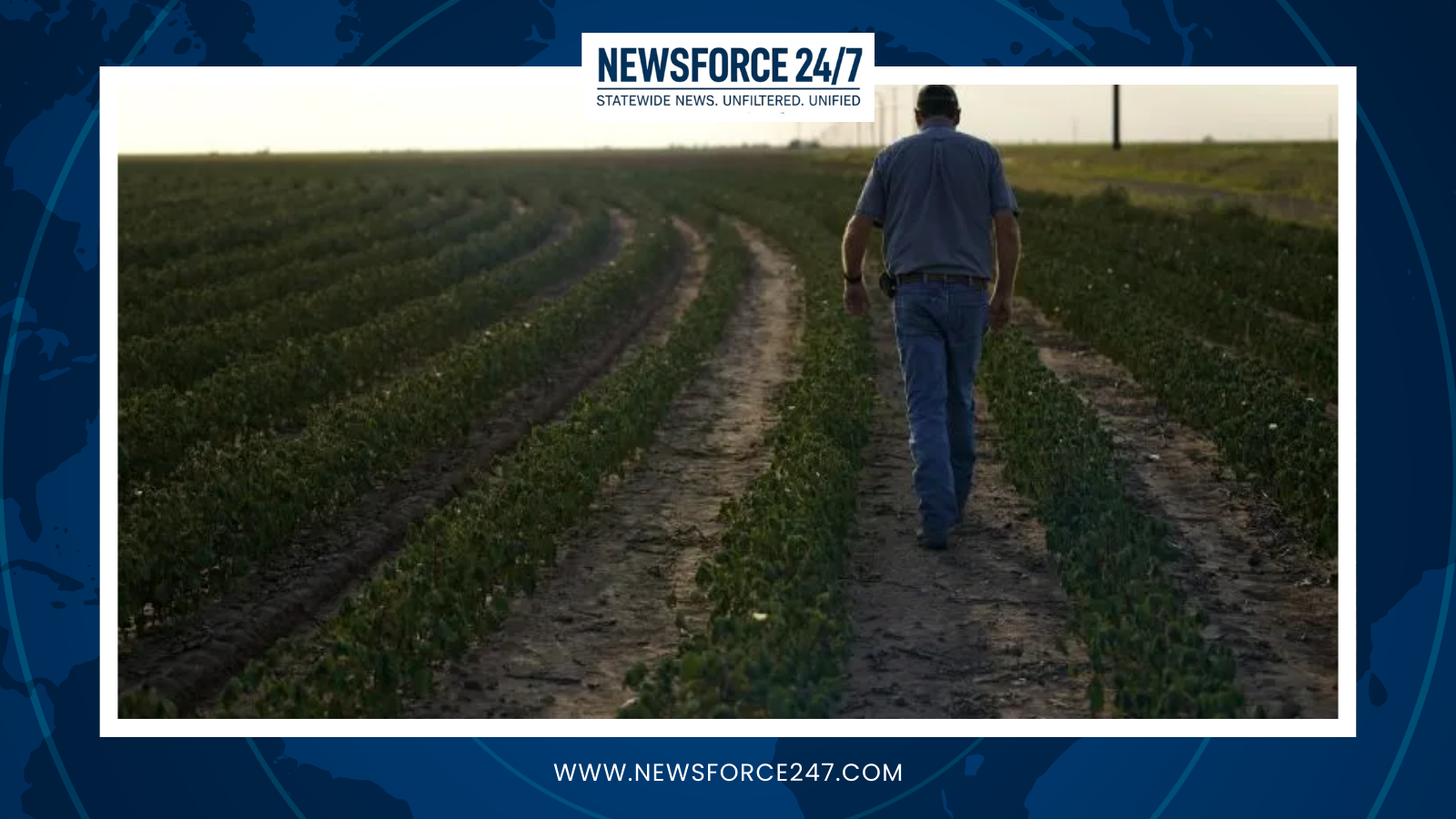

Global shock hits home
The latest conflict with Iran has effectively shut down shipping through the Strait of Hormuz, a narrow chokepoint that carries about one‑third of globally traded fertilizer nutrients and roughly 20% of the world’s petroleum liquids. The region accounts for nearly half of global urea exports and about 30% of ammonia exports, critical ingredients for nitrogen fertilizer that U.S. corn and wheat growers rely on every spring. As tankers have largely stopped moving through the waterway, fertilizer plants in the Middle East have curtailed output and shipping routes have been severely disrupted, tightening supplies just as Northern Hemisphere farmers prepare to plant.
Industry analysts say the market reaction has been “sharp and swift,” with nitrogen prices jumping in major hubs in a matter of days. In some inland terminals in the Midwest, urea offers jumped by more than $130 per ton within a week of the first attacks, while traders in the Gulf Coast and New Orleans reported similar spikes. At the same time, diesel futures have climbed to two‑year highs, reflecting both the oil supply risk and the added costs and insurance premiums for vessels willing to transit near the conflict zone.

Sticker shock for spring inputs
The result is a new round of sticker shock for farmers who had only just begun to see some relief from the fertilizer and fuel inflation that followed Russia’s invasion of Ukraine. Farm groups say quotes for key fertilizers, including urea and anhydrous ammonia, are up 15% to 25% since fighting began, with some dealers warning they cannot guarantee availability beyond current inventory. One fertilizer analyst told Farm Journal that prices in some markets jumped more than $100 per ton in 24 hours and that it is “not even clear that product is truly available at those levels.”
Fuel is adding another layer of pressure. About 20% of the global supply of petroleum liquids normally flows through the Strait of Hormuz, and with that traffic now largely halted, benchmark diesel prices have surged, feeding directly into higher costs for running tractors, trucks and grain dryers. For row‑crop producers preparing to make multiple passes across their fields in April and May, higher pump prices could add tens of thousands of dollars in additional expense for larger operations.

Tight margins, tough decisions in Ohio
Economists say the timing could hardly be worse for Ohio producers, who already face a year of thin or negative profit margins after softer corn and soybean prices and rising interest and labor costs. An early‑year ag outlook from Ohio farm leaders noted that costs for livestock, labor and interest were still climbing even before the latest conflict, while earlier declines in fertilizer and fuel prices had been a rare bright spot heading into 2026. Now, those gains are evaporating, leaving growers to rework budgets as they finalize planting decisions.

Producers listening to national briefings by the American Farm Bureau Federation this week say they are worried they will have to cut back on fertilizer applications, switch to less nutrient‑hungry crops or delay purchases in hopes that prices settle. Some are considering shifting acres from corn to soybeans, which typically require less nitrogen, or trimming planned applications to the bare minimum recommended by university extension guides, even if that risks lower yields. “We’re getting somewhat late in the season, and many of our inputs are already committed to the crop acreage we have planned,” one Pennsylvania grower said during a Farm Bureau call, voicing concerns shared across the Corn Belt.
Supply chain fears and policy pressure
Beyond prices, farmers and ag retailers are increasingly anxious about whether enough product will physically arrive in time for spring fieldwork. Analysts warn that nitrogen shipped through the Middle East in mid‑March is normally slated to reach North America in April, a crucial window for pre‑plant and sidedress applications; with tankers sidelined and ports on edge, those shipments are now at risk of arriving late or not at all. Some U.S. dealers are scrambling to source additional tons from other regions, but rerouting global trade takes time, and competition from Europe and Asia is fierce as all buyers chase a shrinking pool of available supply.
Farm groups are urging the federal government to step in, both to secure shipping lanes and to scrutinize the domestic fertilizer market for possible price gouging. The U.S. Department of Justice has already opened an investigation into major fertilizer companies after earlier price spikes, and farmer advocates have renewed calls for the Navy to escort key cargoes through the Strait of Hormuz and for tariffs on some imports to be eased. While such moves could help stabilize costs over time, Ohio growers facing muddy fields and a narrowing planting window say they need clarity within weeks, not months.
Watching the calendar – and the war
For now, many producers are in a holding pattern, watching both the weather forecast and the headlines from the Persian Gulf. If the conflict drags into April and tanker traffic through Hormuz remains a fraction of normal volumes, economists warn that fertilizer and fuel prices could remain elevated through the entire growing season, eroding income and potentially pushing some highly leveraged farms deeper into the red. A shorter conflict, or a partial reopening of the strait under international escort, could ease market fears and bring some relief to input prices before the busiest weeks of planting.
Either way, the episode underscores how tightly Ohio’s farm economy is tied to distant geopolitical flashpoints. From diesel in the fuel tank to nitrogen in the soil, critical pieces of the spring planting puzzle now depend on the fate of ships half a world away, leaving producers to make high‑stakes decisions under unprecedented uncertainty.