


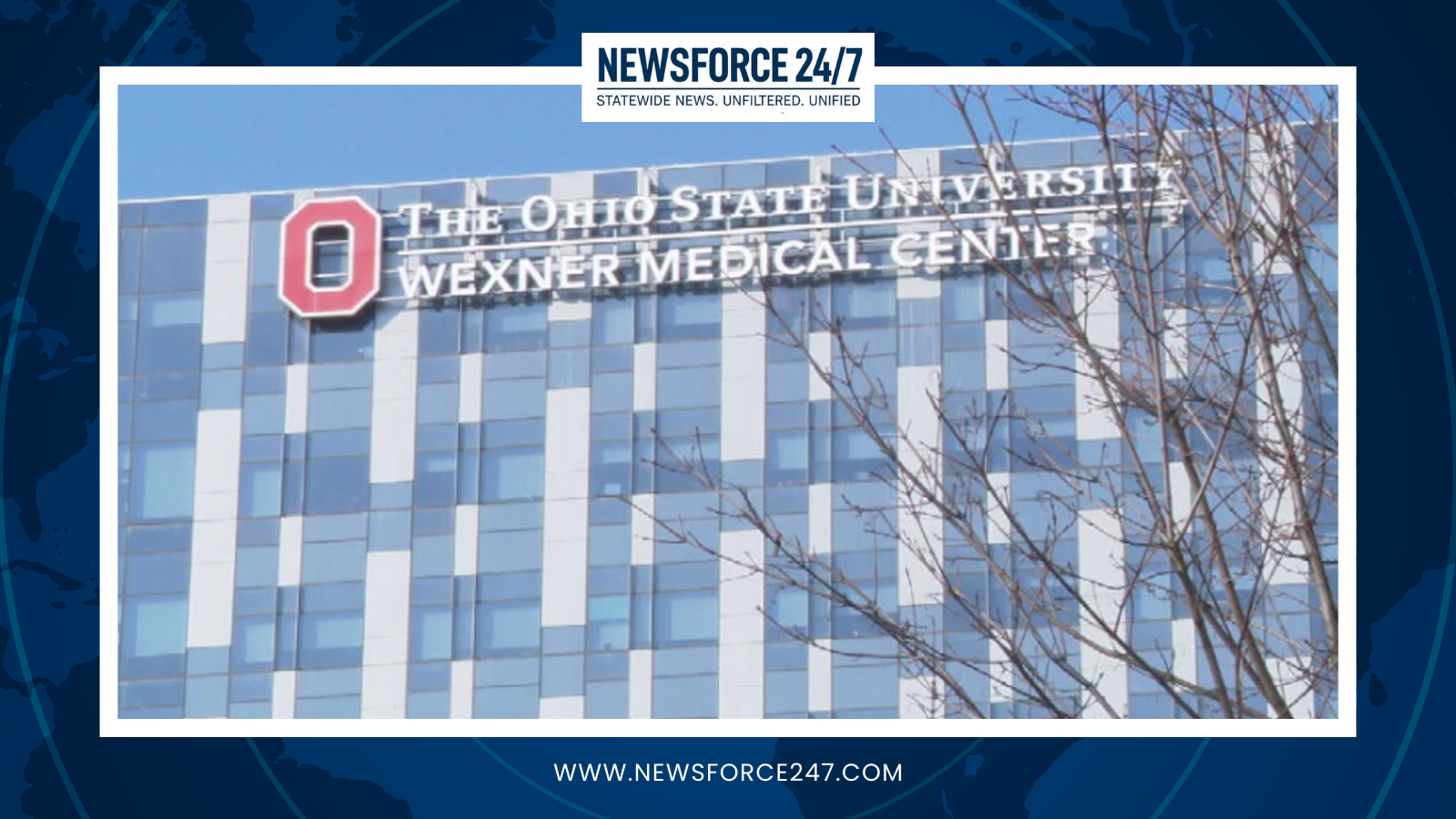

COLUMBUS, Ohio — Protests and political pressure intensified this week at Ohio State University following newly released testimony from billionaire businessman Les Wexner to the U.S. House Oversight Committee, reigniting controversy over his philanthropic legacy and ties to the late financier Jeffrey Epstein.

A 36‑foot banner reading “Oust Wexner” was unfurled Wednesday from the Knowlton School of Architecture, visible across the university’s main oval. Student demonstrators said the display was intended to demand accountability from university leaders and call for the removal of Wexner’s name from campus facilities, including the Wexner Medical Center and Wexner Center for the Arts.
“Students deserve a university free from names tied to scandal,” said Maya Torres, a third‑year political science major who helped organize the demonstration. “We’re not calling to erase history — we’re asking for integrity.”

The protest followed public release of portions of Wexner’s deposition to congressional investigators examining Epstein’s financial networks and political influence. While Wexner has denied wrongdoing and said he severed ties with Epstein nearly two decades ago, activists argue his testimony has renewed unanswered questions.
University spokesperson Laura Jackson said officials are “monitoring campus activity” and emphasized that Wexner’s philanthropic contributions have “had a lasting impact on research, health care, and the arts.” Jackson noted that any decision to rename buildings must follow a formal review process overseen by the Board of Trustees.

At the Statehouse, lawmakers appeared split on how far that process should go.
Rep. Danielle Frazier, D‑Columbus, called for the university to “reconsider any public honors connected to Wexner,” arguing that institutions must “reflect the values of transparency and accountability.” But Sen. Mark Reynolds, R‑Cincinnati, cautioned against what he termed “reactionary politics,” saying donors who have given “billions in legitimate philanthropy” should not be judged solely by association.

The renewed scrutiny puts pressure on both Ohio State and state officials as debates over donor influence, ethics, and institutional reputation continue to roil higher education nationwide.