


A Policy Shift Toward Uniformity

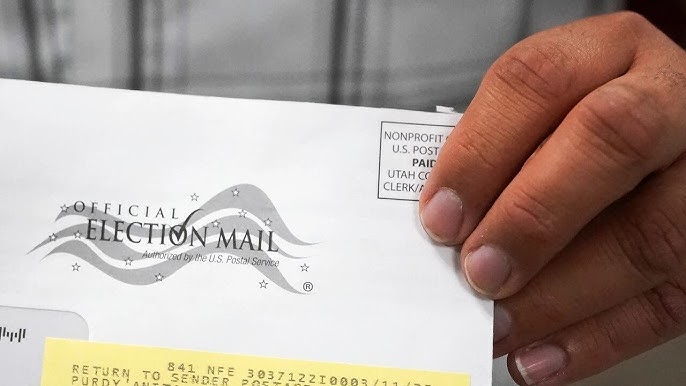
Under existing Ohio law, absentee ballots postmarked by Election Day and arriving within four days afterward are still valid. The new legislation would eliminate that four-day window, effectively moving the cutoff to the moment polls close. Supporters describe the measure as a move toward consistency, arguing that all forms of voting—whether in person or by mail—should abide by the same timeline.
Senate Majority Leader Michael Rulli, who sponsored the bill, said the adjustment is designed to streamline election administration. “This proposal ensures that every vote is treated equally under the law,” Rulli said during floor debate. “It also allows Ohioans to have results that are timelier and more transparent.”

Republican lawmakers echoed that sentiment, noting that other states have successfully implemented similar deadlines without major disruptions. They assert that quicker reporting of results can bolster confidence in election outcomes—a recurring policy goal since the 2020 presidential election heightened scrutiny of ballot handling practices.
Critics Cite Equity and Access Concerns

Opponents, including Democratic legislators and voting rights groups, argue that the proposed change tightens deadlines in ways that risk disenfranchising certain voters. They point out that relying solely on mail delivery times introduces uncertainties beyond the voter’s control, particularly for residents in rural areas, those serving in the military, students voting from out of state, or people who face transportation barriers to drop boxes and polling places.
Senator Kent Smith of Euclid said during debate that the measure could punish voters for postal delays, not for failing to meet voting obligations. “When someone does everything right—fills out their ballot, drops it in the mail before Election Day—but it arrives a day late, that shouldn’t cost them their vote,” Smith said.

Voting access organizations, including the League of Women Voters of Ohio, have also voiced reservations. They argue the proposal may create confusion among voters accustomed to the postmark-based deadline, requiring significant public education campaigns to avoid accidental disqualification of ballots.
Administrative and Political Implications
Election officials across the state have offered mixed reactions. Some local boards welcome the potential for earlier ballot returns, saying it would simplify tabulation and reduce post-election workload. Others caution that the shift could require additional outreach, staff training, and system updates to implement smoothly before 2026.
Policy experts note that while the bill appears procedural, it reflects a broader national pattern: states tightening mail ballot rules amid a push to finalize results more swiftly. States such as Florida and Texas already require ballots to arrive by Election Day, whereas others, including California and North Carolina, allow several days for mailed ballots to reach election offices after the polls close.
If approved by the Ohio House and signed by Governor Mike DeWine, Senate Bill 293 would make Ohio part of a smaller group of states with an Election Day receipt rule. The legislation could reshape how campaigns and voters plan around absentee voting—particularly regarding when ballots are mailed, and how much faith voters place in postal delivery timelines.
What Comes Next
The measure now heads to the Ohio House of Representatives, where lawmakers may propose amendments to address voter notification and implementation logistics. Debate is expected to continue as advocates on both sides press their cases: one focusing on efficiency, the other on voter accessibility.
While the policy itself may appear technical, the political consequences are anything but minor. Once again, questions about how and when votes are counted are placing Ohio at the center of a national conversation about balancing election security with voter access—a discussion that will likely continue well beyond the next election cycle.