


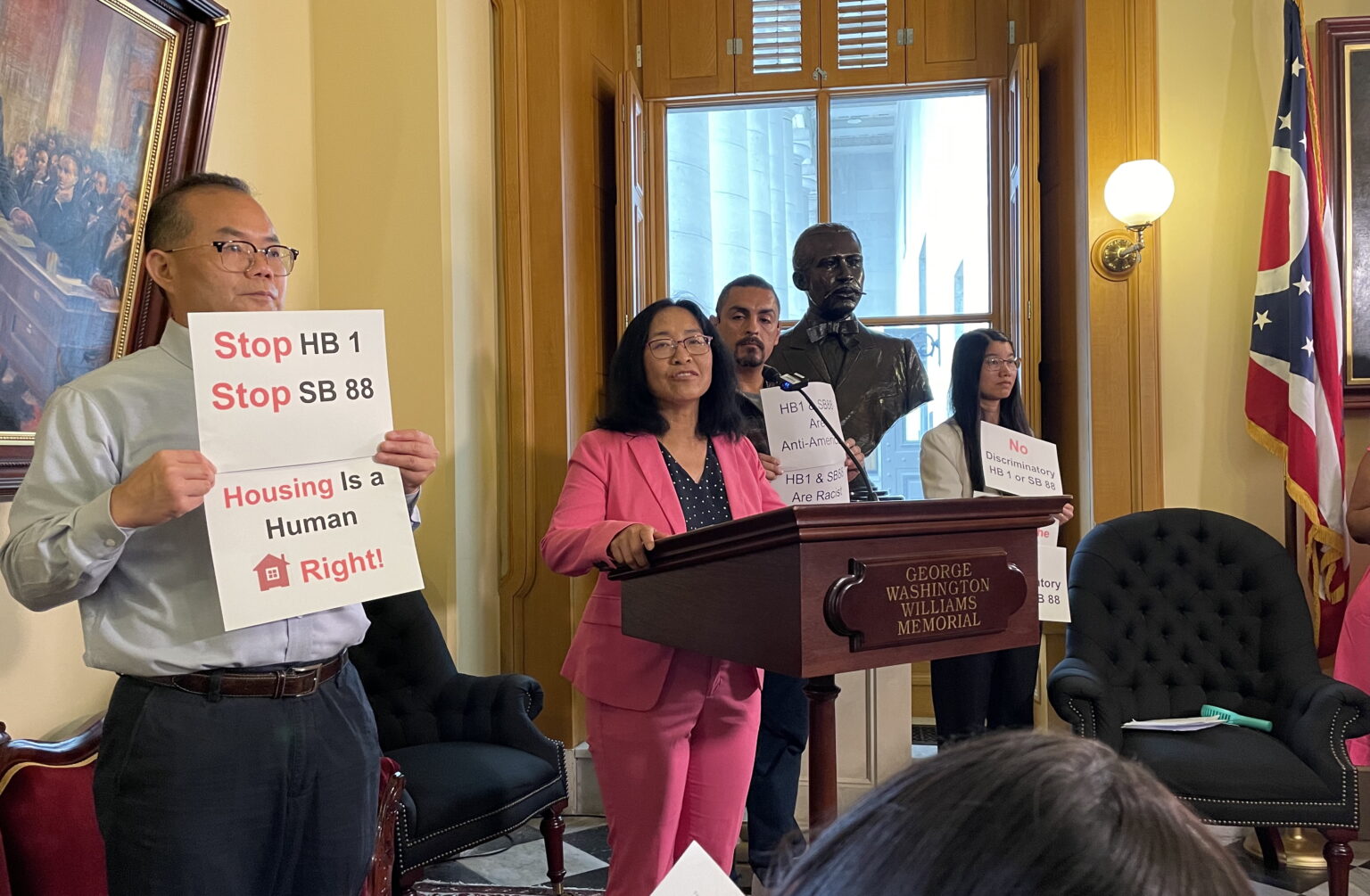
Sponsored by Republican leaders in the Ohio House, HB 1 defines “foreign adversaries” based on federal designations by the U.S. Department of Commerce. The bill would bar individuals, companies, or government-linked entities from countries including China, Russia, Iran, and North Korea from acquiring land in areas surrounding military bases, power plants, airports, water treatment facilities, and other vital utilities.

Supporters say the proposal is necessary to protect national security and ensure foreign governments do not gain proximity to sensitive defense or infrastructure assets. “This is about safeguarding Ohio’s strategic interests and preventing potential espionage or sabotage,” said Rep. Mark Hansford (R-Licking County), a co-sponsor of the measure. “We welcome international investment that supports Ohio jobs—but not at the expense of our security.”
Democrats and some agricultural organizations, however, have raised concerns about unintended economic consequences, particularly for farmers and businesses that rely on global investment. “Foreign-owned agriculture represents a small fraction of land in Ohio, and many foreign companies operate responsibly under U.S. law,” said Rep. Alicia Morales (D-Toledo). “Blanket prohibitions could harm legitimate businesses and discourage trade.”

Legal experts note that several other states, including Texas, Florida, and North Dakota, have recently passed comparable restrictions. But they caution that enforcement and constitutional challenges remain possible, especially around defining which entities qualify as “foreign adversaries” and how ownership structures will be tracked.
The legislation directs the Ohio Department of Agriculture and the Attorney General’s office to develop reporting and enforcement mechanisms, including penalties for noncompliance. Property purchases made before the bill’s effective date would be grandfathered in but subject to disclosure requirements.

Public hearings are expected to continue through the legislative session, with both chambers signaling the measure could move quickly in early 2026. If passed, Ohio would become one of more than a dozen states imposing new limits on foreign ownership of property near strategic infrastructure.