



Partnership Details
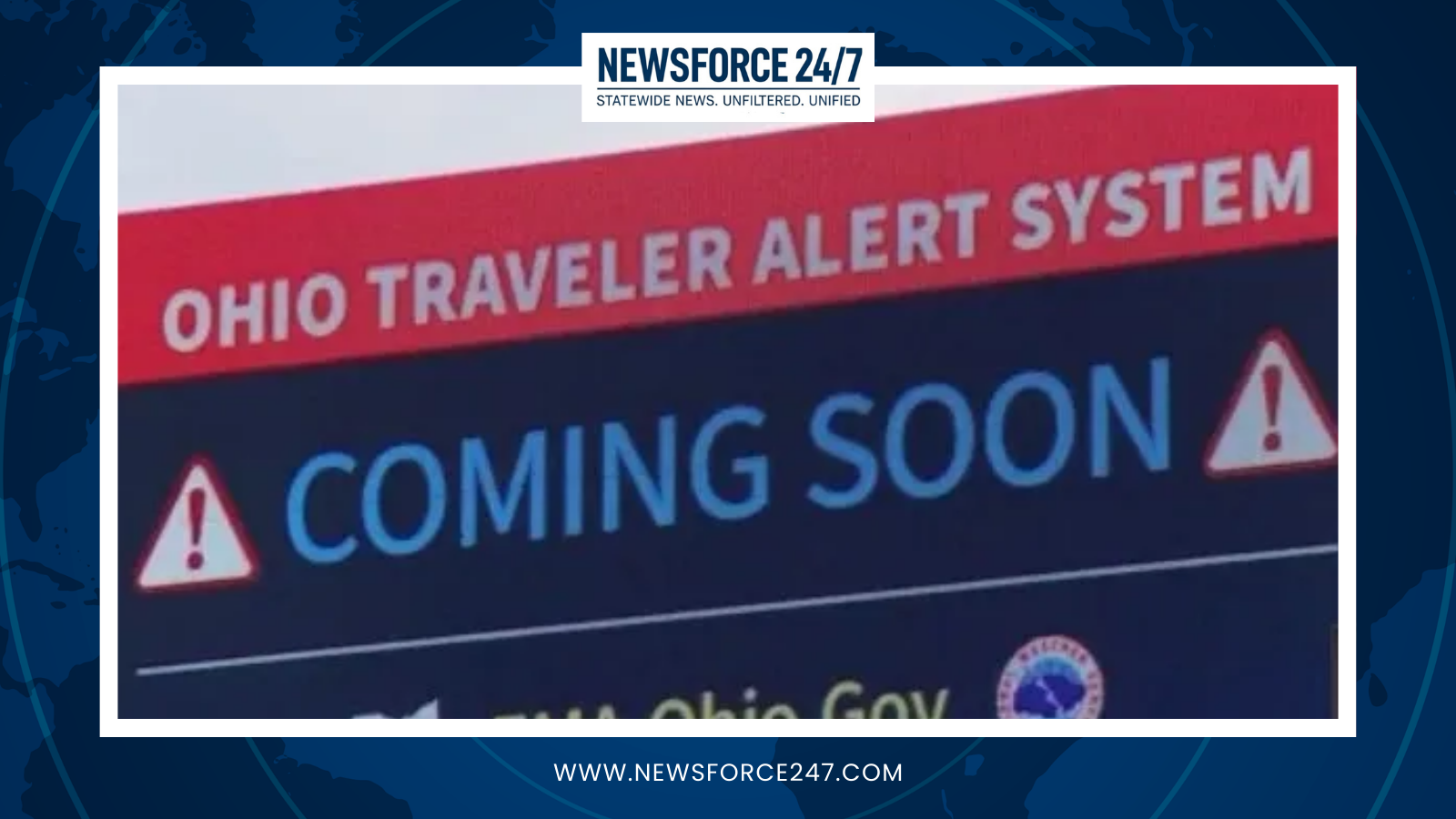
The collaboration aims to provide critical “heads-up” information on highways and major routes, reducing risks from sudden weather changes. Ohio EMA announced the expansion recently, building on the system’s existing framework to cover more urban areas across the state. Digital billboards, often operated by private companies, will flash warnings such as road closures, icy conditions, or severe storm alerts, directly tied to NWS forecasts.

Coverage Areas
-
Cincinnati metro: Targets interstates like I-71 and I-75 for southwestern Ohio commuters.
-
Cleveland area: Expands to I-71, I-77, and I-90, addressing Lake Erie snow squalls.

-
Columbus region: Focuses on I-70 and I-270, central Ohio’s busiest corridors.
-
Dayton vicinity: Covers I-75 and US-35 for the Miami Valley.

-
Toledo zone: Includes I-80/90 (Ohio Turnpike) and I-475 for northwest routes.
This rollout comes amid Ohio’s active severe weather season, with recent announcements highlighting its timely launch.

Safety Impact
By displaying alerts before conditions worsen, the system empowers drivers to adjust plans, slow down, or exit roads proactively. Ohio EMA emphasizes that timely warnings can prevent accidents, especially in winter when visibility drops rapidly. Officials note this builds on past efforts, like eclipse traffic coordination, to integrate weather data statewide.
How It Works
Signs activate automatically based on NWS triggers for high-impact events, such as blizzards or flash floods. Messages are concise—e.g., “Heavy Snow Ahead: Reduce Speed”—and rotate with traffic info. The partnership leverages private signage for broader reach without new infrastructure costs.
This expansion underscores Ohio’s commitment to proactive emergency communication, keeping residents safer on the roads when weather strikes hardest.