


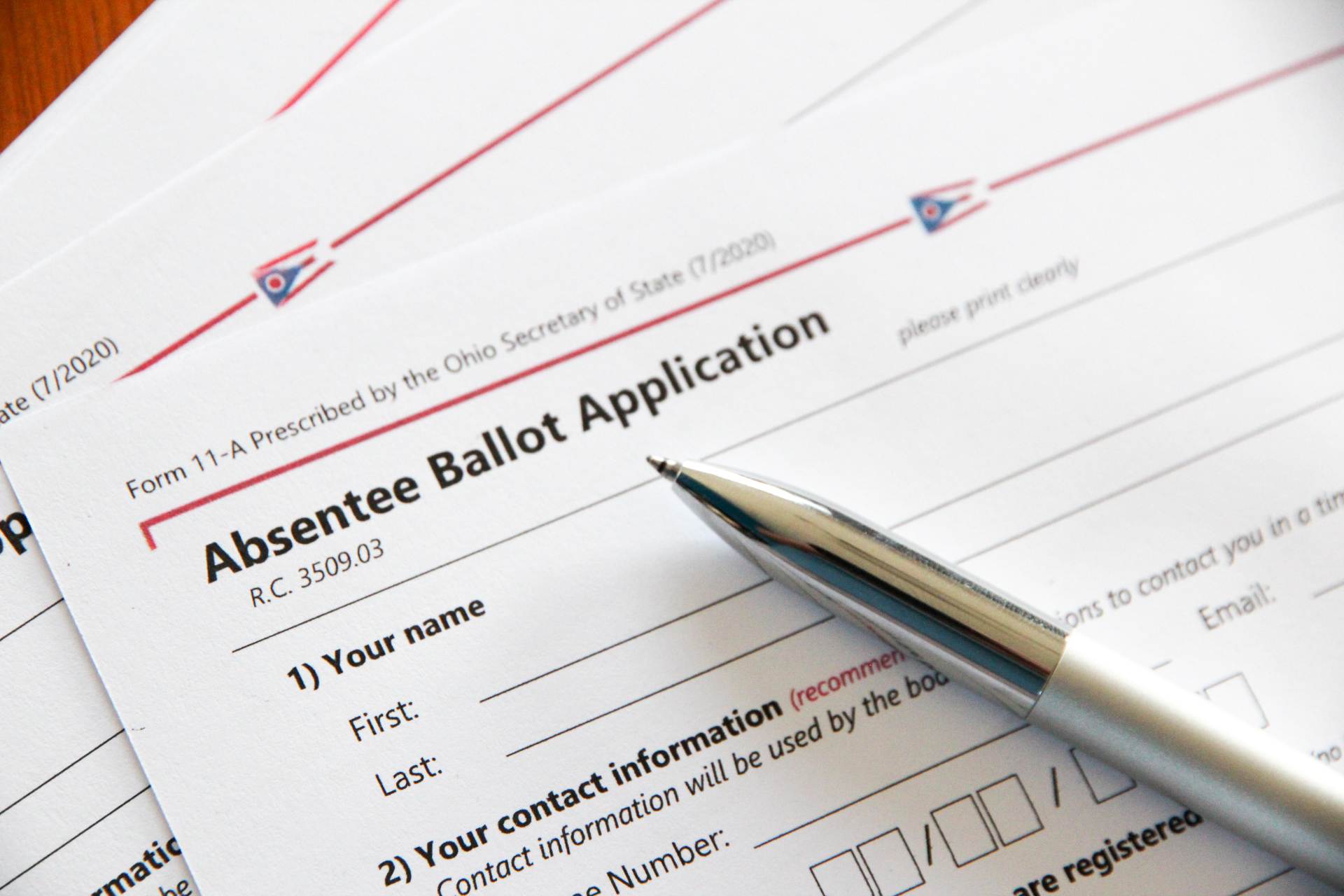
While proponents of the bill argue it will enhance election integrity and streamline the ballot-counting process, the measure has already drawn sharp criticism, particularly from groups representing military personnel and overseas voters.

Currently, Ohio law provides a grace period for absentee ballots from military and overseas citizens, acknowledging the unique logistical challenges they face. Advocates for these voters express deep concern that the proposed stricter deadline would disenfranchise many who serve the country abroad or are deployed in active duty zones.
“This bill, while perhaps well-intentioned for domestic voters, completely overlooks the realities faced by our men and women in uniform serving overseas,” stated Sarah Jenkins, a spokesperson for ‘Ohio Votes for Vets.’ “Mail from overseas can be unpredictable. To demand that a ballot be received by 7:30 PM on Election Day, regardless of its postmark, is to effectively tell many of our service members their vote doesn’t count.”

One retired Army veteran, Michael Rodriguez of Cleveland, echoed these sentiments, sharing his own experiences of voting from abroad. “I’ve served in Afghanistan and Iraq. Getting mail in and out was a constant challenge. Sometimes it took weeks. If this bill passes, countless soldiers, sailors, airmen, and marines will be unfairly stripped of their right to vote simply because of where their duty takes them.”
Republican sponsors of the bill, including State Senator Mark Thompson (R-District 14), contend that the legislation is about ensuring timely election results and preventing potential delays. “We believe that the integrity of our elections is paramount,” Senator Thompson said in a press conference yesterday. “This bill ensures that all ballots are accounted for and processed efficiently, allowing for election results to be finalized more quickly and with greater confidence.”

When pressed on the concerns regarding military and overseas voters, Senator Thompson suggested that mechanisms could be explored to ensure their votes are still cast, but did not offer specific amendments or solutions. “We are always open to discussions about how to best accommodate all eligible voters,” he added, “but the core principle of a firm receipt deadline for all ballots remains central to this legislation.”
Critics, however, argue that the current system already includes safeguards and that the potential disenfranchisement of service members is too high a price to pay for what they see as a marginal gain in election speed. They point to existing provisions that allow for electronic ballot delivery and return for certain military and overseas voters as methods that could be further expanded rather than imposing blanket restrictions.

The bill is expected to face a contentious journey through the Ohio General Assembly. As debates over election security and access continue to intensify nationwide, Ohio’s proposed absentee ballot reforms are poised to become another flashpoint in the ongoing discussion about the future of voting rights. Veteran advocacy groups are already mobilizing to oppose the measure, vowing to make their voices heard as the legislation moves forward.