


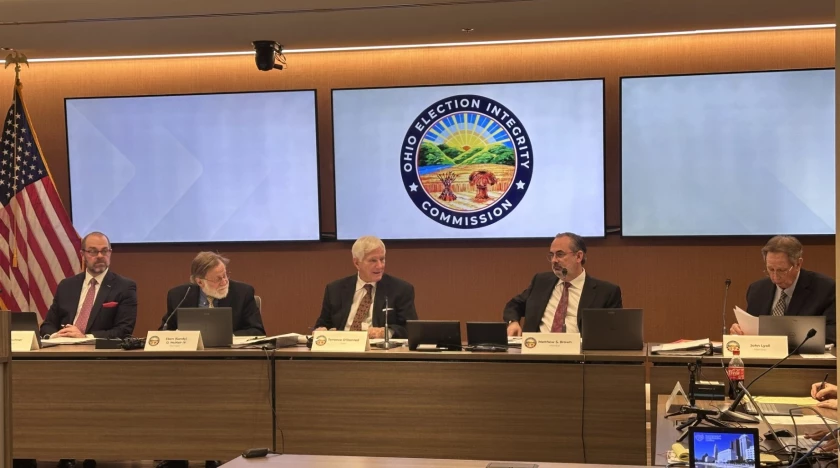
The new commission, established through legislation passed last year, was designed to bolster public confidence in the electoral process. Under its broader authority, the panel can now initiate investigations into potential violations, impose civil penalties, and recommend criminal referrals to the attorney general’s office when warranted.

State officials say the change reflects both the growing complexity of modern elections and heightened voter scrutiny. “This commission’s job is to ensure transparency, fairness, and accountability across all levels of the electoral process,” said Secretary of State Frank LaRose in a statement. “Ohio voters deserve to know their elections are being run honestly and efficiently.”
Each of the five commissioners was appointed by a bipartisan selection process led by the governor and confirmed by the Ohio Senate. The group will hold its first public meeting later this month in Columbus, with an agenda expected to include the adoption of internal procedures, ethics guidelines, and a review of pending campaign finance cases inherited from the previous body.

Good-government advocates have cautiously welcomed the new commission, though some warn that expanded powers must come with robust transparency. “Stronger oversight is good only if it’s balanced with public accountability and access,” said Catherine Lewis, director of the Ohio Voter Rights Network. “We’ll be watching closely to see how this new body uses its authority.”
The Ohio Election Integrity Commission’s first year will serve as a test of how effectively the new model can adapt to challenges such as digital campaigning, political spending transparency, and election misinformation.
