


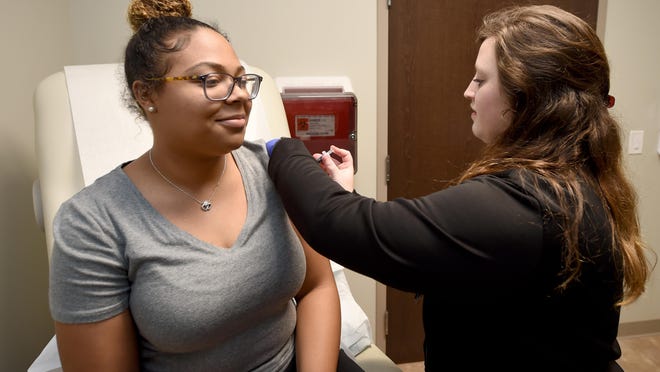
According to the Department of Health, the newly identified strain, though not more severe than previous years, is spreading quickly and may diminish the effectiveness of last year’s vaccine. Dr. Karen Liu, the state’s chief epidemiologist, emphasized that updated vaccines remain the best line of defense.

“Getting vaccinated now can significantly reduce both infection risk and symptom severity,” Liu said. “Even with changes in the virus, vaccination protects communities and helps prevent hospital overcrowding.”
Across the state, many residents are encountering obstacles in accessing vaccines, particularly in smaller towns where pharmacies have closed or reduced hours. Local health departments are working to arrange mobile clinics and extended weekend hours to meet growing demand.

Pharmacy representatives cite staffing shortages and delayed shipments as reasons for sporadic vaccine availability. Some locations report appointments booked out for weeks, prompting officials to recommend checking multiple providers or scheduling ahead.
Public health experts warn that flu season typically peaks in December and January, but early reports suggest this season may arrive ahead of schedule. They encourage residents, especially those over 65, young children, and people with chronic health conditions, to get vaccinated as soon as possible.

As flu cases rise and vaccine supply tightens, officials stress the importance of community-level precautions: staying home when sick, washing hands frequently, and wearing masks in crowded settings.
“Small actions make a big difference,” Liu said. “Vaccination is the most powerful tool we have, but simple preventive steps help keep everyone safe.”
