


The new law reduces administrative barriers that previously delayed recruitment, enabling departments to bring on qualified candidates faster. It also grants municipalities and counties greater flexibility in running their own peace officer training programs, rather than relying solely on state-accredited academies. Officials say this change will help smaller or rural communities build a stronger pipeline of local talent.

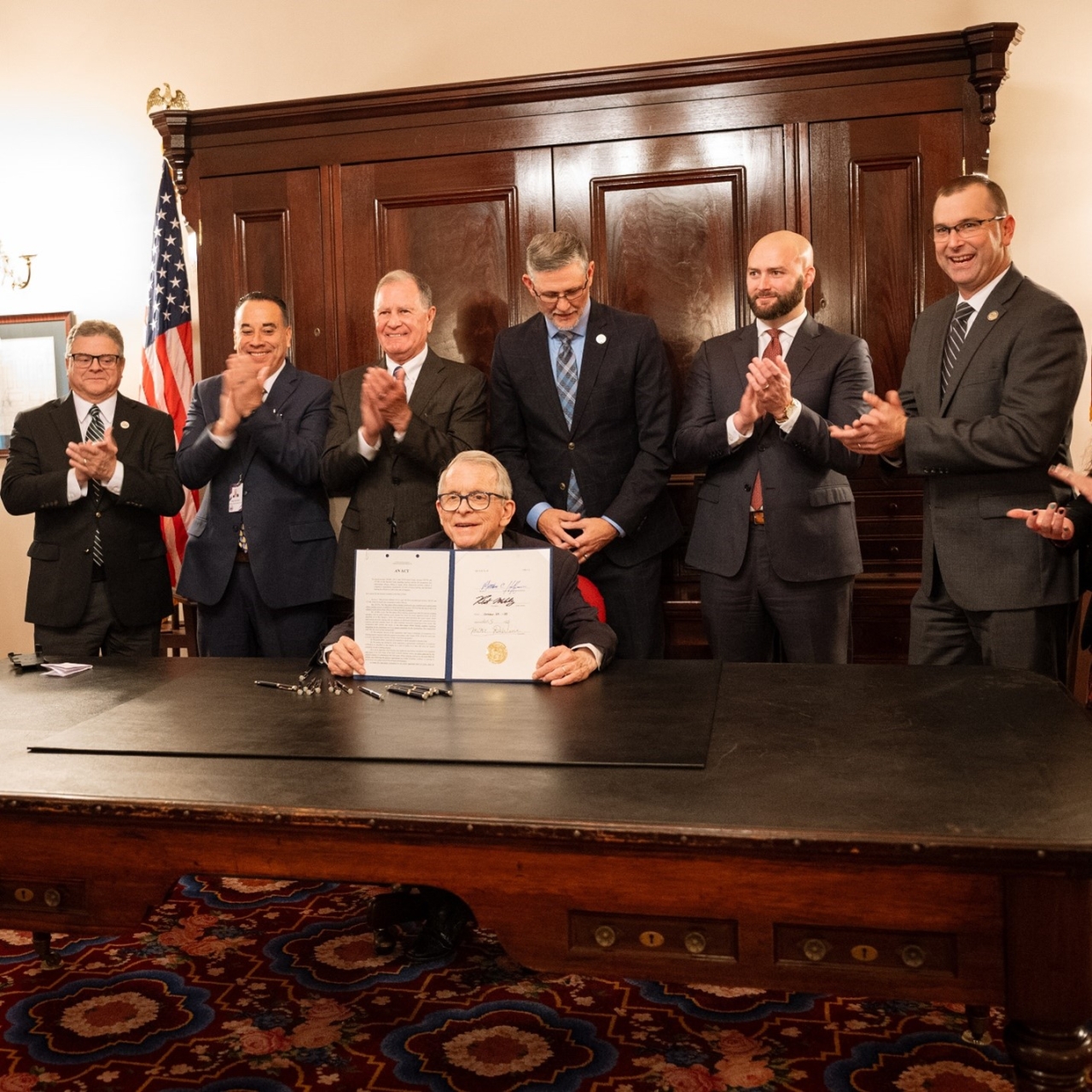
Governor DeWine praised the measure as an important step toward maintaining public safety across the state. “Communities have told us that finding and training new officers has been a real challenge,” DeWine said while signing the bill. “This law gives them the tools to respond more quickly and keep their forces fully staffed.”
Supporters argue that local training academies will shorten wait times and give recruits the opportunity to train close to home, potentially improving officer retention rates. The new law also includes oversight provisions to ensure that local programs meet Ohio Peace Officer Training Commission standards.

The legislation comes amid growing national conversation about police recruitment challenges, as departments across the country report difficulty attracting applicants. State officials hope the new approach will strengthen community policing and ensure that law enforcement agencies remain adequately staffed to meet local needs.