


DeWine revives long-sought change
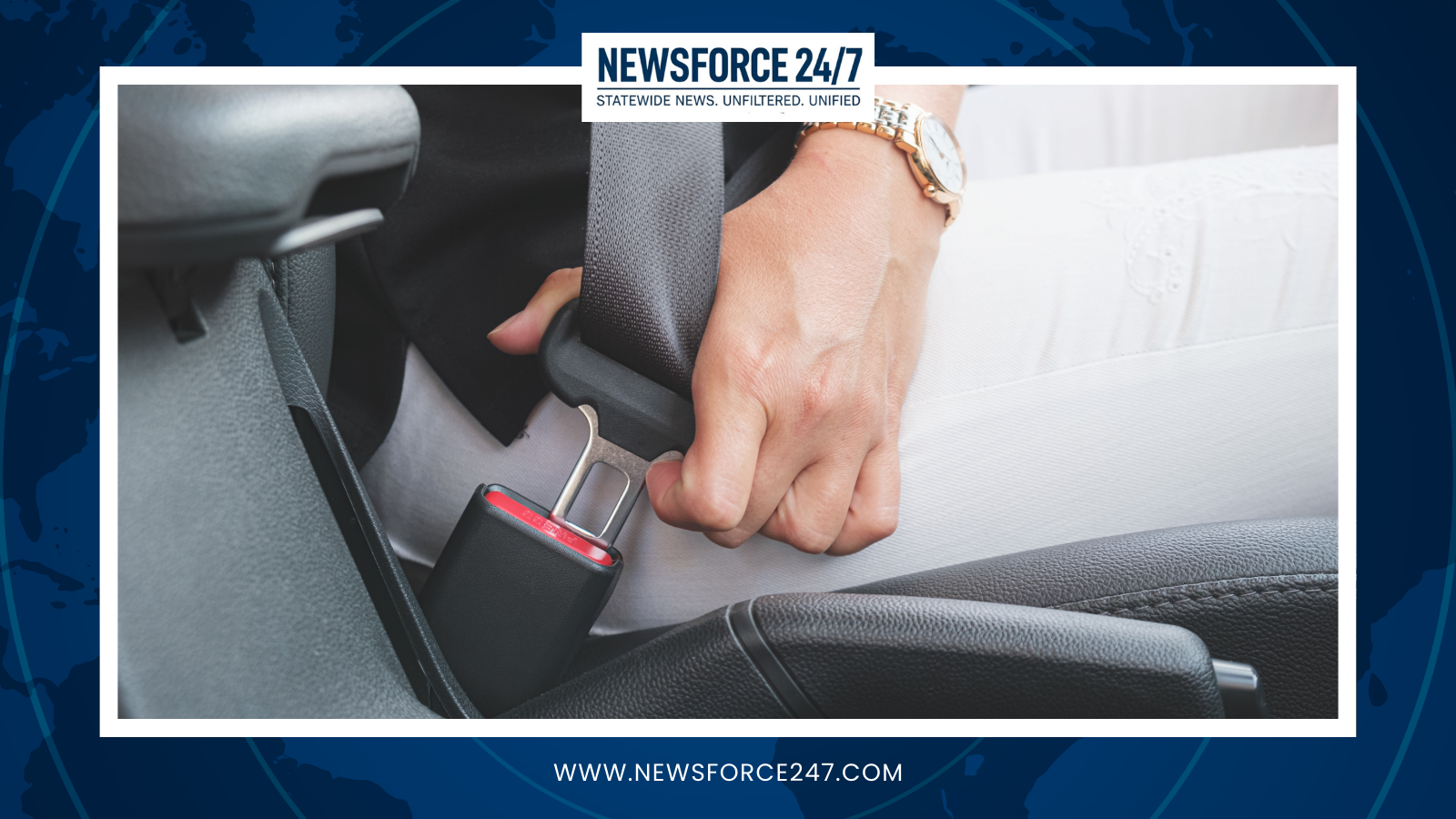
In his final State of the State address last week, DeWine again urged lawmakers to upgrade Ohio’s seat belt statute from a secondary to a primary offense, arguing that the change would save lives and reduce the financial toll of serious crashes. Under current law, officers can cite drivers for not buckling up only after pulling them over for another violation, such as speeding or a broken taillight.

DeWine framed the proposal as both a moral and economic imperative, noting that crashes involving unbelted drivers and passengers cost Ohioans billions of dollars annually in medical bills, lost productivity and property damage. “Enacting a primary seat belt law is about so much more than economic losses or even the safety of those individuals who are okay with risking their own lives by not wearing a seat belt,” he said in the address. “It is about protecting families, communities, and the people who depend on us every single day.”

Ohio trails national seat belt use
Ohio’s push comes as the state continues to lag behind the rest of the country in seat belt use. DeWine has cited figures showing that while the national average for seat belt usage is about 91 percent, Ohio’s rate hovers closer to 81 percent, with the lowest compliance among the youngest drivers. Traffic safety officials and the Highway Patrol argue that closing that gap is critical to reducing fatalities and serious injuries on state roads.
The Ohio Traffic Safety Office’s current strategic plan identifies boosting seat belt use as one of its top priorities, including targeted research on why some drivers and passengers still choose not to buckle up and new messaging campaigns aimed at demographics least likely to wear restraints. Earlier this year, state leaders rolled out a fresh public-awareness effort urging Ohioans to “buckle up every trip, every time,” a campaign DeWine and Lt. Gov. Jim Tressel said is meant to complement — not replace — legislative changes.

Highway Patrol backs primary enforcement
The Ohio State Highway Patrol is firmly behind the governor’s call, saying primary enforcement would give troopers a straightforward tool to intervene before a minor infraction becomes a deadly crash. Law enforcement leaders point to research from other states indicating that primary seat belt laws correlate with higher compliance and lower fatality rates.
“Every time we work a fatal crash and see that seat belts weren’t used, we’re reminded that this is a preventable tragedy,” a Patrol spokesperson said in a recent safety briefing, backing DeWine’s proposal. Troopers say they already use discretion on traffic stops and argue the change would simply bring Ohio in line with the majority of states that allow officers to pull drivers over solely for not wearing a seat belt.

Civil liberties, profiling concerns resurface
Civil liberties groups and some Republican lawmakers remain wary, warning that a primary seat belt law could open the door to more pretextual stops and racial profiling. The ACLU of Ohio has previously opposed similar efforts, arguing that giving officers another standalone basis to stop vehicles will disproportionately affect motorists of color and others who already fear being pulled over based on appearance.
“Such a law would give law enforcement one more reason to unfairly target and selectively enforce laws against motorists who legitimately fear being stopped based solely on their appearances,” the ACLU said when DeWine floated a similar change in 2024. Those concerns helped stall earlier attempts, and opponents say nothing in the new push addresses those core issues.
Previous efforts stalled in legislature
This is not DeWine’s first attempt to toughen Ohio’s seat belt rules. In 2024, then-Rep. Jon Cross, a Findlay Republican, introduced a bill backed by the governor’s administration that would have made seat belt violations a primary offense, but the measure never gained traction after House Republican leaders cited personal responsibility and individual freedom.
DeWine also tried to fold a primary seat belt provision into the state budget last year, only to see lawmakers strip it out during negotiations. The repeated setbacks underscore the political challenge of advancing new traffic enforcement tools in a legislature where many members are cautious about expanding reasons for police stops, even in the name of safety.
What comes next at the Statehouse
DeWine’s latest call puts fresh pressure on lawmakers to decide whether they are willing to revisit the issue in the waning months of his administration. Supporters are expected to tout Ohio’s lagging seat belt use and the projected savings in health care and crash-related costs, while opponents are likely to seek safeguards against profiling or push for alternative approaches focused solely on education and public campaigns.
As potential legislation is drafted, the debate will again test how far Ohio is willing to go to reduce preventable road deaths — and whether the promise of safer highways outweighs ongoing concerns about government overreach and the scope of police authority during traffic stops.