


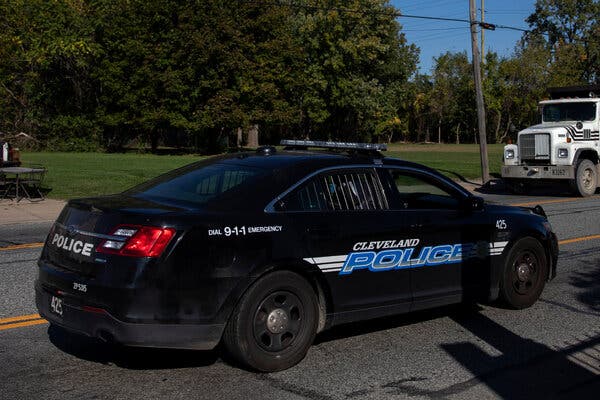
The horrific incident, which occurred last month in a field near East 148th Street and St. Clair Avenue, has prompted a deeper examination of juvenile crime, the roots of violence, and the path to accountability for the youngest offenders.

The Cuyahoga County Prosecutor’s Office confirmed the charges, which also include felonious assault, kidnapping, and strangulation. Due to the extreme sensitivity of the case and the ages of those involved, prosecutors are limiting the release of further details.
The 5-year-old victim’s mother described finding her daughter “unrecognizable” after the attack. The young girl was reportedly lured into the field, physically and sexually assaulted, and left naked and unconscious, sustaining injuries so severe her mother told local media that her hair had been “scalped” and her eyes and mouth were “filled with blood.”

The Unthinkable: Seeking Understanding
The nature of the alleged crime—committed by children against a much younger child with disabilities—has raised profound questions about motivation and the origins of such cruelty. The notion that children are inherently innocent, a premise often challenged by real-life tragedies, is being confronted head-on.

“How did we get to the point that our children did this?” a law professor posed, adding that the inevitable next question will be: “Who will we blame?”
While pop culture often sensationalizes children’s violence, as in the fictional realm of Lord of the Flies, experts suggest the reality is far more complex and often rooted in trauma. Studies frequently indicate a heartbreaking link: children who are victims of abuse are statistically more likely to become perpetrators of abuse themselves. This suggests that the roots of such horrific actions often lie not in inherent evil, but in a cycle of learned violence and unaddressed trauma.

Juvenile Justice: Ohio’s Stance
The charging of such young children highlights the varying approaches to juvenile justice across the country. While some U.S. states set a minimum age for prosecuting juveniles, Ohio currently does not.
However, the reality of incarceration for pre-teens in Ohio remains rare. Records show the Ohio Department of Youth Services (DYS) has not had an 11-year-old inmate since 2020 and has not admitted a child under the age of 10 since at least 2015.
The focus for juveniles of this age, even in cases of severe crime, often shifts toward intensive treatment and rehabilitation rather than punitive measures. Potential interventions can include:
* Specialized Therapeutic Foster Care
* Residential Treatment Programs
* Anger Management Programs
* Intensive Individual and Family Therapy
As the case moves through the juvenile justice system, the challenge for authorities and mental health professionals will be to hold the accused accountable while attempting to intervene in the profound developmental and behavioral issues that may have led to the attack. The long-term safety and recovery of the 5-year-old victim remain the primary concern.