



Enrollment drop among steepest

Ohio’s decline is among the worst in the country, ranking second nationally in the percentage drop in Affordable Care Act enrollment, behind only North Carolina. Federal figures show 463,086 Ohioans had selected ACA marketplace plans as of mid-January, down from about 568,900 a year earlier, a loss of roughly 120,000 people and nearly 19% of last year’s total.
Health policy analysts caution that the data are an early snapshot because this year’s report was released before the end of open enrollment, but say the trend line is clear. Even after adjusting for the earlier release date, researchers at the Health Policy Institute of Ohio found a similar drop, suggesting Ohio’s marketplace is facing a structural shock rather than a temporary reporting quirk.

Premiums surge as subsidies lapse
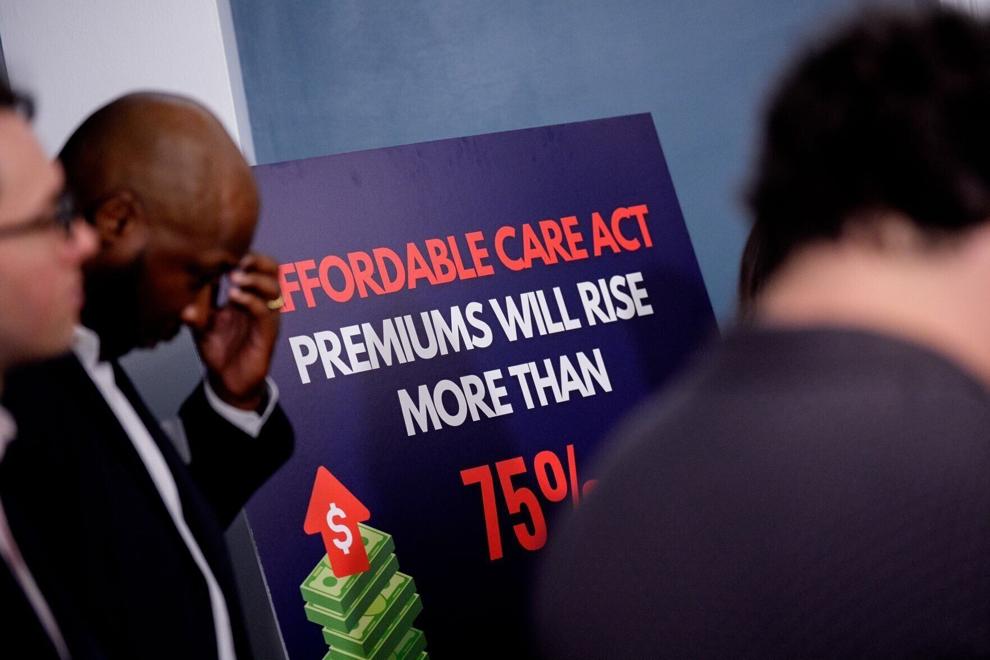
The enrollment plunge follows the sunset of enhanced premium tax credits that Congress first approved in 2021 to lower ACA costs during the pandemic and then allowed to expire at the end of 2025. With those subsidies gone, average marketplace premiums in Ohio are projected to more than double for many consumers, leaving some families facing increases of thousands of dollars a year.

Advocates estimate that about a half-million Ohioans had been using the expanded credits to keep plans affordable, and many are now reassessing whether they can keep coverage at the new prices. One Central Ohio family saw their monthly premium climb to more than their mortgage payment while their deductible reached $17,000, a scenario advocates say is becoming more common as bills arrive for 2026 coverage.
Millions at risk of losing coverage

Nationally, Affordable Care Act enrollment has fallen by about 1.4 million people compared with last year, a roughly 3.5% drop that federal officials and outside experts both link to the loss of subsidies and rising premiums. In Ohio, analysts with the Health Policy Institute project that as many as 140,000 more residents could ultimately become uninsured as higher rates ripple through the market, especially in rural areas where employer-sponsored coverage is less common.
State-based estimates suggest that around one-fifth of Ohioans who had ACA plans with subsidies last year are dropping that insurance this year, a figure advocates warn could rise as households confront full-year costs without federal help. Some experts note that current enrollment figures still include people automatically re-enrolled in plans and say more cancellations are likely in the coming months as families decide they can no longer afford the premiums.
Hospitals brace for impact
Hospitals and health systems are watching the trend with increasing concern as they prepare for a possible surge in uninsured patients. The Ohio Hospital Association says providers may not see the full effect until spring, when unpaid bills and coverage gaps start to show up in emergency rooms and outpatient clinics.
“With insurance, patients are more likely to seek preventive care and manage chronic conditions; without it, they often delay treatment until problems become emergencies,” said John Palmer, a spokesperson for the association, calling the enrollment drop “concerning” for both patients and providers. Hospitals that already operate on tight margins, particularly in rural communities, could face higher uncompensated care costs if tens of thousands of Ohioans lose coverage at once.
Ohio’s policy choices under scrutiny
Some analysts say Ohio’s outsized enrollment decline is not just about expiring federal subsidies, but also about the state’s decision to rely on the federal HealthCare.gov marketplace instead of building its own exchange. States that created their own marketplaces, such as Pennsylvania and Georgia, have more flexibility to cushion residents from federal policy shifts and have seen steadier ACA participation, they argue.
Ohio also experienced one of the largest enrollment run-ups during the years when enhanced credits were in place, with ACA sign-ups jumping from about 206,500 in 2019 to more than 580,000 last year, leaving more people exposed when those subsidies disappeared. Health policy experts say that surge-and-drop pattern underscores how sensitive the individual market is to price changes and how quickly coverage gains can evaporate when premiums spike.