


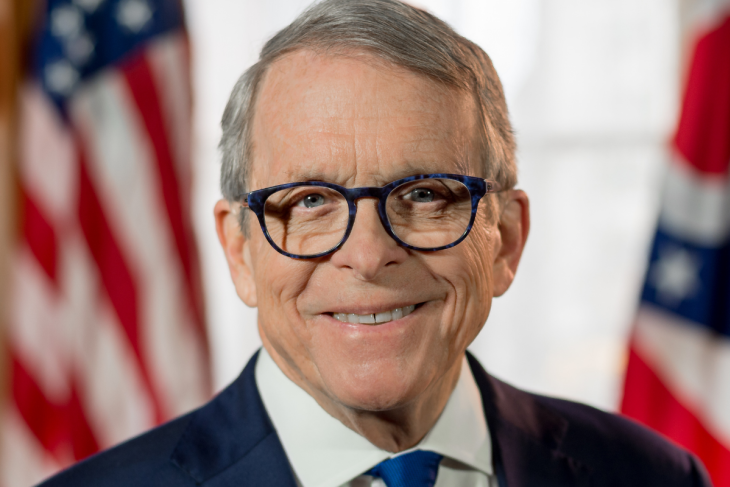
In remarks delivered Thursday at the Statehouse, DeWine said his administration plans to work with lawmakers to develop targeted proposals that address rising property tax assessments, which have placed pressure on homeowners across the state. “We’ve heard from families in every corner of Ohio who are concerned about affordability,” DeWine said. “Our goal is to ensure fairness while maintaining the revenue municipalities rely on.”

The governor also renewed his commitment to improving education, emphasizing early childhood learning, workforce readiness, and continued support for mental health resources in schools. DeWine highlighted Ohio’s expanding career-tech programs and said he wants to see stronger connections between schools, businesses, and colleges to prepare students for in-demand jobs.
Beyond taxes and education, DeWine pointed to ongoing infrastructure investments—particularly in rural broadband, water quality, and road safety—as cornerstones of his final-year agenda. He also reaffirmed plans to continue combating the opioid epidemic, an issue that has shaped much of his administration’s public health efforts.

While DeWine has avoided discussions of his political future, Thursday’s announcement signaled a focus on cementing his legacy through pragmatic policy moves in the final months of his second term. “We’re not slowing down,” he told reporters. “There’s still important work to do for the people of Ohio.”
DeWine, a Republican, was first elected governor in 2018 and re-elected in 2022. His term ends in January 2027, and under state law, he cannot seek a third consecutive term.