


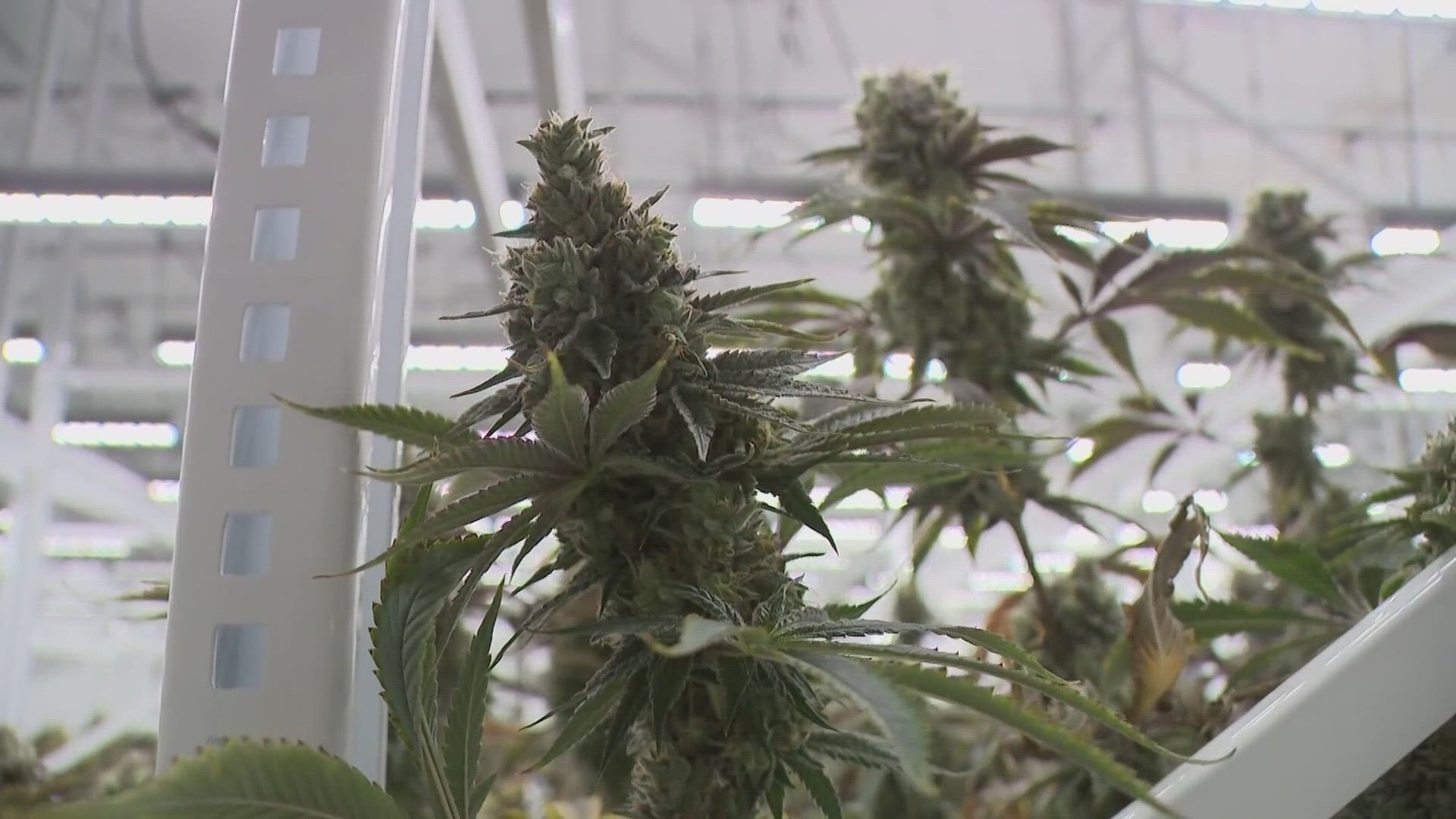
Under the proposed compromise, lawmakers endorsed a plan to ban intoxicating hemp, including hemp-derived beverages and other products containing synthetic cannabinoids such as Delta-8 THC. The move comes amid growing concerns over the unregulated sale of hemp products that can produce psychoactive effects comparable to marijuana.

The committee’s recommendations are part of ongoing efforts to reconcile Ohio’s recently enacted cannabis legalization law with the state’s broader public health and safety framework. Voters approved adult-use marijuana in late 2023, but lawmakers have since grappled with how to align the measure with consumer protection, taxation, and enforcement concerns.
Proponents of the new hemp restrictions argue that the market has become saturated with untested and mislabeled products, creating health risks and confusion for consumers. Opponents, however, warn the ban could harm small businesses and farmers who rely on hemp-derived goods as a source of income.

The committee’s package also includes provisions to simplify licensing for cannabis businesses, adjust tax revenue allocations, and strengthen quality testing requirements. Lawmakers are expected to advance the full proposal to the General Assembly for a vote in the coming weeks.
Ohio’s approach could become a model for other states struggling to balance the booming cannabis market with a loosely regulated hemp industry.