


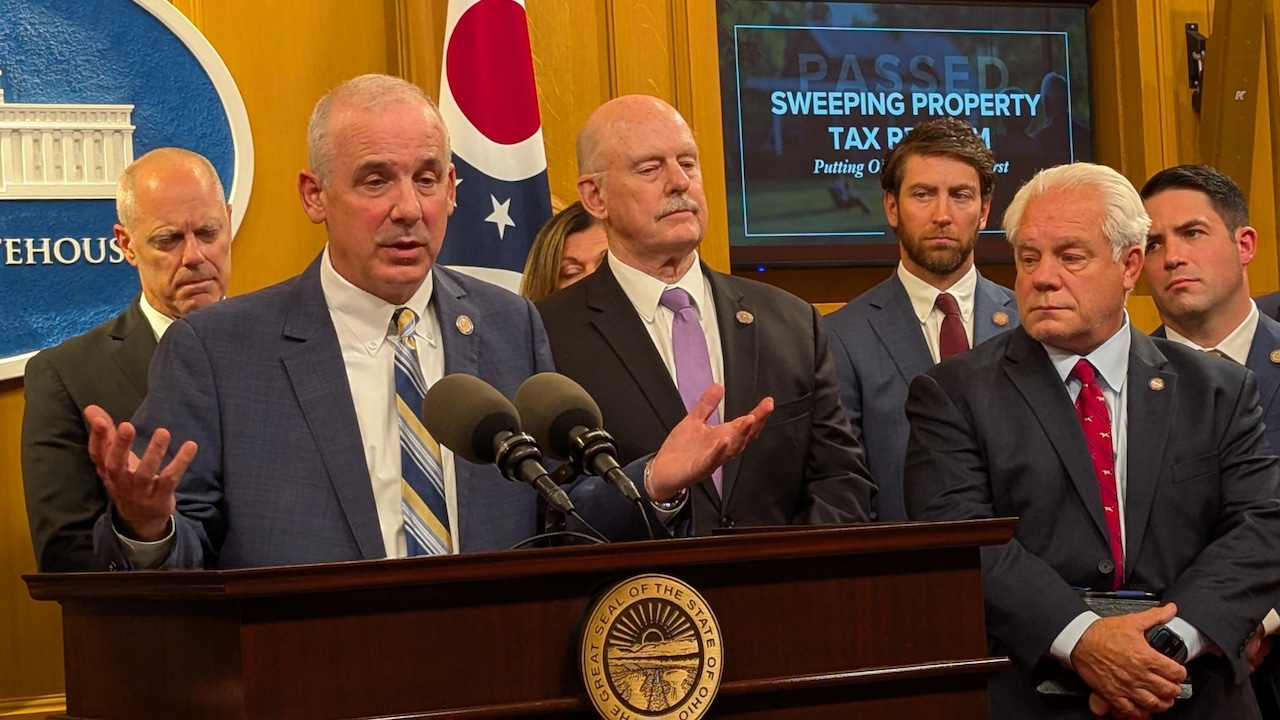
Speaker Matt Huffman (R-Lima) emphasized the significance of these reforms, stating that the legislature has heard the concerns of Ohioans burdened by rising property taxes. “We are putting a check on unlimited government,” said Representative Jeff Thomas, referring to the new Inflation Cap Credit and restrictions on millage growth.

House Bill 186 targets school district taxes by establishing a 20-mill floor inflation cap credit, which protects homeowners from sudden tax hikes when districts are on the 20-mill floor. It also ensures that schools experiencing lower collections due to appraisal timing are held harmless through state appropriations. This bill alone is projected to save Ohio property owners about $1.7 billion in three years.
Complementing this, House Bill 335 caps increases in inside millage collections, limiting growth to the cumulative inflation of the past three years. This measure will generate an additional $621 million to $763 million in tax relief by preventing excessive revenue growth during county reappraisals.

These reforms modernize Ohio’s decades-old property tax system by promoting transparency, simplifying levy processes, and enhancing local government accountability. Included in the broader property tax relief package are provisions for direct tax credits to seniors, disabled veterans, and first responder families, as well as mechanisms to prevent fraud in property tax reductions.
Representative Jennifer Roemer, co-chair of the Joint Committee on Property Tax Review and Reform, described the legislation as the most significant modernization in decades and a direct response to what Ohioans have demanded—a fairer, more transparent, and easier-to-understand property tax system.

The bills have now moved to the Ohio Senate for further consideration. If passed, these reforms will be implemented starting in the second half of next year and are poised to fundamentally reshape how property taxes are assessed and collected throughout the state.