


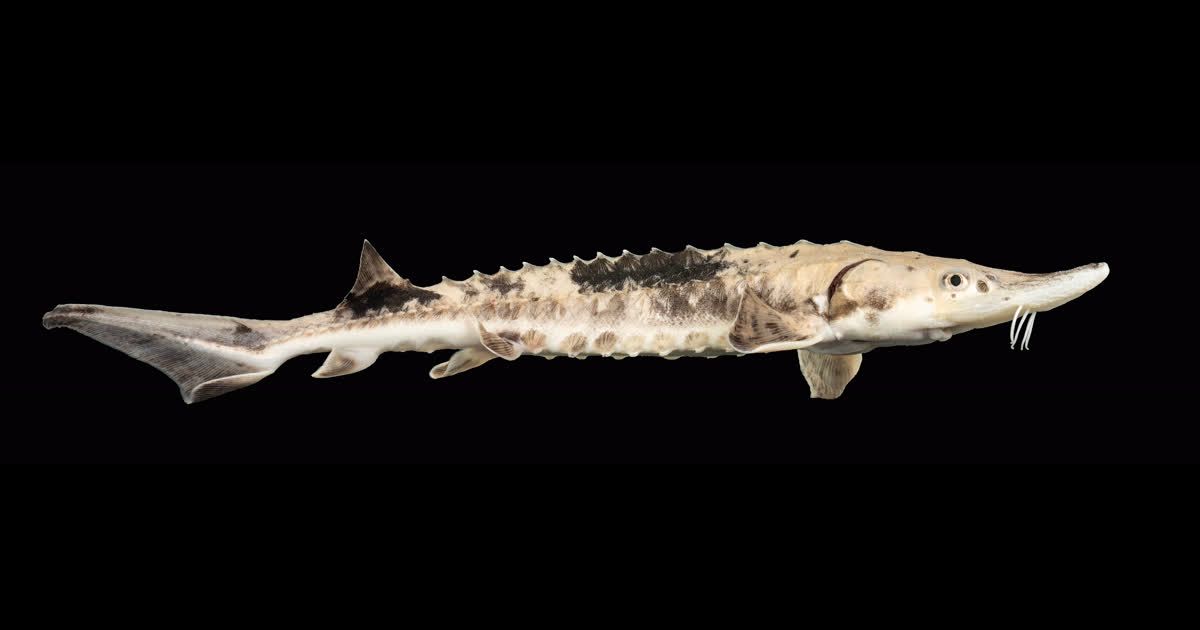
TOLEDO — About 1,500 young lake sturgeon went into the Maumee River on Saturday, Oct. 10, during the Toledo Zoo’s annual Sturgeon Fest, the latest release in a long-running effort to bring back a fish that once filled these waters.
The free public event ran from 10 a.m. to 1 p.m. at the city of Toledo boat launch across from the zoo’s Broadway Street entrance at 2700 Broadway Street. Visitors could release a fish at no cost, and zoo staff and partner organizations were on hand with conservation and education activities for families.

Lake sturgeon were abundant in the Maumee River in the 1800s, but demand for caviar and commercial overfishing drove the population down sharply. Ohio still has no known reproducing population of lake sturgeon, according to the zoo, which is why each year’s release is raised by hand rather than left to natural spawning that is not yet happening.
The zoo operates Ohio’s first streamside rearing facility dedicated to the species. Staff raise sturgeon from eggs collected in U.S. and Canadian waters until the fish are about four months old and roughly six to seven inches long, then release them into the Maumee, where biologists with the Ohio Division of Wildlife and the U.S. Fish and Wildlife Service monitor how they do.

That monitoring relies on small PIT tags. The zoo says its conservation staff implants tags into about 1,500 sturgeon each year, giving each fish a permanent identification. People can sponsor a tagged fish, and if that fish is later recaptured, scientists record its tag number, length and weight and the zoo notifies the sponsor.
The long timeline is part of the story. Sturgeon rely on a natural homing instinct, and biologists hope the released fish will return to the Maumee to spawn in about 20 years, when they are mature. As of early 2025, the zoo and its partners had released more than 18,000 lake sturgeon into local waters, and more than 30 fish from earlier releases had been recaptured, with the longest growing to about 22 inches in three years.

This year’s 1,500 fish now join that count. Their progress will be measured one recapture at a time in the years ahead, as Toledo’s sturgeon program works toward the day the river again supports a self-sustaining population.