



New call for projects
The Ohio Department of Natural Resources (ODNR) and the statewide H2Ohio water quality initiative announced the new solicitation for wetland restoration proposals Wednesday, opening the door for local governments, park districts, land trusts and other conservation partners to apply for state funding. The expansion focuses on counties draining into the Maumee River, where runoff from farm fields and other sources carries phosphorus and nitrogen that can fuel toxic algal blooms in western Lake Erie.

Officials said the targeted 20-county area includes Allen, Crawford and Wyandot counties, where H2Ohio has previously funded projects such as floodplain reconnections and nutrient-filtering wetland complexes. By clustering new projects in one watershed, ODNR aims to create a network of restored wetlands that slow stormwater, trap sediment and strip out nutrients before they reach larger rivers and the lake.
Tackling nutrient runoff
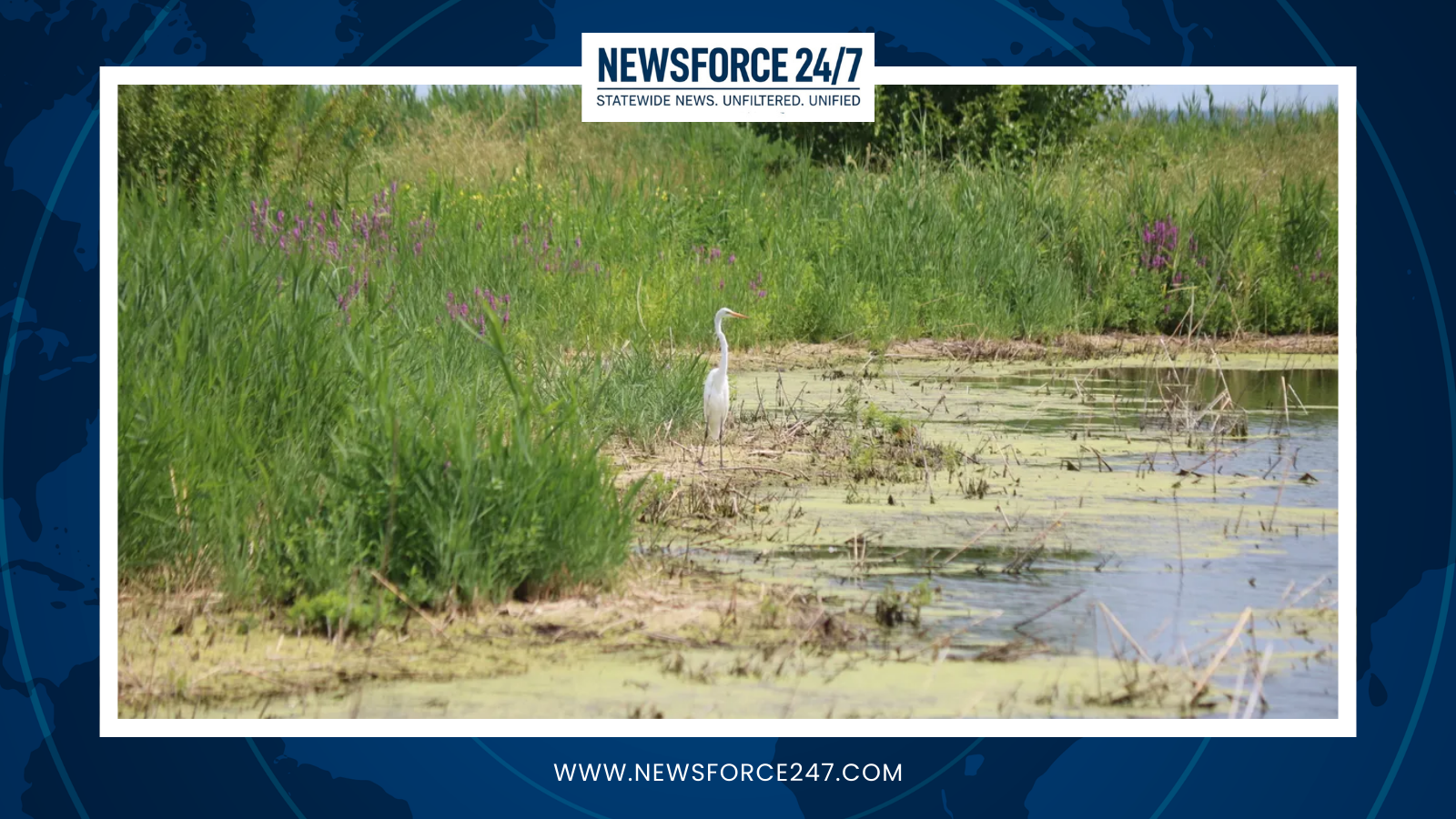
Wetlands are a central pillar of H2Ohio’s strategy because they can act like natural treatment systems, holding back water long enough for phosphorus and other pollutants to settle or be taken up by plants. The Maumee River watershed has been a particular focus of Ohio’s nutrient reduction plans, with localized phosphorus targets and a mix of farm conservation practices and natural infrastructure meant to reduce the load heading into Lake Erie.

Since H2Ohio launched in 2019, ODNR has supported more than 200 wetland projects statewide, over half of them in the Western Lake Erie Basin, and recent monitoring shows they are helping cut nutrient levels and support wildlife habitat. A 2026 economic analysis found that for every dollar invested in H2Ohio wetland restoration, the state sees several dollars in benefits from reduced algal blooms, better water quality, flood control and recreation.
Local impact across northwest Ohio
In counties like Crawford and Wyandot, earlier H2Ohio expansions made farmers and local sponsors eligible for funding to adopt conservation practices and build wetlands designed to intercept runoff before it reaches tributaries of the Sandusky and Maumee rivers. New projects under the latest call are expected to focus on similar work: restoring former wetlands, reconnecting streams to their floodplains, and creating shallow-water areas that can store storm flows and improve water quality.

ODNR partners will continue to work with scientists in the Lake Erie Aquatic Research Network to track how the new wetlands perform, measuring how much phosphorus and nitrogen they keep out of downstream waters. State leaders say those data will guide future rounds of H2Ohio funding as they try to meet long-term goals for reducing harmful algal blooms in Lake Erie and safeguarding drinking water for northwest Ohio communities.