



Bill Provisions
House Bill 698 requires the Chancellor of Higher Education to certify annual compliance with eight Senate Bill 1 mandates, including posting syllabi online, banning DEI programs, mandating American civic literacy courses, establishing written faculty reviews, implementing post-tenure policies, and prohibiting gifts from China. Universities must submit detailed inventories of employees who handled DEI functions as of Jan. 1, 2025, and were reassigned by Sept. 25, 2025, along with justification reports featuring side-by-side job comparisons, compensation breakdowns, and attestations from institutional leaders. Noncompliance triggers permanent SSI fund withholding for the fiscal year, regardless of later fixes, with the chancellor empowered to audit and enforce.

Supporters’ Rationale
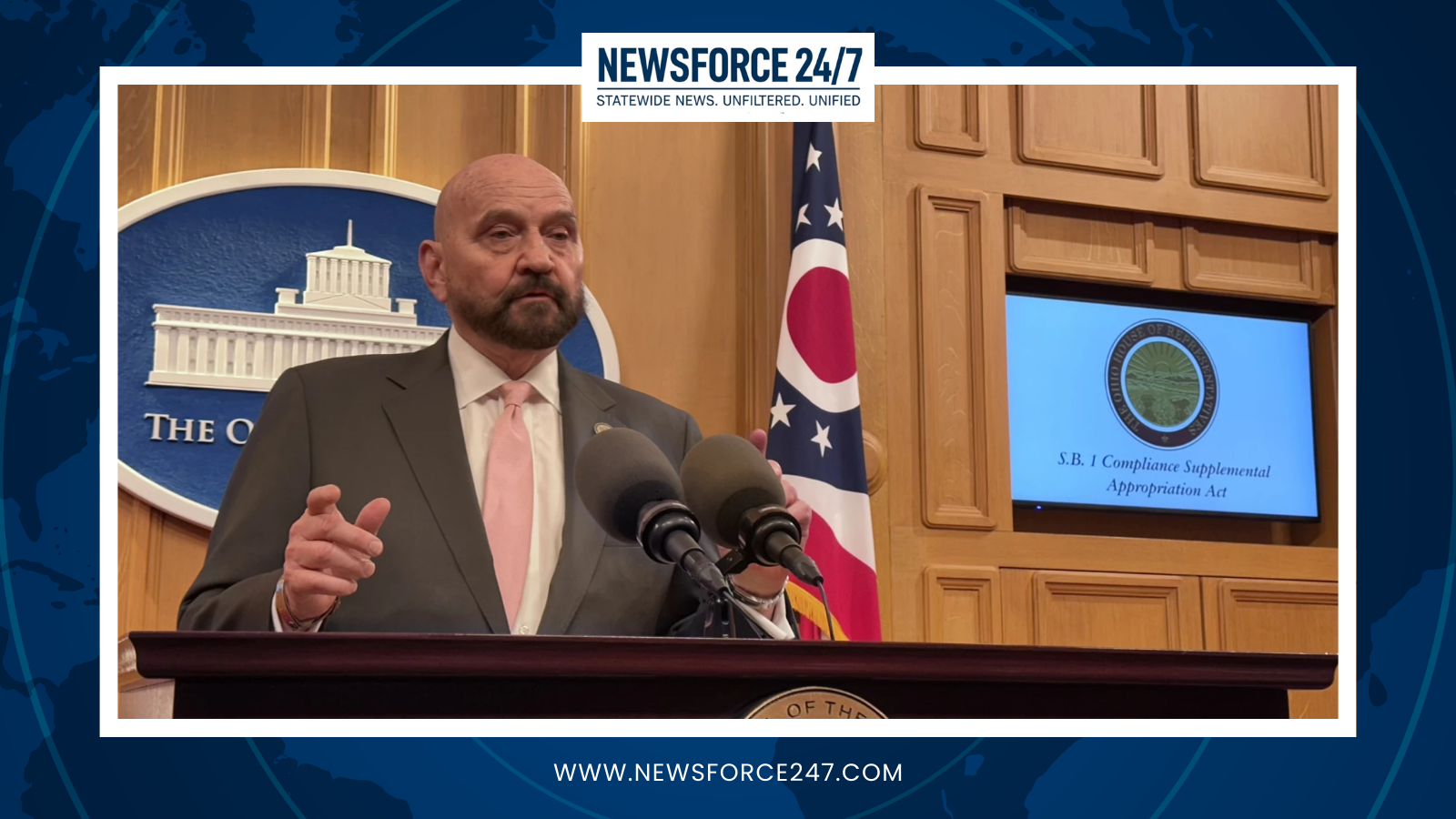
Young describes the bill as “accountability legislation” to address Senate Bill 1’s lack of enforcement teeth, citing reports from professors and students about uneven university adherence. He emphasized that funds would resume upon correction but not retroactively, aiming to prevent “disguising” prohibited DEI roles through reassignments. The legislation builds on Republican-led reforms to curb perceived liberal bias in Ohio higher education.
Faculty Opposition
Faculty groups, including the American Association of University Professors, condemn the bill for politicizing campuses and jeopardizing the financial stability of Ohio’s top institutions like Ohio State University and the University of Cincinnati. Critics argue it stifles intellectual freedom, exacerbates budget pressures amid declining enrollment, and fails to define DEI clearly despite detailed reporting mandates. They warn of reputational damage that could deter students and talent.

Hearing Highlights
The bill received its first hearing Feb. 24, 2026, before Young’s House Workforce and Higher Education Committee, focusing on the chancellor’s certification role and enforcement mechanisms. Testifiers debated practical implementation, with Young defending the measure’s clarity on DEI reassignments while opponents highlighted administrative burdens. No vote was taken, but the panel signaled further deliberations.
Broader Context
Senate Bill 1, enacted in 2025, reshaped Ohio public higher education by restricting “controversial” classroom topics, shortening trustee terms, and prioritizing free-market civics education. House Bill 698 escalates stakes by linking compliance to state appropriations, amid national GOP pushes against DEI initiatives. Ohio’s university leaders have largely pledged cooperation, though isolated incidents have fueled enforcement calls. As the General Assembly’s budget cycle advances, the bill’s fate could reshape campus operations and funding for years ahead.
