


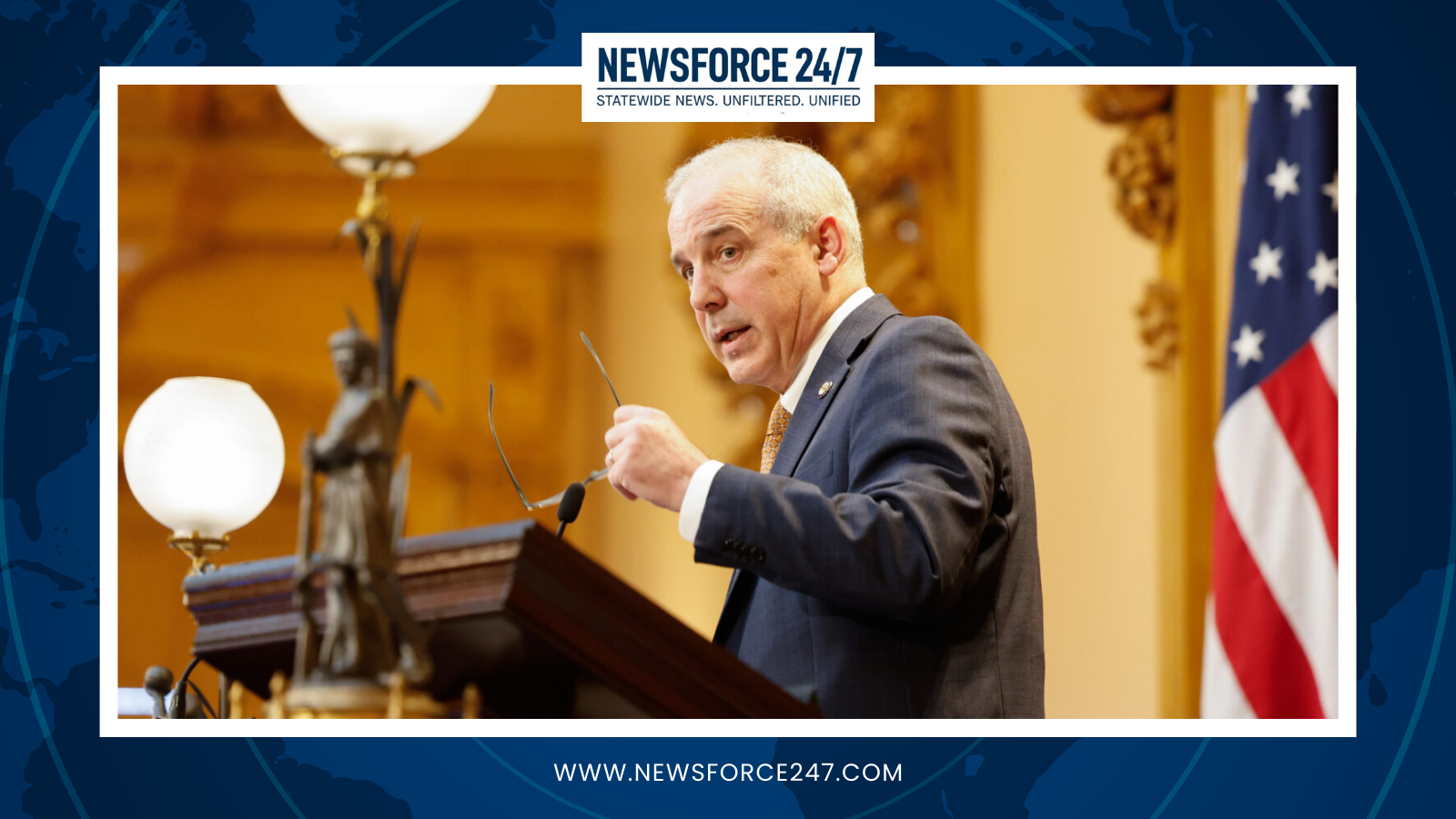

Republican lawmakers in Ohio have introduced House Bill 698 to enforce last year’s major higher education reforms by linking state funding for public colleges and universities to their compliance.
Bill Details
House Bill 698, authored by State Rep. Tom Young (R-Washington Township), chair of the House Workforce and Higher Education Committee, creates an annual certification process. Public institutions, including community and technical colleges, must confirm adherence to Senate Bill 1—effective June 2025—or forfeit a portion of their State Share of Instruction (SSI) funds, the primary state funding pool based on student completions. The bill enacts the “S.B. 1 Compliance Supplemental Appropriation Act,” amending higher-ed statutes and has been introduced but not yet assigned to a committee.

Context of Senate Bill 1
Senate Bill 1, pushed by Sen. Jerry Cirino (R-Kirtland), overhauled public higher education by banning DEI practices, restricting official stances on controversial issues, shortening trustee terms, mandating post-tenure reviews and public syllabi access. Institutions already submit compliance reports like five-year cost summaries and low-enrollment program plans; HB 698 formalizes penalties to ensure follow-through. It expands beyond universities to community colleges, unlike prior budget provisions.
Lawmaker Rationale
Young stated the measure prevents SB 1 from being ignored, emphasizing funding as the strongest enforcement tool amid GOP concerns over campus liberal bias. Cirino anticipates institutional cooperation but warns of finance committee leverage. The push aligns with Republican goals for intellectual diversity and accountability.

Reactions and Concerns
Critics, including Democrats like Sen. Nickie J. Antonio, argue such laws invite political interference, harm education quality and deter talent amid Ohio’s higher-ed underfunding. Private colleges, spared SB 1’s direct mandates and state operational aid, lobbied successfully against scholarship conditions in the 2025 budget. HB 698 targets only public institutions, potentially widening the funding gap.