


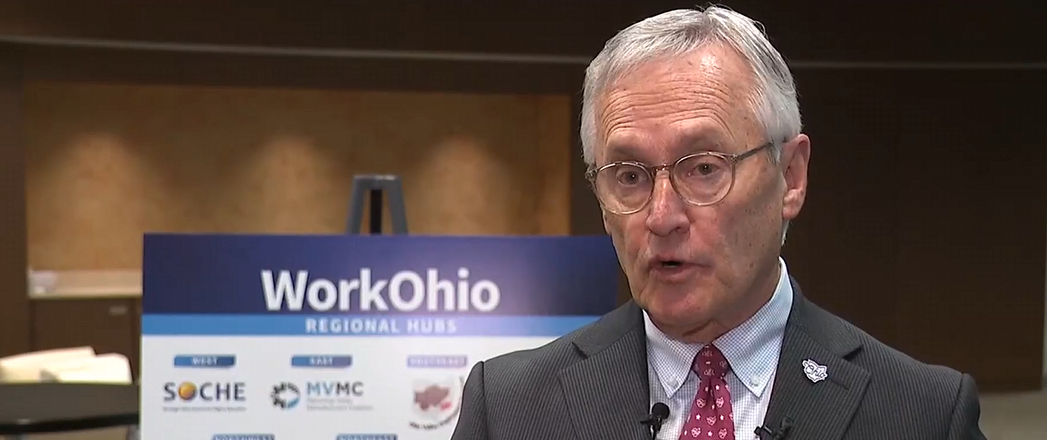

Launch event and goals

Announcing the program this week, Tressel described WorkOhio as a “front door” for anyone looking to enter the workforce, change careers, or upgrade their skills. The initiative aims to simplify what can be a confusing landscape of job boards, training programs, and agencies by giving jobseekers a single point of entry and a human contact in their region.
How WorkOhio and Job Hubs work

At the heart of the initiative is WorkOhio.gov, a new website where residents can browse in-demand job openings, explore training and credential programs, and request one-on-one help. When a user submits a short online form, their request is routed to one of seven regional Job Hubs staffed by job experts who follow up directly to offer individualized support.
These hubs are partnerships with regional organizations such as workforce boards, chambers of commerce, and higher-education consortia that already have strong ties to local employers. State officials say this hub model is meant to ensure that guidance reflects actual labor-market demand in each part of Ohio, rather than a one-size-fits-all statewide list.

Context: rising need for support
The launch comes as new data show an increase in unemployment claims, with nearly 11,500 Ohioans filing initial claims last week, about 3,000 more than the week before. More than 67,000 people filed continued claims, bringing total jobless claims above 78,000, a backdrop that underscores the urgency of helping residents reconnect with work.

Officials argue that even with elevated claims, employers across Ohio continue to report difficulty filling positions in health care, advanced manufacturing, logistics, and skilled trades. WorkOhio is being pitched as a way to close that gap by steering jobseekers into roles and training pathways that have clear openings now and projected growth.
Personalized help for jobseekers
Unlike traditional job boards, WorkOhio emphasizes one-on-one guidance from regional “job experts” who can help residents assess their experience, identify barriers, and map out a realistic plan into higher-demand fields. Users can expect assistance with tasks such as resume writing, interview preparation, connecting to short-term credential programs, and understanding which employers are hiring in their area.
State leaders frame this individualized support as especially important for mid-career workers who may be switching industries, as well as for those who have been out of the workforce and are unsure where to start. The initiative also points jobseekers toward available public and private resources, including training grants and tuition assistance, that can offset the cost of retraining.
Next steps for residents and employers
Residents can begin using the new platform immediately by visiting WorkOhio.gov, selecting their region, and submitting a contact form if they want direct outreach from a Job Hub specialist. Officials say the system is designed to respond quickly, with follow-up from local partners who know their area’s employers and can connect people to specific openings and programs.
Employers are also being encouraged to engage with the Job Hubs as a way to promote openings, help shape training offerings, and tap into a broader pool of prepared applicants. Tressel and other state leaders say the ultimate goal is to make WorkOhio a durable part of the state’s workforce infrastructure, giving both businesses and workers a clearer route to long-term economic stability.