


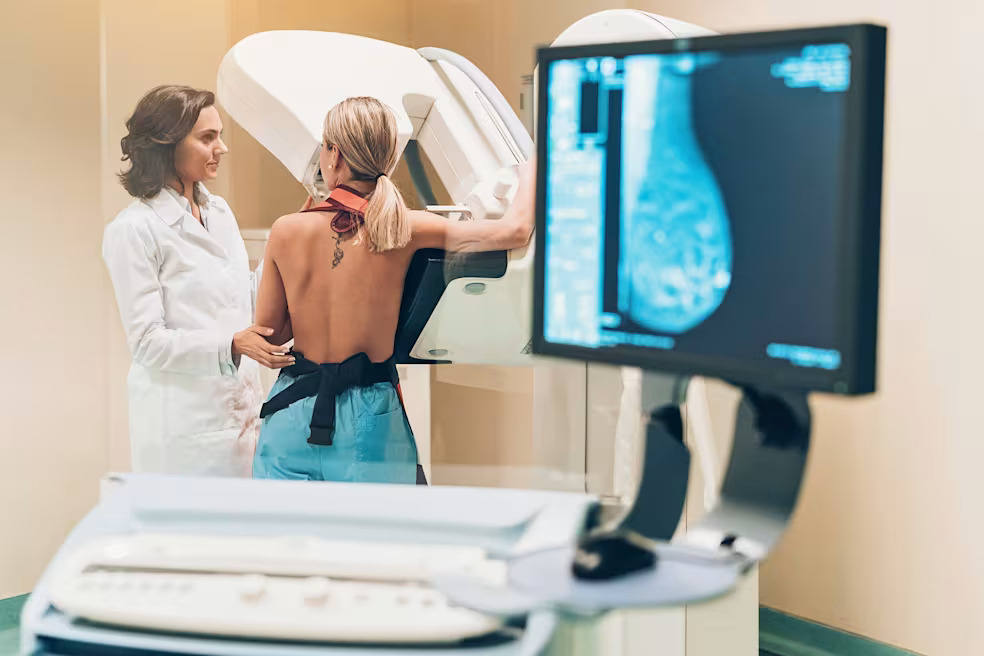
According to the findings, the upward trend reflects decades of progress in early detection, advanced therapies, and patient-centered care. Deaths from many major cancers — including lung, colorectal, and melanoma — have continued to decline steadily.

Dr. Michelle Harper, an oncologist at the Cleveland Clinic, said the milestone underscores how medical innovation and preventive medicine are reshaping outcomes. “We’re seeing more patients living longer, fuller lives after their diagnosis,” Harper noted. “The combination of better screening, personalized treatment, and increased public awareness has made a measurable impact.”
However, the report also sounded a note of caution: diagnoses of breast and prostate cancers are on the rise, a trend experts attribute largely to more widespread and sensitive screening methods. While early detection improves survival chances, it also raises questions about overdiagnosis and healthcare access disparities.

Public health officials emphasized that continued investment in research, equitable care, and lifestyle education remains critical. “This is a triumph, but not the finish line,” said Harper. “Our challenge is to ensure these gains reach every community.”
The Cleveland Clinic’s summary adds to growing evidence from national cancer registries showing sustained improvements in survival over the past decade. With 70% of patients now reaching the five-year benchmark, experts say the U.S. may be entering a new era in cancer survivorship.
