


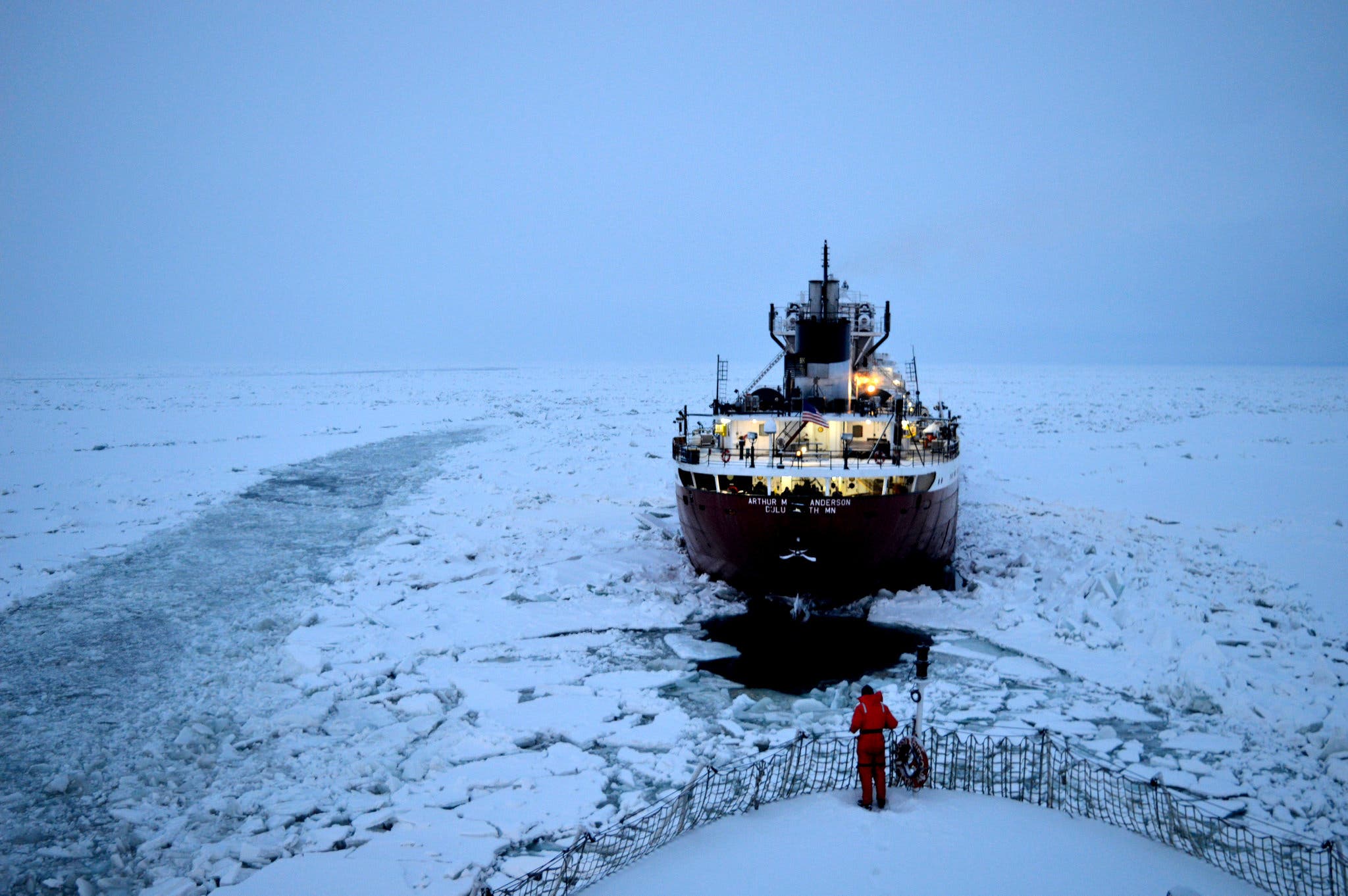
Icy choke points on inland seas

Thick, wind‑driven ice has repeatedly clogged critical corridors such as Lake Superior, western Lake Erie, the Detroit River and the St. Marys River, forcing vessels to anchor or wait for escorts. In several recent seasons, ships have sat idle for days as shifting ice pulled navigational aids out of position and rendered normally busy channels effectively impassable.
The Great Lakes–St. Lawrence system moves iron ore, coal, limestone, grain, cement, road salt and other bulk commodities that feed steel mills, auto plants, power stations and municipal operations. When late‑season voyages are delayed or cancelled, manufacturers draw down stockpiles faster than they can be replenished, leaving little margin for further disruptions.

Aging icebreakers, mounting mechanical woes
Shipping companies and port interests point to a shortfall of heavy icebreakers and frequent mechanical casualties in the U.S. and Canadian fleets as a central cause of the delays. More than 60 percent of government icebreakers on the lakes are over 40 years old, and in one recent average winter the U.S. Coast Guard lost over 100 days of icebreaking operations to engine failures and other mechanical issues.

With only a single heavy icebreaker permanently assigned to the Great Lakes, there is little backup when vessels go into maintenance or suffer breakdowns, leaving large areas uncovered during cold snaps. During a late‑December flash freeze, several U.S. and Canadian icebreakers were tied up in repairs or buoy‑retrieval work, and multiple commercial assistance requests went unanswered.
Cargo delays and economic fallout

Industry data show that more than 1.6 million tons of cargo‑carrying capacity has been delayed for nearly a month in some recent winters because of ice and inadequate icebreaking, sidelining shipments on Lakes Superior, Huron, Michigan and Green Bay. One analysis estimated that over eight years, winter delays on the lakes cost more than 10,000 jobs and froze more than $2 billion in economic activity as vessels carrying iron ore and limestone waited in port or in ice‑choked channels.
Individual events underscore the scale of the disruption: a bomb‑cyclone‑driven flash freeze over the 2022 holidays halted ships in western Lake Erie and the Detroit River, delaying roughly 327,000 tons of American cargo—the equivalent of 13,000 truckloads—and stretching voyages by more than 10 hours on average. For some operators, the lost sailing time meant effectively giving up weeks of their operating year, with little opportunity to make up the tonnage once the season shifted.
Supply chain pressure from mines to mills
The Great Lakes shipping slowdown hits particularly hard in sectors that depend on bulk raw materials with few economical alternatives to water transport. Steelmakers that rely on iron ore and fluxstone deliveries, power producers that burn coal, and construction firms that use cement and aggregates all face rising risks of production curtailments when lake traffic stalls.
Replacing a single ore‑carrying laker could require on the order of several thousand tractor‑trailers, a shift that would overwhelm roads and remain prohibitively expensive for most cargoes. Rail, while more flexible, is already congested in key corridors, making large‑scale diversion from the lakes difficult just as winter weather complicates overland transport.
Political pressure and calls for action
Regional lawmakers, maritime unions and shipowners’ associations are pushing for new investment in Great Lakes icebreaking to keep commerce moving in an era of more volatile winter weather. Proposed measures include funding at least one additional heavy icebreaker, modernizing performance metrics so all major delays are reported, and commissioning studies on the true scope of icebreaking needs on the lakes.
Advocates argue that the cost of new icebreaking capacity is modest compared with the economic losses already tied to winter bottlenecks in steel, autos, energy and construction, sectors they describe as the backbone of North American manufacturing. Until a larger, more reliable fleet is in place, they warn, the Great Lakes will remain a fragile link in the continent’s cold‑weather supply chain.