


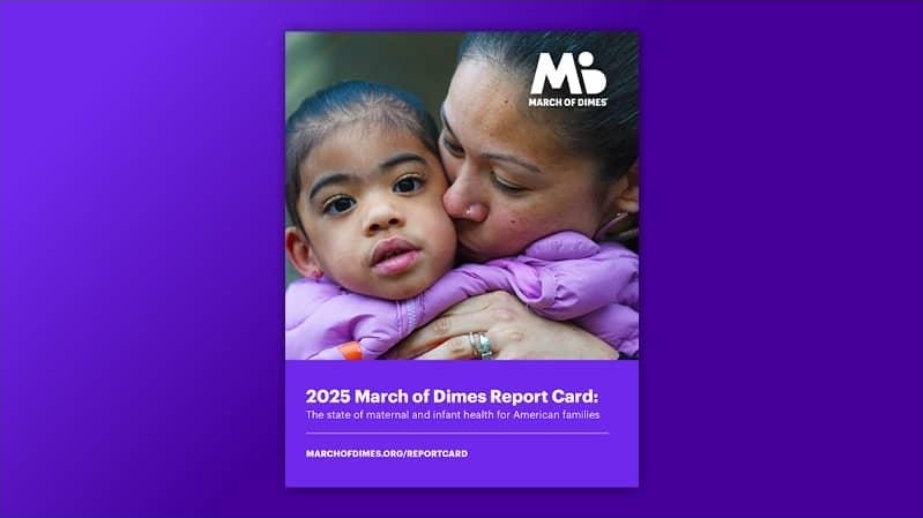
The March of Dimes, a leading nonprofit focused on maternal and infant health, uses its annual report card to assess how states perform on key indicators such as preterm birth rates, racial and ethnic disparities, and access to maternal care. According to the 2025 report, progress in Ohio has been slow, and many communities continue to face significant health inequities.

Preterm birth—defined as a baby born before 37 weeks of pregnancy—remains one of the primary causes of infant death and lifelong health complications. In Ohio, racial disparities persist: Black women are significantly more likely to experience preterm deliveries compared to white women, a pattern consistent with national data.
Health experts emphasize that improving maternal and infant health outcomes requires a broad approach. “This is not just a medical issue—it’s a social one,” said Dr. Melissa Weber, a maternal health specialist at Ohio State University Wexner Medical Center. “Access to prenatal care, stable housing, and economic support all play a role in whether pregnancies are healthy.”

The report also highlights gaps in maternity care deserts across rural parts of the state, where many counties lack hospitals or obstetric providers. The March of Dimes recommends strengthening access to quality prenatal care, expanding Medicaid coverage for postpartum women, and investing in community-based programs that address social determinants of health.
While Ohio’s grade dropped from a “C–” last year, state health officials say they are committed to improvement. The Ohio Department of Health recently launched new initiatives focused on perinatal data tracking and improved coordination between hospitals and community health organizations.

“Every baby deserves the best possible start in life,” the department said in a statement. “We are working to close gaps and ensure that all Ohio families, regardless of their ZIP code, have access to safe, healthy pregnancies and births.”
The full 2025 March of Dimes Report Card can be accessed on the organization’s website, offering a detailed look at each state’s progress and challenges in maternal and infant health.
